


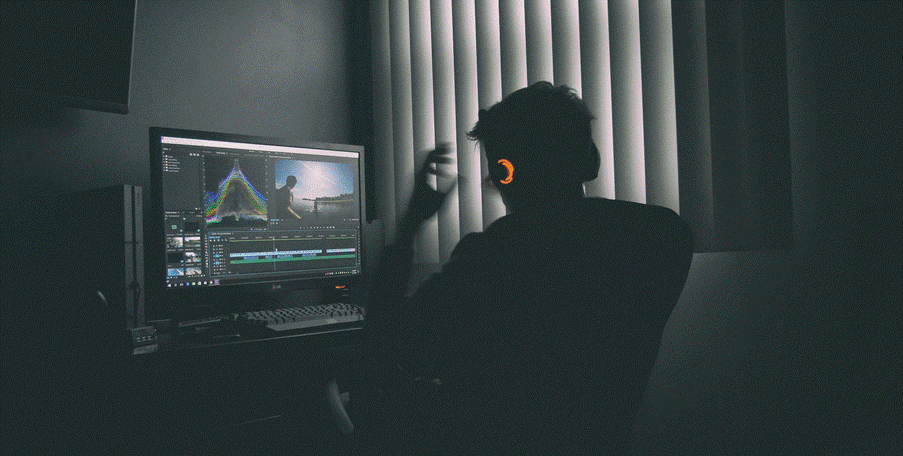
Long hours in front of a monitor slowly drain focus even when work looks simple from the outside. Tabs keep multiplying, chats keep popping up and the mind keeps jumping between tasks until everything feels noisy and sticky. At some point coffee stops helping and what really needs a reset is attention itself.
During those overloaded stretches, many people drift into random scrolling or constant refreshing of stats and news. Some even jump from work tabs to a page with live scores or a platform that shows cricket live line online and stay there longer than planned. A different option exists though – short, gentle mini games that give the brain a real pause instead of more chaos.
Why short playful breaks calm a tired mind
The human brain does not enjoy running in the same gear for hours. Deep focus on spreadsheets, code or documents uses one set of circuits again and again. Mental fatigue then appears not only as sleepiness but also as irritability, mistakes and a strange resistance to simple tasks. A small playful break interrupts this loop.
Mini games that do not demand heavy strategy or fast reaction act like stretching for attention. The mind switches to light pattern recognition, color, rhythm or simple wordplay. Muscles relax, breathing slows down and the nervous system receives a message that danger is not present, only mild entertainment. After that reset, returning to work feels less like pushing a heavy door.
Mini games that actually feel restorative
Low pressure formats for real mental rest
- simple pattern puzzles that ask for matching shapes, colors or tiles without strict time pressure
- calm word games that allow slow searching for connections, not aggressive competition with other players
- soft rhythm or music games that invite gentle tapping in time with sound instead of complex combos
- cozy building or garden mini sims that focus on arranging spaces and watching small animations
- breathing or focus apps that use game like visuals to guide slow inhales and exhales
The key is emotional tone. A relaxing mini game does not punish mistakes harshly and does not push for endless progression. The experience feels more like doodling on paper than like a high stakes tournament. When the game ends, the mind should feel lighter, not wired.
How long a break needs to be to help
One of the biggest fears around breaks is the fear of losing control. Many people know the experience of opening a small game or social feed “for two minutes” and then looking up half an hour later in shock. For that reason, structure matters more than raw willpower.
Research on attention suggests that even three to ten minutes of true rest can make a difference. A practical approach is to decide the time before opening any game and set an alarm or in app timer. The break then becomes a conscious choice, not an escape. When the alarm rings, the game ends, the screen closes and the body stretches before work resumes.
Short breaks also work best when combined with small physical resets. Standing up, rolling shoulders, looking out of a window or drinking water reminds the body that it exists beyond the chair. Mini games do the mental part, movement does the physical part and together both pieces fight burnout more effectively than either alone.
Rules that keep mini games from turning into another problem
Boundaries that protect focus and enjoyment
- choosing games without endless notifications, loot boxes or pressure to log in every hour
- keeping mini games off the main work desktop so opening them requires a deliberate step
- avoiding competitive leaderboards during work days and saving those for free time
- using airplane mode or offline options when possible to reduce temptation and distractions
- deleting games that repeatedly steal more time than planned, no matter how attractive the design
These simple rules help mini games remain tools, not traps. The aim is to step away from demanding tasks just long enough for energy to rise again, then close the game without regret. When that pattern repeats regularly, the mind learns to trust that a break will arrive before complete exhaustion.
Turning micro breaks into a sustainable routine
Sustainable habits grow best from small, predictable actions. Setting one or two planned mini game breaks into a schedule works better than randomly clicking whenever frustration hits. A short session mid morning and another one in the late afternoon often fit naturally into office and home routines.
Over time, a clear difference appears between days with conscious breaks and days without them. Headaches become rarer, shoulders feel less tight and concentration returns more quickly after interruptions. Work quality benefits, but so does mood. A computer no longer feels like a machine that demands endless output. It becomes part of a rhythm that includes play, rest and movement.
In the end, mini games are not childish distractions. When chosen and used with care, these small worlds act as safe waiting rooms for the brain, places where pressure loosens and creativity has space to breathe again. A few minutes spent guiding a simple puzzle or calm rhythm can protect hours of focused work later, and that trade is often exactly what saves a mind from slow, silent burnout at the screen.
