


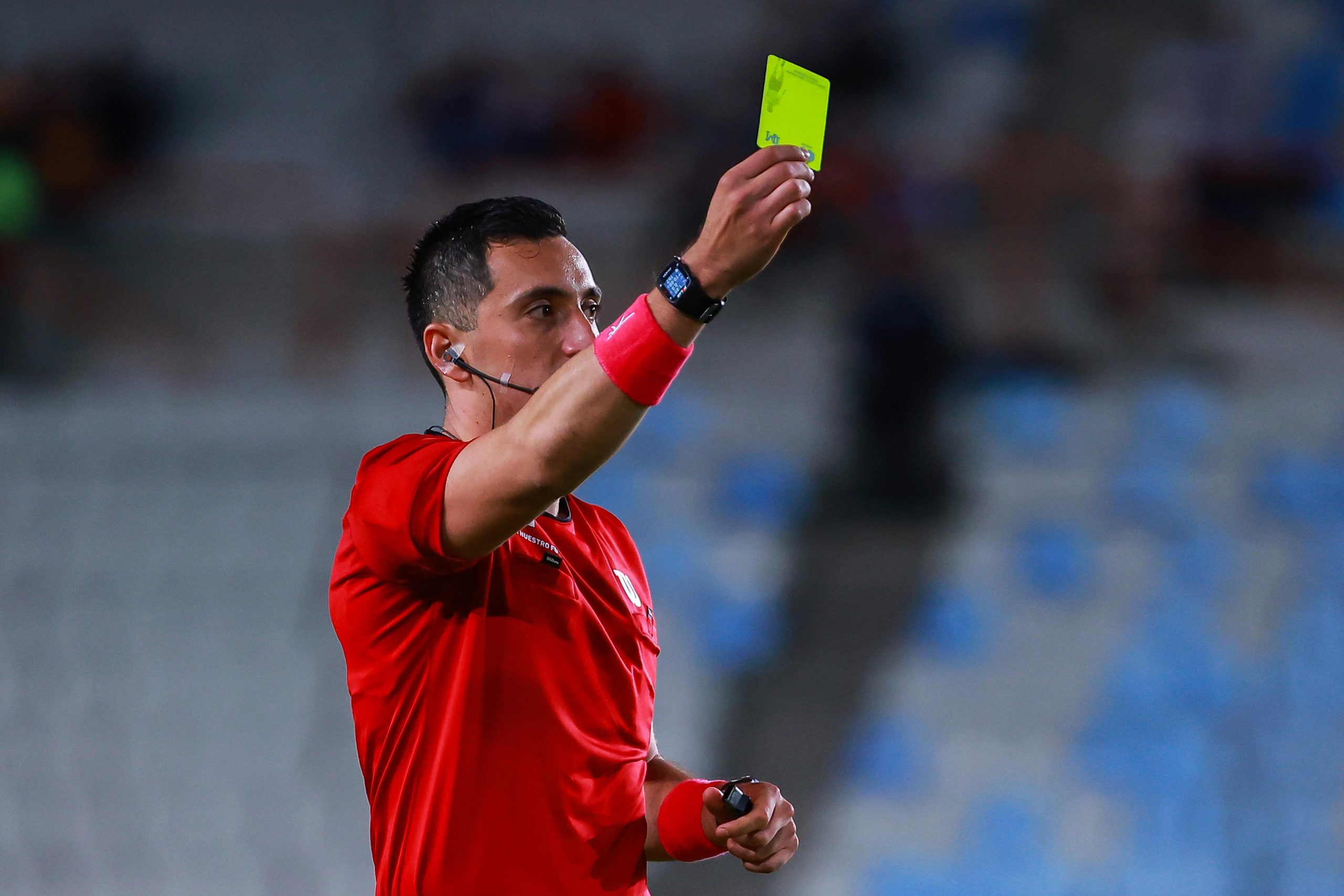
Relegation battles in Thai League 1 during 2024/2025 concentrate stress, physicality, and tactical desperation into a small cluster of fixtures where disciplinary events and penalties occur more frequently than in routine mid‑table games. For anyone assessing card and penalty markets, the key is to understand how survival pressure changes defensive decision‑making, referee interpretation, and match state, rather than treating all league fixtures as statistically identical.
Why relegation pressure naturally drives up card risk
Teams fighting relegation often defend closer to their own box and depend on last‑ditch interventions to prevent high‑value chances, which mechanically increases the likelihood of fouls in dangerous areas and thus yellow cards. As the season progresses and the table hardens, those same sides face situations where a single mistake can decide survival, so defenders are more willing to pull shirts, commit tactical fouls, or stop counters even when already booked, raising the probability of second yellow and straight red cards. The cumulative effect is that matches involving multiple bottom‑four sides or a clear underdog in a relegation fight tend to generate higher disciplinary totals than fixtures where both teams occupy safe positions.
How defensive styles of relegation candidates shape foul patterns
Relegation‑threatened clubs in Thai League 1 are often structurally weaker and spend more minutes per match out of possession, which creates more opportunities for fouls simply through volume of defensive actions. Sides that defend in a deep block and invite pressure around their own penalty area expose themselves to more one‑on‑one situations where mistimed tackles or desperate blocks result in cards and sometimes penalties. Conversely, a struggling team that presses high but lacks coordination may concede a stream of tactical fouls in midfield as individual players try to compensate, which accumulates yellows but may actually reduce clean penalty chances if most contact happens far from the box.
Mechanisms that turn fouls into yellow, red, or penalty decisions
The transition from ordinary foul to card or penalty in relegation matches follows identifiable mechanisms shaped by context and referee assessment. Persistent infringement—repeated small fouls by the same player or cluster of players—pushes referees toward formal sanctions, especially if they feel the game’s control is slipping, so teams that constantly foul to break rhythm face compounded card risk. In addition, last‑man or “denial of obvious goal‑scoring opportunity” tackles around the box in must‑win games are more likely when defenders misjudge lines under pressure, creating situations that simultaneously generate penalties and red cards rather than just simple free kicks.
Why the timing of relegation clashes in the calendar matters for discipline
The 2024/2025 schedule spreads relegation battles across the year, but their disciplinary profile intensifies in the final third of the season as the table clarifies and point targets become concrete. Early in the campaign, a bottom‑half fixture still allows tactical experimentation and long‑term thinking, so coaches may prefer structure over reckless chasing, restraining some of the worst disciplinary excesses. In the run‑in, however, matches where clubs sit within a few points of the drop zone become de facto finals, and players who would normally avoid risky challenges may commit them anyway because the immediate cost of conceding a set piece feels smaller than the perceived disaster of allowing a clear chance.
The calendar also shapes referee psychology, because officials are aware when a fixture carries survival implications and may adjust their threshold for early bookings. In high‑tension dates near the end of the season, some referees favor quick yellows to assert control and prevent escalation, which front‑loads card counts and increases the chance that subsequent incidents trigger second bookings or mass confrontations. For discipline bets, recognising that late‑season relegation clashes are embedded in this context explains why similar teams can produce different card and penalty profiles in October versus April.
Comparing typical relegation games to ordinary league fixtures
Across Thai League T1, disciplinary data highlight that certain teams accumulate more cards per match than others, and many of these sides spend large portions of the season near the bottom positions. However, the pattern within relegation six‑pointers differs from the average league match, because both sides entering with survival at stake amplify risk‑taking and emotional volatility compared to a game where only one team fights the drop. The combination of evenly matched, technically limited squads and compressed space leads to prolonged physical duels, second balls, and transitions that generate more marginal challenges and potential penalty incidents than a typical mid‑table contest.
A simple way to frame this difference is to contrast three broad match types that recur across a season and see how they translate into discipline expectations. Each category carries its own baseline for fouls, cards, and penalties, and treating them as distinct scenarios helps avoid copying assumptions from one environment into another.
| Match type | Typical pressure level | Foul and card texture | Penalty likelihood trend |
| Mid-table vs mid-table | Moderate, long-term focus on points total. | Tactical fouls distributed across the pitch, fewer last-ditch tackles. | Close to league average; most contact occurs outside the box. |
| Top side vs relegation team | Asymmetric, with underdog under intense defensive stress. | Underdog commits many fouls near its area; higher yellow totals for one side. | Elevated penalty risk against the struggling team due to pressure in the box. |
| Relegation six-pointer | Extreme mutual pressure, survival framed as immediate. | Both sides foul heavily, disputes and confrontations more frequent, higher red risk. | Penalty chances rise when chaos in the area and last-ditch tackling overlap. |
By mapping an upcoming game onto one of these categories before considering odds, you clarify whether high card or penalty expectations are grounded in structural conditions or simply in the label “big game”. That distinction matters because markets may already price generic intensity into lines, while only specific match types—particularly relegation six‑pointers with certain tactical styles—justify the most aggressive positions on discipline totals.
How bookmakers translate discipline trends into card and penalty markets
Bookmakers serving Thai League 1 increasingly publish Asian card lines, player booking props, and penalty‑awarded markets, and they adjust those prices using disciplinary stats by team and league context. Teams that appear high on league tables for cards per match or “over X cards” outcomes naturally attract higher starting lines, especially when playing another side with similar profiles, which compresses the potential value of blindly backing overs. At the same time, odds for penalties reflect both historical frequency and match‑specific expectations about attacking pressure, so games where a dominant side faces a relegation candidate often show shorter prices on “penalty awarded” than balanced contests.
For a bettor, this means that simply recognising that a match is a relegation battle is not enough; the question becomes whether the posted line already anticipates elevated intensity. If the market has pushed a total card line very high based on reputation, the edge may shift toward unders when a specific referee, tactical matchup, or stage of the season suggests a more controlled contest than the narrative implies. Similarly, penalty‑related bets need to weigh whether the expected pattern of attacks supports a meaningful deviation from league average or whether pricing has already absorbed that expectation.
Integrating UFABET into a structured view of card and penalty risk
There are evenings when a Thai League relegation clash naturally draws attention from bettors interested in discipline markets, especially as headlines emphasise “do or die” stakes and fan discussions revolve around tension and tempers. In that context, some users will decide to express their pre‑existing analysis through ufabet, using it as an online betting site where they can implement positions on total cards, individual bookings, or penalty outcomes after they have already assessed team styles, referee tendencies, and table pressure. The key to keeping this relationship rational is to arrive with a clear risk framework—stake sizes, preferred ranges for card totals, scenarios that justify penalty bets—so that the variety of available markets does not tempt you into unplanned exposure that is justified only by the drama surrounding relegation, not by structured thinking.
Where the “more cards and penalties in relegation games” idea fails
The widespread belief that every relegation match automatically produces a flurry of bookings and penalties fails for several reasons. First, some coaches in survival battles deliberately slow the game, emphasise positional discipline, and drill their players to avoid unnecessary fouls, resulting in tense but surprisingly clean contests where caution beats chaos. Second, certain referees adopt a “let them play” approach in high‑stakes fixtures, raising their threshold for cards to avoid deciding the match, which can suppress totals even when contact and protests are frequent.
Sample size also undercuts the assumption of inevitability, because relegation six‑pointers represent a small subset of the calendar and can be skewed by a handful of extreme cases—a notorious match with multiple reds and penalties may weigh heavily on memory while quieter games are forgotten. Injuries, suspensions, or tactical shifts late in the season can further alter a team’s foul profile, especially if a more mobile backline or a deeper block changes where and how challenges occur. If these nuances are ignored, the narrative of “automatic cards and penalties” leads to overbetting inflated lines that no longer reflect the actual risk.
Keeping non-football gambling separate from discipline-focused betting
Operators that offer Thai League markets often place other products—slots, table games, and live dealers—alongside sports, and the emotional spikes of relegation battles can make those options feel like immediate outlets after a volatile card or penalty result. A late red card or contentious penalty that swings a bet can trigger frustration, and in that moment, moving into other gambling areas turns a football‑specific misread into broader exposure across games where the house edge is built into every spin or hand. For a disciplined bettor, it is important to treat the bankroll allocated to Thai League discipline markets as ring‑fenced and to regard any decision to use a separate casino online resource as an entirely independent choice that must be justified calmly, not as an extension of emotions generated by a relegation match.
Summary
Relegation battles in Thai League 2024/2025 tend to raise the probability of yellow cards, red cards, and penalties because survival pressure pushes defenders into riskier challenges near their own area and heightens the emotional volatility of otherwise ordinary fouls. That said, not all such fixtures behave the same: tactical approaches, referee tendencies, stage of the season, and market pricing can either amplify or mute the expected spike in disciplinary events, making careful scenario‑by‑scenario analysis essential before committing to overs on cards or penalties. When you keep this structure in mind, maintain clear staking rules, and separate football bets from other forms of gambling, relegation clashes become specific problem‑solving opportunities rather than emotional triggers that push you into undisciplined exposure in high‑variance markets.
