


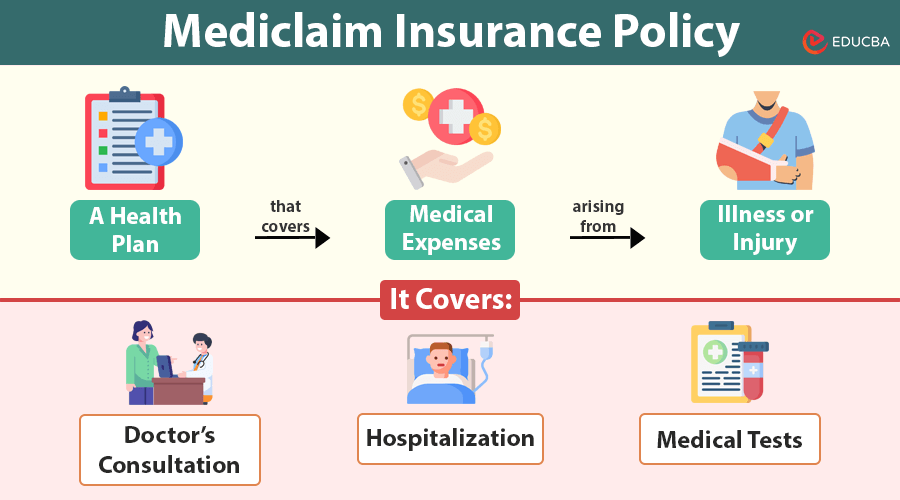
Just as Android devices are updated to reflect evolving trends, a health insurance plan needs to be updated regularly as per your current requirements. Thus, you should review your mediclaim policy details to ensure that you will stay protected from unexpected medical expenses.
Learn more about the importance of reviewing health insurance policies to avoid any type of problems during medical emergencies.
How Regular Reviewing of Health Insurance Policies Saves Your Money and Stress?
There are certain reasons why it is essential to review your health insurance policies frequently. Here, we will discuss them in detail:
Health insurance is not a one-time purchase that can be set and forgotten. The coverage that made sense when you first enrolled — the sum insured level, the hospital network, the exclusion list — may no longer match your situation two or three years later. Medical inflation is running at a significant rate annually, which means a fixed sum insured today covers meaningfully less hospitalisation cost than it did when the policy was first taken. Add to that any life changes — a new dependent, a relocation to a city with different hospital costs, or a chronic condition newly diagnosed — and the gap between the policy you hold and the coverage you actually need can become substantial. A routine annual review is the habit that keeps health insurance aligned with your real circumstances rather than the circumstances that existed when you signed up.
Avoiding Claim Rejections
You need to check the updates of your purchased insurance policy to avoid claim rejections through these steps:
- Prevent Unpleasant Surprises: The worst time to discover a policy exclusion or a waiting period is during a medical emergency. An annual review helps you spot and address gaps before they become a problem.
- Ensure Accurate Information: Minimal errors or non-disclosure of pre-existing conditions can lead to claim denials. Fill out the form accurately and review it annually to prevent costly disputes later.
Managing Out-of-Pocket Expenses
- Understanding Sub-Limits: Many policies place a cap on specific costs like room rent, even if your total sum insured is high. A proper review helps you understand these sub-limits and opt for a policy with fewer restrictions.
- Checking Co-Payment and Deductibles: The policy document can reveal a mandatory co-payment or deductible. Knowing these details prevents unexpected financial burdens during a claim.
- Upgrading Coverage: Medical costs are increasing due to medical inflation. The coverage that was sufficient a few years ago may no longer be sufficient. Review if you need a top-up plan to avoid dipping into your savings.
Updating Coverage for Life Changes
You can follow these steps to update your coverage as per your lifestyle changes:
Adapting to Major Life Events
Life events like marriage, childbirth, or getting a new job can trigger a policy review. This ensures all new dependents are covered and you have the right type of policy, such as a family floater plan.
Childbirth is one of the most consequential triggers for a policy review, and Maternity Insurance deserves specific attention in this context. Most standard health policies do not cover maternity expenses by default — it is either a separate plan or a rider that must be added, and critically, it carries a waiting period of two to four years before benefits activate. This means that if you are planning to start a family, the time to review your policy and add Maternity Insurance is well before conception, not after a positive test. The coverage typically includes normal and caesarean delivery expenses, pre-natal consultations, and in many plans, newborn hospitalisation from day one. Reviewing your current policy to check whether maternity cover is already included, what the waiting period status is, and whether the newborn is automatically covered without a separate enrolment step are the three specific things to confirm during this life event review.
Covering New Conditions
As you grow older, your health needs change. Thus, you should review your mediclaim policy details to ensure that your plan covers specific lifestyle diseases or new conditions that may be a concern.
Maximising Your Policy Benefits
- Earning a No-Claim Bonus (NCB): Many insurers reward claim-free years with a bonus that either increases your sum insured or offers a discount on your renewal premium. Regularly reviewing your policy ensures you do not miss out on these benefits.
- Taking Advantage of New Features: The insurance market is constantly evolving with better products and features, like wellness benefits, OPD covers, and alternative treatment options. A review helps you find and switch to a more comprehensive plan.
What You Need to Check During Your Review of Mediclaim Policy Details?
- Sum Insured: Assess your sum insured to make sure it is adequate for rising medical costs.
- Hospital Network: Verify the cashless hospital network to ensure your preferred hospitals are included.
- Inclusions and Exclusions: Check for updated policy terms and potential gaps in your coverage.
- Family Details: Update your family details to reflect any life changes. This section of your annual review is also the right moment to evaluate if it is time to upgrade to a comprehensive family health insurance plan. A family health insurance plan covers every enrolled member under a shared sum insured and simplifies premium management to a single annual payment. If your household has grown — a new spouse, child, or ageing parent you now support — the economics and coverage logic of a family health insurance plan typically improve as more people are brought under the same umbrella. Check the age limits on dependent coverage, confirm the sum insured is sized appropriately, and verify that a restoration benefit is included so one large claim does not wipe out available cover for everyone else in the same year.
- Add-ons: Evaluate new add-ons, like critical illness or maternity insurance cover, that may be beneficial.
Final Words
Reviewing your mediclaim policy details is not just a passive, but a routine task. It is an active strategy for your financial and personal well-being. You need to assess your updated plan to prevent unpleasant surprises and ensure coverage remains a reliable safety net.
A proactive approach to updating your health insurance policy protects your savings, reduces financial stress, and provides invaluable peace of mind.
Reference Links
