


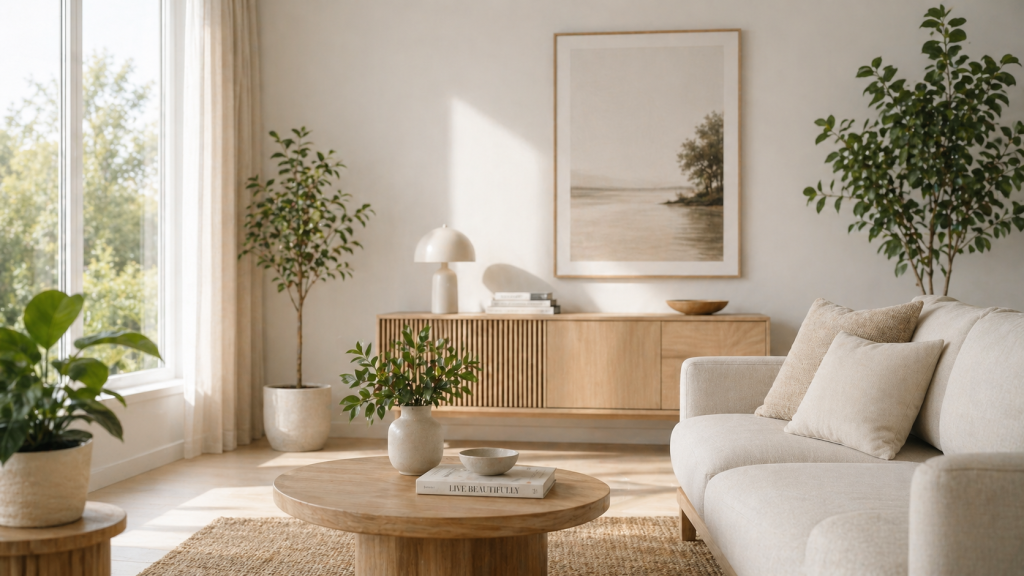
Minimalism has evolved far beyond the idea of simply removing clutter from physical spaces. Today, it represents a complete lifestyle philosophy centered around intention, clarity, and meaningful living. People are no longer applying minimalism only to homes or possessions; they are extending it into digital habits, emotional well-being, and even niche product choices such as highly specialized items like a flat chastity cage, often discussed in broader conversations about personal discipline and lifestyle preferences.
At its core, minimalism is not about living with less for the sake of it, it is about making space for more of what truly matters. In a world filled with constant noise, distractions, and consumer pressure, minimalism offers a refreshing way to simplify life and regain control over attention, time, and energy.
Understanding Modern Minimalism as a Philosophy of Intentional Living and Awareness
Modern minimalism is not just a design trend or aesthetic preference—it is a mindset. It focuses on intentional choices rather than passive consumption. Every possession, habit, or commitment is evaluated based on whether it adds value to life.
The Shift From Physical Decluttering to Holistic Life Simplification and Mental Clarity
Traditional minimalism often focused on cleaning and organizing physical spaces. However, modern minimalism expands this concept into a broader lifestyle approach.
It now includes:
- Mental clarity and reduced overthinking
- Digital decluttering and screen time control
- Emotional balance and stress reduction
- Intentional decision-making in daily life
This shift shows that clutter is not only physical—it is also mental and emotional.
How Minimalism Encourages Intentional Decision-Making in Everyday Life Choices
Minimalism encourages individuals to pause before making decisions. Instead of acting impulsively, people ask whether something truly adds value.
This applies to:
- Purchasing habits
- Time management
- Relationships
- Daily routines
Over time, this mindset leads to more thoughtful and purposeful living.
The Psychological Benefits of Minimalism in Reducing Stress and Enhancing Focus
One of the most powerful effects of minimalism is its impact on mental health. A clutter-free environment often leads to a clutter-free mind.
How Reducing Physical and Digital Clutter Improves Mental Clarity and Focus
Clutter—whether physical or digital—creates constant mental distractions. A messy environment signals unfinished tasks to the brain, which increases stress levels.
By reducing clutter:
- Focus improves naturally
- Decision fatigue decreases
- Mental energy is preserved
This allows individuals to concentrate more effectively on meaningful tasks.
The Connection Between Minimalist Living and Lower Stress and Anxiety Levels
A simplified lifestyle reduces external pressure and internal overwhelm. When there are fewer things to manage, the mind feels calmer and more in control.
Minimalism helps reduce:
- Overcommitment
- Information overload
- Emotional exhaustion
As a result, stress levels naturally decline.
Why Minimalism Supports Better Productivity and Long-Term Goal Achievement
With fewer distractions and clearer priorities, productivity increases significantly. Minimalism helps individuals focus on high-impact activities instead of low-value tasks.
This leads to:
- Better time management
- Consistent progress toward goals
- Improved work efficiency
Minimalism in Digital Life and Modern Technology Usage Habits
Digital minimalism has become a crucial part of modern life as technology continues to dominate daily routines.
Reducing Digital Overload by Managing Screen Time and Online Consumption Patterns
Excessive screen time can lead to mental fatigue and reduced attention span. Minimalism encourages intentional use of technology.
This includes:
- Limiting social media usage
- Reducing unnecessary app notifications
- Avoiding endless scrolling habits
Creating a Clean Digital Environment for Better Focus and Mental Organization
Just like physical clutter, digital clutter affects mental clarity. Organizing files, emails, and apps improves productivity and reduces stress.
Simple steps include:
- Cleaning inbox regularly
- Removing unused apps
- Organizing digital folders
Minimalism in Lifestyle Design and Personal Habit Formation for Long-Term Growth
Minimalism is not only about spaces—it also shapes habits and lifestyle choices.
Building Simple Daily Routines That Improve Discipline and Reduce Decision Fatigue
A structured routine eliminates unnecessary decision-making. When daily actions become automatic, mental energy is preserved for important tasks.
Examples include:
- Fixed morning routines
- Consistent sleep schedules
- Planned work sessions
How Minimalism Encourages Focus on Quality Over Quantity in Life Decisions
Instead of doing more, minimalism emphasizes doing better. This applies to:
- Relationships
- Work commitments
- Personal goals
Quality becomes more important than quantity.
The Role of Minimalism in Consumer Behavior and Product Design Trends
Minimalism is also influencing how products are designed and consumed in modern markets.
The Shift Toward Simple, Functional, and User-Centered Product Design Approaches
Modern product design focuses on simplicity and usability. Unnecessary complexity is removed to enhance user experience.
This includes:
- Clean interfaces
- Ergonomic structures
- Easy functionality
How Minimalist Thinking Influences Modern Consumer Purchasing Decisions
Consumers are now more selective and intentional. They prefer:
- Fewer but higher-quality products
- Long-lasting items over disposable goods
- Functional design over excess features
Challenges of Adopting a Minimalist Lifestyle in a Consumer-Driven World
Despite its benefits, minimalism comes with challenges.
Social Pressure and Cultural Expectations Around Material Ownership and Lifestyle Choices
Many societies associate success with material possessions, making minimalism difficult to adopt.
Overcoming Emotional Attachment to Possessions and Past Lifestyle Habits
Letting go of items can be emotionally challenging because they are often tied to memories and identity.
Long-Term Benefits of Minimalism for Personal Growth and Life Satisfaction
Minimalism leads to long-term improvements in multiple areas of life.
Greater Emotional Balance and Improved Mental Well-Being Over Time
A simplified lifestyle reduces stress and creates emotional stability.
Increased Freedom and Flexibility in Personal and Professional Life Decisions
With fewer obligations and possessions, individuals experience greater freedom in life choices.
Conclusion
Minimalism is more than a lifestyle trend—it is a powerful philosophy that helps individuals live with intention, clarity, and purpose. By reducing clutter in both physical and digital spaces, people can improve focus, reduce stress, and create more meaningful experiences.
In a world driven by excess and constant stimulation, minimalism offers a path toward balance and simplicity. It encourages individuals to focus not on having more, but on living better.
Ultimately, minimalism is about creating space—for clarity, for growth, and for what truly matters in life.
