


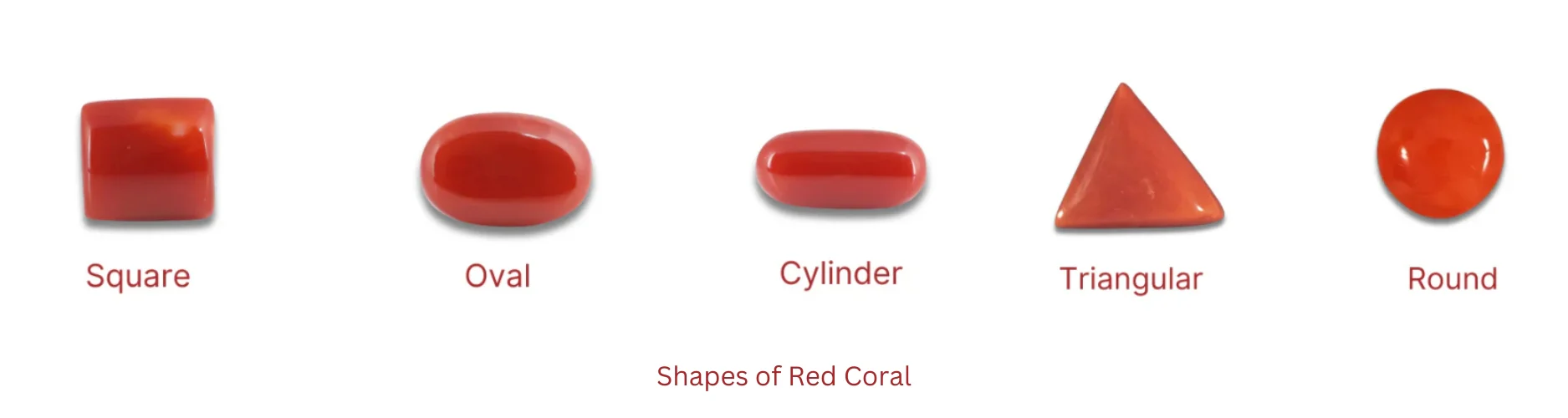
Astrological gemstones continue holding a strong place within spiritual traditions, especially among individuals seeking symbolic connections with planetary influences. Red coral remains one of the most discussed stones in this category because of its association with Mars, along with its striking organic appearance formed beneath ocean waters rather than inside mineral-rich rock formations. Its visual intensity alone often attracts attention long before buyers begin exploring astrological relevance.
Within gemstone consultations, many individuals look beyond decoration and focus instead on authenticity, sourcing, certification, plus traditional recommendations connected with planetary alignment. Surface texture, untreated quality, and natural coloration all influence purchasing decisions significantly. While exploring spiritual gemstone options connected with Mars-related traditions, buyers frequently search for moonga gemstone selections that combine certified authenticity with practical wearability for rings or pendants.
Why Red Coral Holds Importance in Vedic Traditions
Mars symbolizes energy, determination, action, alongside confidence within Vedic astrology. Because red coral is traditionally linked with this planetary influence, the gemstone often appears in consultations related to motivation, leadership qualities, plus personal discipline. Many people therefore approach coral with spiritual intention rather than purely ornamental interest.
At the same time, astrology-based gemstone selection rarely follows a universal formula. Practitioners commonly evaluate horoscope combinations, planetary positions, along with compatibility factors before suggesting coral for long-term use. This individualized approach explains why proper consultation remains important before purchase decisions.
The Organic Origin Makes Coral Different From Other Stones
Unlike sapphires or rubies formed through geological pressure, red coral develops organically through marine organisms beneath ocean environments. That distinction affects both appearance and durability.
Because coral has a softer structure compared with many mineral gemstones, careful handling becomes important. Exposure to harsh chemicals, excessive heat, alongside abrasive materials may gradually affect the surface quality over time.
Several qualities usually indicate stronger gemstone standards:
- Consistent red coloration without patchy dye concentration
- Smooth surface texture with limited visible imperfections
- Certification confirming natural and untreated origin
Italian coral and Japanese coral varieties often receive attention within gemstone markets because buyers associate them with refined color depth and stronger overall appearance.
How Experienced Buyers Evaluate Coral Quality
Purchasing coral involves more than choosing the brightest available stone. Experienced buyers typically examine treatment history, origin, certification standards, plus structural consistency before selecting pieces intended for personal or astrological use.
Surface Finish Reveals Important Details
Natural coral usually carries a smooth texture with balanced shine. Artificial coatings or excessive polish may indicate treatment processes designed to imitate higher-quality material.
Certification Provides Better Transparency
Gemological certificates help confirm whether coral remains untreated and naturally sourced. Documentation also creates stronger confidence during higher-value purchases.
Origin Influences Appearance and Demand
Italian coral often attracts buyers searching for deeper red tones, while Japanese varieties remain popular for their refined visual consistency and polished appearance.
Cabochon Shapes Remain Widely Preferred
Rounded cabochon cuts preserve the natural surface character of coral more effectively than heavily faceted designs. Many astrology-focused buyers prefer these smoother shapes for rings and pendants.
Inside spiritual gemstone purchases, untreated stones generally receive stronger preference because buyers often value natural integrity alongside astrological traditions.
Traditional Wearing Practices Associated With Coral
Astrological gemstone traditions frequently include guidance regarding metals, timing, alongside wearing rituals connected with planetary symbolism. Coral stones therefore appear in jewelry designed specifically for spiritual use rather than only decorative styling.
Gold and Copper Are Commonly Recommended
Mars-related traditions often associate coral with gold or copper settings. Rings and pendants mounted in these metals remain widely preferred among astrology practitioners.
Tuesday Is Frequently Linked With Wearing Rituals
Many traditions recommend wearing coral on Tuesday mornings because of its connection with Mars. Certain buyers also combine gemstone use with mantra recitation or purification practices.
Ring Finger Placement Appears Often in Astrology
Astrological consultations sometimes recommend wearing coral on the ring finger of the working hand, although recommendations can vary according to horoscope analysis.
Proper Storage Preserves Surface Quality
Coral should remain separated from harder gemstones because scratching may occur during storage. Fabric-lined containers generally help preserve polish and smoothness over time.
Why Many Buyers Continue Exploring Coral Gemstones
Interest in coral gemstones extends beyond astrology alone. Some individuals appreciate the bold red appearance within traditional jewelry designs, while others connect more strongly with symbolic meanings related to courage, vitality, alongside determination.
Within spiritual product discussions, coral also appears alongside rudraksha combinations connected with Mars-related traditions. Buyers often look for authenticity first because imitation coral remains widely available through unverified marketplaces.
What draws many people toward coral initially? Presence. The stone stands out immediately because of its rich organic color and smooth visual texture.
In the middle of gemstone conversations, moonga gemstone selections frequently receive attention from buyers looking for certified pieces aligned with spiritual practices, daily wear comfort, plus traditional astrological recommendations. Certification and sourcing transparency therefore become major deciding factors rather than decorative appearance alone.
Mistakes Buyers Often Make During Purchase Decisions
Many first-time buyers focus entirely on pricing while overlooking authenticity indicators. That approach often leads to disappointment later when stones display fading color, uneven polish, or artificial treatment signs after limited use.
Synthetic coral products remain common across online marketplaces. Some sellers use dyed materials designed to imitate genuine coral without maintaining natural composition or astrological relevance. Certification therefore matters significantly during purchase evaluation.
Several purchasing mistakes appear repeatedly:
- Selecting stones without authenticity documentation
- Ignoring visible treatment or dye concentration marks
- Choosing appearance over certified sourcing standards
Some buyers also overlook comfort and sizing during jewelry selection. Oversized coral rings may appear attractive initially although they can become impractical for regular use.
Final Thoughts
Could authentic coral become more meaningful than a traditional jewelry piece? For many spiritually inclined buyers, that possibility remains central to the entire selection process. Natural coral continues attracting attention because of its connection with Mars traditions, distinctive organic origin, plus strong symbolic associations tied to vitality and confidence. Through certified gemstone collections, energized spiritual products, Vedic ritual practices, alongside authenticity-focused guidance, RudraTree continues serving individuals looking for trusted spiritual gemstone options with greater clarity and confidence. Buyers hoping to buy red coral gemstone in Bangalore often prioritize certification, untreated quality, and consultation-backed recommendations before making long-term astrological purchases.
