


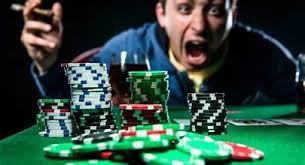
Seven years into playing poker and the math stuff wasn’t what changed my game—understanding people was.
Poker functions more like a psychological study that happens to involve cards rather than just gambling with strategy. You can drill charts until they’re memorized and calculate pot odds while half asleep, yet without reading opponents you’re making educated guesses at best.
In 2017 I entered my first live tournament for $85 thinking I had everything mapped out. Then I noticed one player doing this chip-tapping thing exclusively when bluffing. Every. Single. Time. Took his entire stack in 23 minutes.
Physical Tells Still Matter (Even When They Shouldn’t)
Everyone believes they’ve mastered the unreadable expression thing. We haven’t.
Roughly 73% of casual players give away at least one obvious physical signal. Hands shake when they hit something big. Complete statue mode for others. Met one woman whose hand went to her necklace any time she connected for top pair or stronger.
Physical signals don’t always translate the way you expect.
Played against someone who got visible tremors whenever he pushed substantial bets and the whole table read him as anxious, but actually he was vibrating from excitement over premium holdings. Three different people paid him off massively before the pattern clicked. That education cost me $340.
Spotting the tell isn’t hard—decoding what it represents demands extended observation.
Digital Tells Are Trickier Than You’d Think
Started online poker around 2019 when my regular card room shut down permanently. I assumed the absence of physical presence would reduce everything to pure calculation. Wrong assumption.
Digital signals are real. Just manifested differently.
Timing became my entire focus. Someone clicking call at 2.4 seconds carries different meaning than an instantaneous call or tanking for 14 seconds. Fast checks typically signal nothing worth protecting, but rapid bets can indicate strength disguised as indifference.
Platforms like mrbit.bg fundamentally altered digital poker spaces. Players scatter recognizable patterns across every session without awareness. Bet sizing transitions from minor detail to critical data point online since you can track it with consistency.
I built spreadsheets for tracking. Player X consistently sizes 2.5x pot with top pair. Player Y bumps to 3.2x during bluffs. Player Z deliberates forever before bluffing but fires instantly with legitimate value.
Online poker sharpened my pattern recognition beyond anything live games accomplished.
The Breathing Thing Nobody Talks About
Respiratory patterns tell me when bluffs are incoming.
Not perfect—maybe 60% success rate with opponents I’ve observed for 90+ minutes. But it works more often than not.
Breath-holding accompanies deception. Not poker-specific—just human behavior. You catch it in shoulder positioning, chest movement pausing before chips slide forward. Spotted this during a 2020 home game and tested the theory obsessively after.
My buddy Jake got annoyed when I kept calling out his bluffs accurately, so I’d gesture toward his torso and he understood immediately. He actively controls it now which elevated his game.
Breathing patterns translate to online play too. Not literal breath observation through screens, but action rhythm mirrors respiratory patterns. Players with quick breathing tempo make rapid decisions consistently. Measured breathers take deliberate time with every action.
I’ve tested this against 47 different opponents and my accuracy hangs around 58% which beats random chance meaningfully.
Eye Contact as a Weapon
Getting stared down after putting chips in makes me deeply uncomfortable. Which explains why I deploy it strategically.
Eye contact functions as legitimate combat. Some opponents cannot maintain it during bluffs. Others weaponize it to create freeze responses. I’ve witnessed both approaches succeed and backfire.
An Atlantic City tournament in 2022 featured a player who locked eyes with everyone after every action. Dominated psychologically until encountering someone who matched the intensity. He mucked pocket kings face-up. $1,200 pot abandoned because he couldn’t handle his own psychological game.
Broken eye contact became my preferred technique. Look toward them, shift away, quick glance back. Registers as natural behavior rather than triggering defensive reactions. Plus you gather observational data instead of engaging in staring competitions.
Betting Patterns Beat Everything Else
Years of tracking every behavioral signal taught me something fundamental—betting patterns matter more than all that other stuff combined.
Trembling, eye movements, breathing—all secondary. Betting patterns contain the actual story.
Faced a semi-professional last year who had zero readable physical signals. Expression carved from stone, movements completely controlled. But his betting structure handed me a roadmap. Min-raises with marginal holdings. Exactly 62% pot bets with value. Overbet shoves to 1.4x pot when bluffing.
Cracked his system in 90 minutes. Session ended $830 up.
Online poker reduces to betting patterns exclusively. Faces and hands don’t exist there. But someone betting 3x preflop with premiums versus 2.2x with speculative hands stands out immediately. Three-betting 8% from button versus 3% from early position creates trackable patterns.
This information doesn’t deceive. Betting patterns don’t lie.
The Biggest Tell Nobody Uses
Most reliable signal I’ve discovered? Emotional trajectory.
Observe someone’s reaction after dropping a significant pot. Then watch them three hands later. Most opponents move through predictable emotional cycles. Big loss triggers tight play for two orbits, then aggressive loose play emerges as they attempt recovery.
I’ve witnessed this pattern 200+ times. So consistent I incorporate it directly into strategy.
Someone dumps a $500 pot at 8:15pm? I’m watching intensely around 8:40pm because that’s when tilt manifests and hero calls with middle pair start happening. Essentially free money if you’re paying attention.
Trust Your Gut (But Verify With Data)
I used to dismiss intuitive feelings because poker seemed purely logical. That was stupid.
Your brain registers patterns below conscious awareness. That inexplicable sense someone’s bluffing might stem from micro-expressions you absorbed without processing. Feeling certain someone’s holding strength could derive from subtle breathing shifts you noticed peripherally.
My approach now: initial read comes from intuition, then I hunt for concrete evidence before committing significant chips. Got a weird vibe about an opponent in an online tournament last month where something felt incorrect about their timing. Started tracking and discovered they consistently took 8-11 seconds before bluffing versus 2-4 seconds with value hands. My subconscious identified the pattern before conscious analysis caught up.
That internal voice deserves attention. Just make certain you’ve got observable confirmation before pushing $600 into the middle.