


The global stage is set for an unprecedented spectacle in the history of international football. As the countdown continues, excitement is building for the world cup 2026, a tournament that promises to redefine the scale and reach of the beautiful game. For the first time ever, the hosting duties will be shared among three nations: the United States, Canada, and Mexico. This North American collaboration represents a massive logistical and cultural undertaking, bringing together 48 teams for a record-breaking 104 matches. Whether you are a die-hard football fan or a casual observer, understanding the vast geography of this tournament is essential to grasping the magnitude of what lies ahead.
A Tri-Nation Triumph: The Host Countries
The decision to award the world cup 2026 to a joint North American bid was historic. By spanning three countries, FIFA is tapping into diverse markets, massive stadium infrastructure, and a passionate fan base that bridges the continent.
- The United States: Hosting the majority of the games, the U.S. brings its state-of-the-art NFL stadiums and a growing professional football culture.
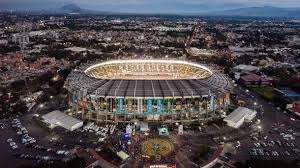
- Mexico: As the first nation to host three separate World Cups (1970, 1986, and now 2026), Mexico offers a deep, rich history of football passion and iconic venues like the Estadio Azteca.
- Canada: Making its debut as a host nation for the men’s tournament, Canada is eager to showcase its rising football profile and host matches in two of its most vibrant cities.
The Venues: Where History Will Be Made
The world cup 2026 will be played across 16 iconic cities, each selected for its ability to manage the massive influx of international travelers and its high-capacity venue standards. The selection process was rigorous, ensuring that every host city provides a world-class experience for players and spectators alike.
Key Venues in the United States
The U.S. will utilize 11 venues, including architectural marvels such as:
- MetLife Stadium (New York/New Jersey): Set to host the grand final, this venue is a centerpiece of the tournament.
- SoFi Stadium (Los Angeles): A technological wonder that represents the future of sports entertainment.
- AT&T Stadium (Dallas): Known for its massive capacity and ability to host high-profile international matches.
Key Venues in Mexico and Canada
Mexico’s contributions include the legendary Estadio Azteca in Mexico City, which will host the opening match, along with stadiums in Guadalajara and Monterrey. Canada will host matches in BC Place (Vancouver) and BMO Field (Toronto), both of which are set to undergo enhancements to meet FIFA’s stringent requirements. You can track the latest stadium updates and official scheduling on the official FIFA website.
The Tournament Format and Logistics
One of the most significant changes for the world cup 2026 is the expansion to 48 teams. This shift requires a complex scheduling format, which FIFA has organized into 12 groups of four teams. This format ensures that there is more football than ever before, providing more opportunities for smaller nations to qualify and compete on the global stage. Logistically, the tournament will be divided into regional clusters—East, Central, and West—to minimize travel fatigue for both the teams and the fans, highlighting the organizers’ focus on player welfare and sustainability.
Conclusion
The world cup 2026 is poised to be more than just a series of football matches; it is a celebration of unity, diversity, and the unifying power of sport across North America. By spreading the tournament across the United States, Mexico, and Canada, FIFA has ensured that this event will reach more fans than any previous iteration. From the historic turf of Mexico City to the modern arenas of the U.S. and the welcoming atmosphere of Canada, the 2026 tournament is set to write a new chapter in sports history. As the infrastructure projects reach completion and the excitement builds toward kick-off, one thing is certain: the world will be watching, and the 2026 World Cup will leave a legacy that lasts for generations to come.