


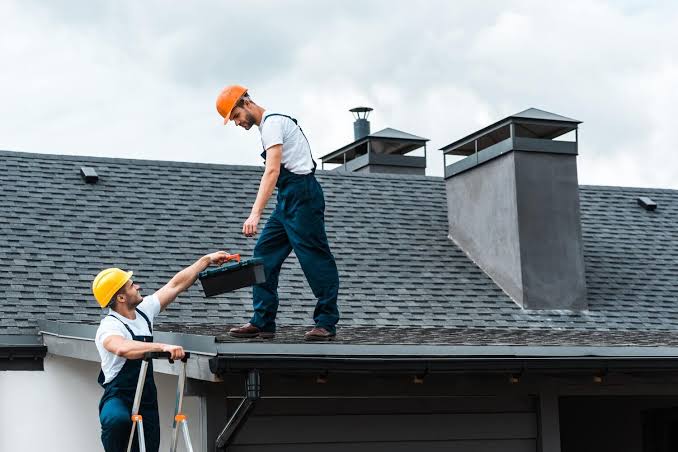
Most homeowners think about their roof only when a leak appears or a storm causes visible damage. Yet the roof is one of the most important systems protecting a property, and small issues often develop long before they become obvious. By taking a proactive approach to roof maintenance, homeowners can avoid costly repairs, extend the lifespan of their roofing system, and improve the overall value of their property.
A well-maintained roof does much more than keep rain out. It helps regulate indoor temperatures, protects structural components, and contributes to curb appeal. Understanding the benefits of regular inspections and preventive maintenance can help homeowners make smarter decisions about one of their largest investments.
The Hidden Cost of Delaying Roof Maintenance
Many roofing problems begin as minor issues. A loose shingle, damaged flashing, or clogged gutter may seem insignificant at first. However, these small defects can allow moisture to enter areas where it doesn’t belong.
Over time, water intrusion can lead to:
- Wood rot
- Mold and mildew growth
- Damaged insulation
- Interior ceiling stains
- Higher energy bills
- Structural deterioration
When left untreated, a repair that might have cost a few hundred dollars can eventually turn into a major restoration project. Preventive maintenance helps identify these concerns before they escalate.
Weather Plays a Bigger Role Than Most People Think
Roofs are constantly exposed to the elements. Sunlight, wind, rain, hail, and temperature fluctuations all contribute to wear and tear. In regions that experience severe storms, roofing systems face even greater stress.
Strong winds can loosen shingles and flashing. Heavy rain can exploit even the smallest vulnerabilities. Prolonged exposure to ultraviolet rays can cause roofing materials to age prematurely.
Because weather-related damage is often gradual, homeowners may not notice problems until significant deterioration has already occurred. Routine inspections provide an opportunity to assess storm impacts and address vulnerabilities before they worsen.
Key Signs Your Roof May Need Attention
While some roofing issues require a professional assessment, there are several warning signs homeowners can watch for between inspections.
Exterior Warning Signs
Look for:
- Missing or damaged shingles
- Curling or buckling roofing materials
- Granule loss on asphalt shingles
- Sagging roof sections
- Damaged flashing around vents and chimneys
Interior Warning Signs
Inside the home, pay attention to:
- Water stains on ceilings or walls
- Unexplained increases in energy costs
- Mold growth in attic spaces
- Drafts near the roofline
- Visible daylight in attic areas
Identifying these signs early can help prevent more extensive damage and reduce long-term repair costs.
The Value of Professional Roof Inspections
Many homeowners assume they can evaluate their roof from the ground. While visual checks are helpful, they rarely reveal the full picture.
Professional roofing inspections typically include a detailed assessment of roofing materials, flashing systems, drainage components, ventilation, and structural integrity. Experienced roofing professionals can identify subtle issues that might otherwise go unnoticed.
For homeowners seeking additional information about roofing systems, maintenance practices, and professional roofing services, resources such asidealprecisionroofing.com can provide valuable insight into common roofing challenges and available solutions.
Regular inspections are particularly important after major storms or when a roof reaches the latter half of its expected lifespan.
Preventive Maintenance Extends Roof Life
One of the greatest advantages of proactive maintenance is longevity. Every roofing material has an expected service life, but proper care often allows homeowners to maximize that lifespan.
Maintenance activities may include:
- Clearing debris from roof surfaces
- Cleaning gutters and downspouts
- Repairing damaged flashing
- Replacing missing shingles
- Addressing ventilation issues
- Sealing vulnerable roof penetrations
These routine measures help prevent premature aging and reduce the likelihood of major failures.
A roof that receives consistent maintenance can often perform significantly longer than one that is neglected, providing greater return on investment over time.
Energy Efficiency Benefits
Roof condition affects more than weather protection. It also plays a critical role in energy performance.
Damaged roofing systems can allow conditioned air to escape and outdoor air to infiltrate the home. Poor attic ventilation can trap heat and moisture, forcing HVAC systems to work harder.
Maintaining roofing materials, insulation, and ventilation components can improve efficiency and contribute to more consistent indoor temperatures. As energy costs continue to rise, these savings can become increasingly valuable.
Protecting Property Value
Whether a homeowner plans to stay for decades or sell within a few years, roof condition directly impacts property value.
Potential buyers often view roofing issues as a major concern because replacement costs can be substantial. A well-maintained roof demonstrates responsible ownership and may help support stronger resale value.
In contrast, visible roofing problems can create hesitation during the buying process and potentially lead to lower offers or additional negotiations.
By investing in routine maintenance, homeowners not only protect their current living environment but also strengthen their property’s long-term marketability.
Conclusion
Roof maintenance is often overlooked until a problem becomes impossible to ignore. Unfortunately, waiting for visible damage usually results in higher repair costs and greater disruption.
A proactive approach helps homeowners identify issues early, extend roof lifespan, improve energy efficiency, and protect property value. Regular inspections and preventive maintenance are among the most cost-effective investments a homeowner can make.
Rather than viewing roof care as an occasional expense, it should be considered an ongoing strategy for protecting one of the most important components of any home.