


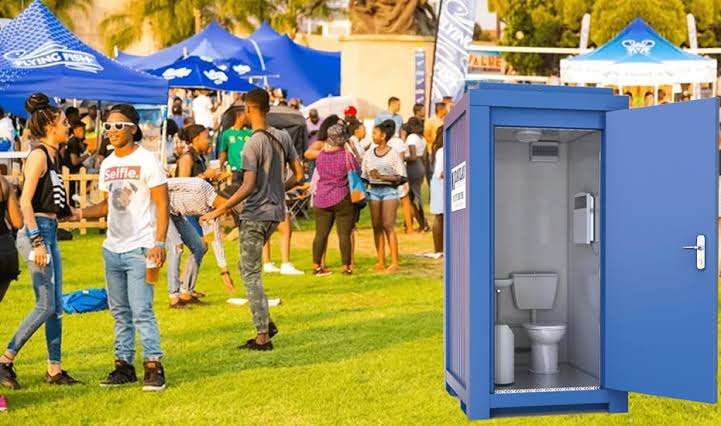
Why Reliable Sanitation Matters Across Canada
Wherever people gather or work away from permanent plumbing, sanitation becomes a question of health, dignity, and law. On a road crew north of Thunder Bay, at a summer festival on the Halifax waterfront, or on a cattle operation outside Saskatoon, access to a clean toilet is not a luxury but a basic requirement. A self-contained portable toilet with urinal brings that requirement to places a sewer line will never reach. Understanding how these units function, and how to service them, helps site managers protect their crews and meet the standards that Canadian workplaces are held to.
How a Self-Contained Toilet Works
A portable toilet is a closed system designed to hold and treat waste safely until it can be removed. Below the seat sits a holding tank, often around fifty gallons, that collects waste along with a measured dose of treatment fluid. That fluid breaks down solids, controls odour, and limits the growth of bacteria between service visits. A separate urinal increases the effective capacity of the unit by keeping liquid waste out of the main tank, which extends the time between pump-outs on a busy site.
A vent pipe runs from the tank to the roof of the cabin. As air moves across the top of the pipe, it draws odours up and out rather than letting them build inside the cabin. A soap dispenser and hand sanitation point complete the system, allowing users to clean their hands and reducing the spread of illness across a crew.
Efficiency, Health, and Productivity
Clean, accessible sanitation keeps a workforce productive. When workers do not have to leave a site to find a washroom, hours are saved across a week, and morale stays higher. Several factors decide how well a portable unit serves a site:
- Tank capacity matched to the number of users and the service interval
- A urinal to separate liquid waste and extend capacity
- Effective venting to keep the cabin usable
- Hand cleaning facilities to limit illness
- Stable placement on level, firm ground
On a remote pipeline project in northern Alberta, where the nearest town may be an hour away, a properly maintained unit is the difference between a crew that stays on task and one that loses time to long trips for basic needs.
Materials and Build Considerations
A portable toilet lives outdoors in hard conditions, so its construction matters. The cabin is usually moulded from high-density polyethylene, a plastic chosen because it resists impact, ultraviolet light, and the swing between summer heat and winter cold that Canadian sites endure. Smooth interior surfaces matter because they are easy to clean and give bacteria few places to settle. A well-designed unit also resists tipping in wind, an important quality on the open prairie where a sudden gust can topple a poorly anchored cabin. The weight and shape of the base matter here, because a low centre of gravity and a wide footing keep the cabin stable even before ground anchors are added. Quality moulding also leaves no sharp seams that could crack under impact when the unit is loaded onto a truck and moved between sites, a routine part of its working life that lesser plastics rarely survive for long.
Placement and Servicing Practices
Correct placement and a disciplined service schedule keep a unit safe and pleasant to use. A short routine prevents most problems:
- Set the unit on firm, level ground away from traffic and slopes
- Anchor or ballast the cabin where wind is a risk
- Pump out the holding tank before it reaches capacity
- Recharge treatment fluid and refill soap at each service
- Clean interior surfaces and check the vent on every visit
Service frequency depends on use. A unit shared by a dozen workers needs attention far more often than one at a quiet trailhead, and planning that schedule in advance prevents the unpleasant overflow that damages both health and reputation.
Performance in Canadian Conditions
Climate shapes how a portable toilet must be managed. In deep winter, treatment fluids can be formulated to resist freezing, and operators may add measures to keep tanks from solidifying during a cold snap in the interior of British Columbia. Summer brings the opposite challenge, when heat accelerates odour and microbial activity, calling for more frequent service. A manager who anticipates the season keeps the unit usable through extremes that would defeat a neglected one.
Common Settings and Useful Features
The range of places these units serve explains their popularity. Construction sites, agricultural operations, parks, campgrounds, disaster relief staging areas, and outdoor events all rely on portable sanitation. Useful features include a clear occupancy indicator on the door, a robust internal latch, non-slip flooring, and translucent roof panels that admit daylight without the need for power. A urinal and a generous tank together reduce the servicing burden, which is why many site managers specify them for crews of any size. On a multi-week project, that reduced servicing translates directly into lower operating cost and fewer interruptions, since each pump-out visit carries a fee and a window during which the unit is out of use.
Advantages and Limitations
Advantages
- Sanitation anywhere, with no connection to plumbing
- A urinal and large tank lengthen the service interval
- Durable plastic withstands sun, cold, and rough handling
Limitations
- Regular pump-out and restocking are required
- Cold and heat demand season-specific treatment
- Stable, level placement is essential for safe use
What Buyers Should Weigh
Selecting a portable toilet is a practical value decision. Buyers should match tank capacity to crew size and the realistic service interval, confirm the cabin is moulded from durable, ultraviolet-resistant plastic, and look for built-in hand sanitation and effective venting. A unit that includes a urinal and a soap dispenser reduces both servicing cost and the risk of illness across a season. Domestic availability of replacement parts and treatment fluid shortens downtime when a site cannot pause.
Where Portable Sanitation Is Heading
As Canadian regulators sharpen their focus on worker welfare and event organizers raise their standards, portable sanitation continues to improve in capacity, odour control, and accessibility. The self-contained unit has proven itself across decades of demanding use, and the current range of portable sanitation and site equipment reflects how steadily the category keeps advancing for the crews and communities that depend on it.