


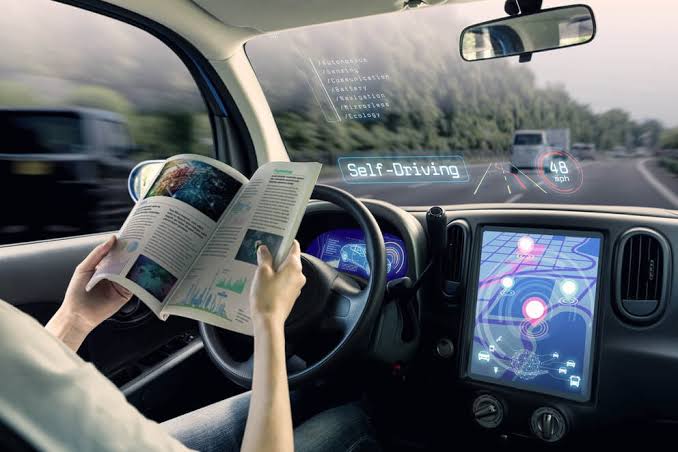
Advanced Driver Assistance Systems play a central role in improving vehicle safety, enhancing driver awareness, and supporting more efficient transportation. As automotive technology continues to evolve, modern vehicles rely on a combination of sensors, processors, and structural components that work together to deliver real time insight and automated support. These hardware elements allow systems to detect hazards, maintain stability, and respond to changing road conditions with precision. By understanding the components that make these systems effective, organizations can better evaluate the technologies that support long term reliability and performance.
High Resolution Cameras for Situational Awareness
Cameras are one of the most important hardware components in advanced assistance systems. They capture detailed visuals of the surrounding environment, allowing vehicles to identify lane markings, traffic signs, pedestrians, and nearby vehicles. High resolution imaging supports clearer interpretation of road conditions and strengthens automated decision making. These cameras often work in combination with other sensors to create a complete picture of the vehicle’s surroundings. When visual clarity improves, systems can respond more accurately to potential hazards and maintain safer operation across diverse environments.
Radar Sensors for Distance and Object Detection
Radar sensors provide reliable distance measurement and object detection capabilities that support adaptive cruise control, collision avoidance, and blind spot monitoring. These sensors use radio waves to detect the speed and position of nearby objects, even in low visibility conditions such as fog, rain, or darkness. Radar technology enhances system accuracy by offering consistent performance regardless of lighting or weather. When radar sensors are integrated effectively, vehicles maintain stronger awareness of surrounding traffic and respond more confidently to dynamic road conditions.
Lidar Systems for Precise Environmental Mapping
Lidar systems use laser pulses to create detailed three dimensional maps of the environment. This technology provides precise measurements of distance, shape, and surface characteristics, supporting advanced features such as automated lane keeping and obstacle detection. Lidar enhances system reliability by offering high accuracy in both short range and long range applications. Its ability to capture fine detail makes it especially valuable in environments where precise navigation is essential. When lidar systems are incorporated into assistance platforms, vehicles gain a deeper understanding of their surroundings and maintain more stable automated control.
Electronic Control Units for Real Time Processing
Electronic control units serve as the central processing hubs for advanced assistance systems. These units receive data from cameras, radar, lidar, and other sensors, then interpret that information to support automated responses. Real time processing ensures that vehicles can react quickly to changing conditions, whether adjusting speed, applying brakes, or maintaining lane position. Control units also support communication between different hardware components, creating a unified system that operates smoothly and consistently. When processing capabilities improve, assistance systems become more responsive and reliable.
Structural and Support Components for System Stability
Hardware components require stable mounting and support structures to maintain accuracy and performance. Brackets, housings, and alignment tools ensure that sensors remain properly positioned and protected from vibration, weather, and debris. In aviation and heavy equipment environments, technicians often rely on tools such as aircraft jack pads to maintain stable positioning during inspection or calibration, demonstrating how structural support contributes to long term reliability. When hardware components are securely mounted and protected, assistance systems operate more consistently and maintain stronger performance across diverse conditions.
Conclusion
Advanced Driver Assistance Systems rely on high resolution cameras, radar sensors, lidar technology, electronic control units, and stable support components to deliver accurate, reliable performance. These hardware elements work together to strengthen situational awareness, improve responsiveness, and support safer operation across modern vehicles.
