


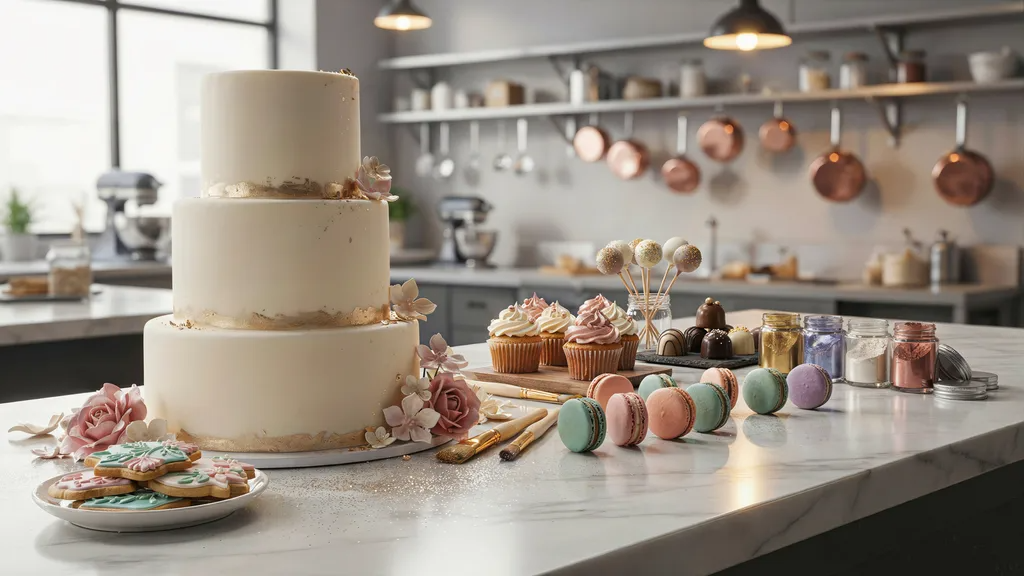
Creating beautiful desserts is no longer limited to professional bakeries. Home bakers, cake artists, and pastry chefs now have access to premium decorating products that transform ordinary cakes into breathtaking masterpieces. Among the most popular decorating essentials are Luster dust, edible glitter, and edible luster dust. While these products are often mentioned together, each serves a different purpose and can dramatically elevate the appearance of cakes, cookies, cupcakes, chocolates, and other sweet treats.
Whether you are preparing a birthday cake, wedding dessert, holiday cookies, or custom pastries for a client, understanding how these decorative ingredients work can help you achieve professional-quality results.
What Is Luster Dust?
Luster dust is a fine decorative powder designed to add a soft shimmer, metallic glow, or pearlescent finish to edible creations. It is widely used by cake decorators because it produces an elegant appearance without overwhelming the design.
Unlike coarse decorations, luster dust creates a smooth, refined finish that works well on fondant, gum paste, buttercream, royal icing, modeling chocolate, and even fresh fruit.
Depending on the desired effect, decorators can apply luster dust:
- Dry with a soft brush
- Mixed with alcohol or lemon extract for painting
- Airbrushed onto cakes
- Combined with edible glazes
- Layered with other edible decorations
Because of its versatility, it has become one of the most trusted products in modern cake decorating.
Understanding Edible Glitter
Many people confuse edible glitter with craft glitter, but they are completely different products.
Edible glitter is specifically manufactured using food-safe ingredients intended for consumption. It reflects light beautifully, creating sparkling effects that instantly enhance cakes, cupcakes, cookies, cake pops, chocolates, cocktails, and desserts.
Unlike shimmer dust, edible glitter usually consists of slightly larger particles that catch light from multiple angles, producing a dazzling sparkle.
Professional decorators commonly use edible glitter for:
- Birthday cakes
- Wedding cakes
- Baby shower desserts
- Holiday cookies
- Chocolate-covered strawberries
- Macarons
- Donuts
- Beverage decorations
The sparkle adds excitement without changing the flavor of the dessert.
What Is Edible Luster Dust?
Edible luster dust combines the elegance of shimmer with ingredients that are specifically formulated for food consumption.
It provides:
- Pearlescent shine
- Metallic finishes
- Smooth color enhancement
- Professional presentation
Available in numerous shades—including gold, silver, rose gold, pearl white, bronze, copper, blue, green, purple, and many vibrant colors—edible luster dust allows decorators to match virtually any event theme.
Because it is edible, it can safely be applied directly onto cakes and desserts intended to be eaten.
Luster Dust vs Edible Glitter
Although the terms are sometimes used interchangeably, there are important differences.
| Feature | Luster Dust | Edible Glitter |
| Appearance | Soft shimmer | Bright sparkle |
| Texture | Fine powder | Larger reflective particles |
| Finish | Elegant metallic glow | Glittering shine |
| Best For | Fondant, flowers, details | Celebration desserts |
| Application | Brush, paint, airbrush | Sprinkle directly |
Many decorators actually use both products together to create depth and dimension.
For example:
- Gold luster dust on fondant flowers
- Edible glitter on cake borders
- Pearl dust on wedding cakes
- Sparkle accents on cupcakes
The combination creates luxurious results.
Why Professional Bakers Love These Products
Decorative finishes have become increasingly important because desserts are often photographed before they are eaten.
Whether for social media, weddings, birthdays, or commercial bakeries, appearance influences first impressions.
Professional decorators appreciate these products because they offer:
- Easy application
- Consistent finish
- Rich color options
- Long-lasting shine
- Professional presentation
- Creative flexibility
They can transform even simple cakes into premium-looking desserts.
Popular Ways to Use Luster Dust
One of the biggest advantages of luster dust is its versatility.
Dry Brushing
A soft food-safe brush allows decorators to lightly dust raised details, flowers, embossed patterns, or lettering.
This technique creates subtle highlights.
Painting
Mixing luster dust with a small amount of clear alcohol creates edible paint.
This works especially well for:
- Gold lettering
- Metallic cake toppers
- Decorative borders
- Fondant decorations
The alcohol evaporates quickly, leaving behind a beautiful finish.
Airbrushing
Professional cake artists often combine edible luster dust with airbrush mediums to produce smooth metallic finishes across entire cakes.
This technique delivers highly consistent results.
Chocolate Decoration
Luster dust also adheres beautifully to molded chocolates and chocolate-covered treats.
A light dusting gives chocolates an elegant luxury appearance.
Creative Uses for Edible Glitter
Edible glitter can instantly brighten almost any dessert.
Popular applications include:
- Cupcake frosting
- Sugar cookies
- Cake pops
- Macarons
- Donuts
- Marshmallows
- Chocolate bark
- Ice cream toppings
- Cocktail rims
- Champagne garnishes
Because it reflects light so effectively, only a small amount is often needed.
Choosing the Right Color
Selecting the right shade depends on the occasion.
Gold
Perfect for:
- Weddings
- Luxury cakes
- Anniversary celebrations
Silver
Ideal for:
- Winter themes
- Elegant parties
- Modern cake designs
Rose Gold
Excellent for:
- Bridal showers
- Baby showers
- Fashion-inspired cakes
Pearl White
Suitable for:
- Wedding cakes
- Floral decorations
- Classic desserts
Bright Colors
Blue, pink, purple, green, and red work well for:
- Children’s birthdays
- Seasonal desserts
- Holiday celebrations
The right color can dramatically change the overall mood of the dessert.
Tips for Achieving Professional Results
Even beginners can achieve impressive finishes by following a few simple practices.
Use Soft Brushes
Food-safe cosmetic-style brushes provide even application without damaging delicate decorations.
Apply Gradually
Adding multiple light layers creates a smoother finish than applying one heavy coat.
Keep Surfaces Dry
Dry fondant accepts dust more evenly than sticky surfaces.
Experiment First
Testing colors on small decorations before applying them to the final cake helps avoid mistakes.
Combine Finishes
Layering shimmer and glitter often creates greater visual depth than using either product alone.
Common Decorating Mistakes
Even experienced decorators occasionally make mistakes.
Some common issues include:
- Applying too much dust
- Using wet brushes for dry application
- Mixing incompatible colors
- Using non-edible decorative products on edible desserts
- Skipping practice before important events
Taking a little extra time often leads to much cleaner and more professional designs.
Why Quality Matters
Not all decorating products are manufactured to the same standards.
Higher-quality products generally offer:
- Better pigmentation
- Smoother texture
- More consistent sparkle
- Reliable performance
- Easier application
Professional decorators often prefer premium suppliers because consistency is essential when decorating wedding cakes, celebration desserts, or commercial bakery products.
For decorators looking for dependable quality, LusterDust.com offers an extensive collection of premium decorating supplies, including shimmering luster dust, edible glitter, edible luster dust, petal dust, metallic colors, and other specialty cake decorating products. Their wide selection helps bakers find colors and finishes suitable for every celebration while maintaining excellent decorating performance.
Decorating Trends in Modern Baking
Cake decorating continues to evolve each year.
Current trends include:
- Metallic wedding cakes
- Watercolor fondant finishes
- Painted buttercream flowers
- Glitter cocktail garnishes
- Ombre shimmer effects
- Luxury cupcakes
- Minimalist pearl decorations
- Floral cake art
Many of these popular styles rely heavily on luster dust and edible glitter to create their signature appearance.
Frequently Asked Questions
Is luster dust safe to eat?
Only products specifically labeled as edible luster dust should be consumed. Always read product labels carefully before using them on food.
Can edible glitter be used on drinks?
Yes. Food-grade edible glitter is commonly used to decorate cocktails, mocktails, champagne, and other beverages.
How do professionals apply metallic finishes?
Many decorators mix luster dust with food-grade alcohol to create edible paint or use airbrush systems for larger surfaces.
Does edible glitter change the taste of desserts?
No. Most edible glitter is designed to provide visual appeal without affecting flavor.
Can beginners use these decorating products?
Absolutely. With a little practice, beginners can quickly learn simple techniques that produce beautiful results.
Final Thoughts
Beautiful cake decorating is a combination of creativity, technique, and high-quality ingredients. Whether you want a soft pearlescent glow or eye-catching sparkle, Luster dust, edible glitter, and edible luster dust offer endless opportunities to transform ordinary desserts into memorable creations.
From elegant wedding cakes to playful birthday cupcakes, these decorative essentials help bakers achieve polished, professional-looking finishes that impress guests before the first bite. Choosing premium-quality decorating products and learning proper application techniques can make every dessert stand out with confidence, creativity, and lasting visual appeal.
