


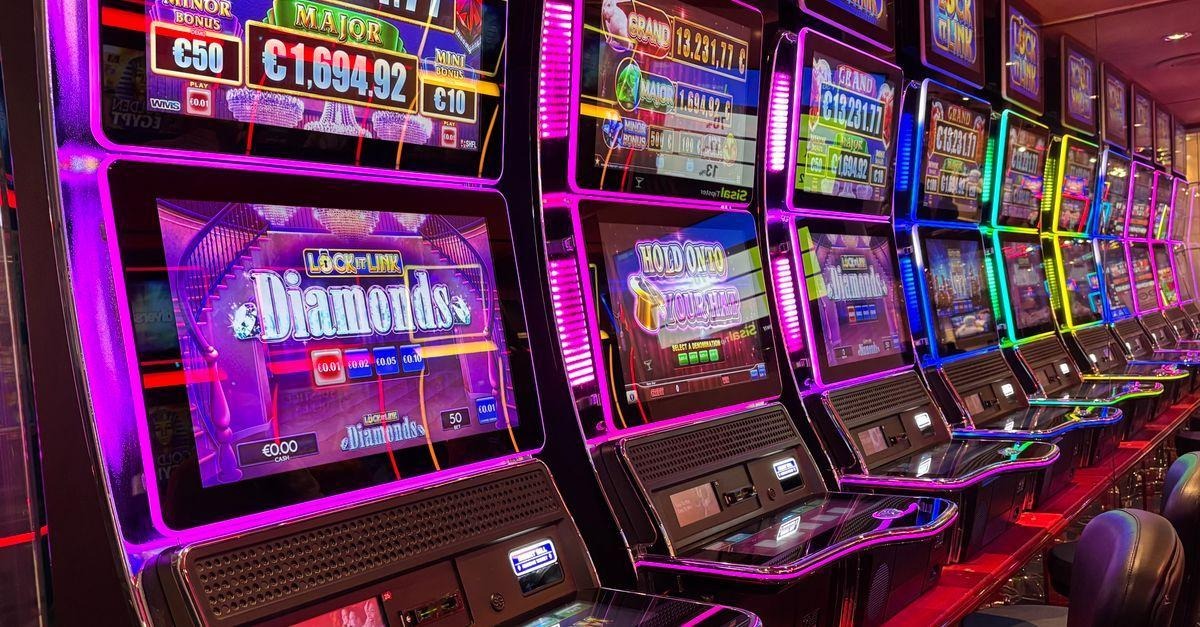
Image source: https://www.pexels.com/photo/vibrant-row-of-slot-machines-in-casino-29790832/
Why does a slot screen feel easy to read in one moment and confusing in the next?
The answer often sits in the layout itself. Screen layout controls where the eye goes first, how quickly symbols can be scanned, and how clearly the player can track motion during each spin. Small choices in spacing, button placement, reel size, and visual balance can change how long someone stays focused and how comfortable the screen feels to use.
Layout also affects memory. A screen that groups similar elements together makes patterns easier to notice, while a crowded screen makes each spin feel busier than it needs to be. That difference shapes attention, pace, and the sense of control that keeps people looking at the screen spin after spin, much like how a clean slot layout can make symbol changes easier to follow.
How Layout Directs The Eye
A strong screen layout starts by guiding attention in a clear order. Players usually look at the reels first, then the win area, then the control panel. If the layout supports that path, the screen feels natural and easy to read.
Visual Flow Creates Faster Recognition
Visual flow depends on how elements are arranged across the screen. Large central reels draw attention without effort, while smaller side elements stay in the background until needed. That balance helps players focus on the main action without losing access to controls or status information.
Spacing matters just as much as size. When symbols, meters, and buttons have enough separation, the eye can move between them without strain. Tight spacing can make the screen feel active, but it can also slow recognition because the brain has to sort through more visual noise.
Contrast Makes Information Stand Out
Contrast helps different parts of the screen perform different jobs. Bright symbols against a darker reel area are easier to scan, and clear color differences help players spot changes quickly. If every area uses the same level of brightness or detail, important information can get lost.
That is why screen layout is not only about placement. It is also about making sure the most useful information has the strongest visual separation. A player should not need extra effort to tell a spinning reel from a static panel or a win display from the background art.
Why Space And Density Change Focus
Screen density shapes how relaxed or intense the experience feels. A dense layout can make the screen feel energetic, but too much activity in one view can pull attention away from the reels. A balanced layout gives the eye places to rest, which helps the main action feel clearer.
Open Space Supports Faster Scanning
Open space around the reels gives symbols room to stand out. It also keeps the motion of each spin from blending into the background. That matters because players often judge the screen by how quickly they can read it after a spin starts.
Open areas also reduce the feeling of clutter around controls and displays. When buttons are not squeezed against decorative elements, they appear more usable and less hidden. That can make the screen feel calmer without making it dull.
Dense Layouts Create A Different Pace
Dense layouts can raise the sense of activity because more visual information is present at once. Extra animation, side panels, and layered graphics can make each spin feel fuller. The tradeoff is that too much density can make the screen harder to parse during fast motion.
That is why balance matters more than volume. A good layout does not try to fill every inch with movement. It gives the reels enough focus so the player can track what matters without distraction.
A strong example of this balance can be seen in a screen that keeps the core action clean while using background detail only where it supports readability, a quality often linked with a slot gacor presentation style in casual player conversations.
Controls And Information Placement Matter
Layout also affects how quickly players can act. If controls are easy to reach visually, the screen feels more responsive. If key information sits in the wrong place, players spend extra time searching instead of focusing on the spin.
Button Position Affects Comfort
Control placement should match natural attention patterns. Spin buttons, bet options, and info areas work best when they stay in predictable positions. This consistency helps players avoid confusion between spins, especially on screens where motion is already demanding attention.
When controls shift around too much, the player has to relearn the screen each time. That adds friction. A stable layout makes repeated actions feel easier because the interface behaves the same way every time.
Status Displays Need Clear Priority
Win messages, balance displays, and bonus indicators need strong priority in the layout. If these elements are buried under decorative content, players may miss changes that matter to their understanding of the round. Clear placement gives those displays a defined role without crowding the reels.
Priority also keeps the screen from feeling noisy. The player can notice the result of each spin without scanning the whole display for the answer. That direct path from action to result is a big part of why some screens feel more readable than others.
Motion And Layout Work Together
Layout does not stay still, because slot screens are built around movement. The best layouts account for how spinning reels, flashing highlights, and pop-up messages change the visual field in real time.
Motion Needs A Stable Frame
A stable frame gives motion a clear boundary. If the reels spin inside a fixed visual structure, the movement feels organized rather than chaotic. That structure helps players judge when spins start, when they end, and where their attention should stay during each phase.
Without that frame, movement can spill across the screen and reduce clarity. A screen that moves too many elements at once can make the result harder to read, even if the graphics themselves are attractive.
Animation Works Best With Restraint
Animation is most useful when it supports the layout instead of competing with it. Short highlights, brief flashes, and focused transitions can point to important events. Constant animation across every corner of the screen can weaken the effect because nothing stands out.
Good layout gives animation a job. It tells the eye where to look and when to look there. That makes each moving element more meaningful and keeps the screen readable during fast play.
Why Layout Shapes Return Visits
Players often return to screens that feel easy to understand. A clean layout reduces effort, and reduced effort builds comfort over time. That comfort matters because people usually prefer screens that let them follow the action without extra strain.
Consistency Builds Familiarity
Consistent layout helps players learn the screen faster. Once the reels, controls, and displays stay in predictable places, the brain does less work on each visit. That familiarity creates a smoother reading experience because the player can focus on the motion instead of the interface.
Small changes still matter, but they work best inside a familiar structure. A screen that keeps its basic shape while refining readability gives players a stable point of reference from one session to the next.
Readable Layout Supports Longer Focus
Readable screens make it easier to stay focused on the action. When the eye can move from reel to result without interruption, the player spends less time sorting out the interface. That cleaner flow keeps attention on the spin itself and makes the experience feel easier to follow.
Screen layout may seem like a background detail, but it shapes every moment of a slot screen interaction. It influences what gets noticed first, how fast information is read, and how comfortable the screen feels during repeated spins. That hidden structure is a major reason some layouts hold attention more effectively than others.
