


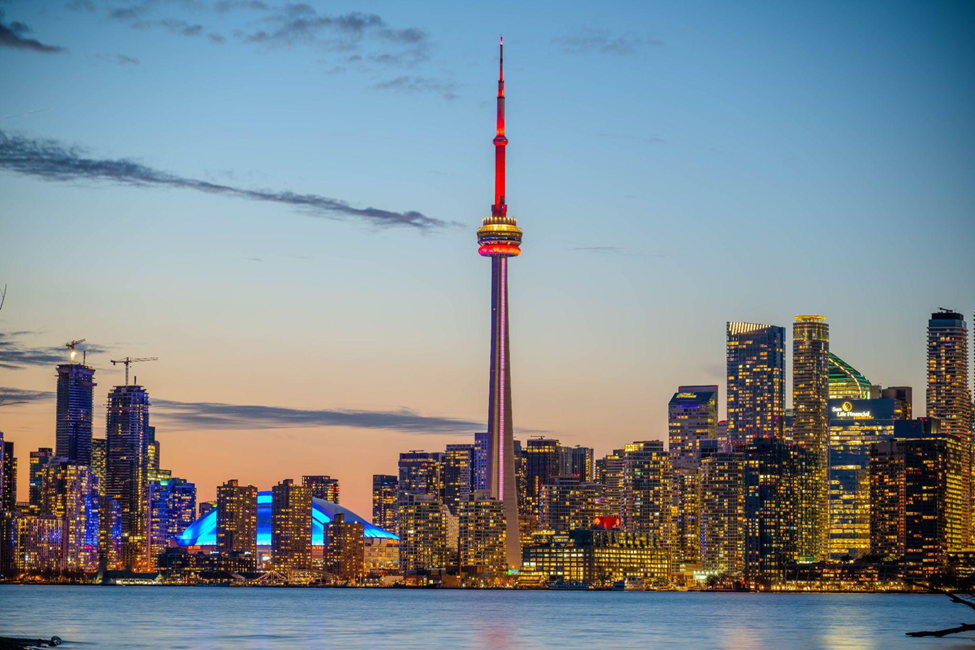
Medical travel for elective procedures isn’t a new phenomenon, but the specific concentration of surgical talent, facility standards, and procedural volume that major cities develop over time creates genuine reasons why patients choose one city over another for a procedure they could theoretically have done closer to home. Toronto has become one of the more prominent destinations for breast augmentation in Canada, drawing patients from across Ontario, from other provinces, and from international markets where the combination of surgeon quality and regulatory standards available here isn’t easily replicated.
Understanding why patients make that choice — and what it means practically for someone considering where to have the procedure — requires looking at the specific factors that distinguish Toronto’s plastic surgery landscape rather than simply accepting the city’s reputation as a given.
Concentration of Subspecialty Expertise
Cities develop surgical expertise through volume, and volume attracts more volume in a cycle that produces genuine concentration of skill in specific procedure categories. Toronto’s size and population support a plastic surgery community large enough that individual surgeons can develop genuine subspecialty focus — building practices around breast surgery specifically rather than offering it as one procedure among many.
Surgeons who perform breast augmentation with significant frequency develop the technical refinement and aesthetic judgment that lower-volume performers of the same procedure haven’t had the opportunity to build. The decision about implant characteristics, pocket placement, incision location, and the specific approach suited to an individual patient’s anatomy reflects accumulated experience that only high surgical volume produces. Patients traveling to access that experience are making a rational calculation that the local option, however convenient, may not offer the same depth.
Regulatory Standards and Facility Accreditation
Ontario’s regulatory framework for surgical facilities is among the more rigorous in Canada, and for patients considering breast augmentation Toronto clinics’ accreditation standards provide a meaningful baseline of safety assurance that isn’t uniform across all markets. Surgical facilities operating under College of Physicians and Surgeons of Ontario accreditation meet defined standards for anesthesia protocols, emergency preparedness, and infection control that non-accredited facilities don’t.
For patients traveling from markets where facility regulation is less developed — whether from other provinces with different standards or from international markets with less consistent oversight — Toronto’s regulatory environment provides a level of verified safety infrastructure that’s part of what the city offers beyond the surgical skill of its practitioners.
Access to Advanced Techniques and Implant Options
The range of implant characteristics, surgical approaches, and procedural refinements available through Toronto’s most experienced breast surgery practices reflects both the volume those practices operate at and the professional development investment their surgeons maintain. Surgeons who are active in continuing education, who attend international conferences, and who stay current with evolving techniques in their specialty bring a different level of current practice to their patients than those whose training stopped at their residency graduation.
The specific options available — implant profiles, textures, shapes, sizes — and the surgeon’s ability to recommend among them based on the individual patient’s anatomy and goals, rather than defaulting to a standard approach, reflect the depth of subspecialty expertise that concentrated surgical volume in a major city tends to produce.
The Consultation Process and What It Reveals
Patients who travel to Toronto for breast augmentation consultations frequently describe the experience as more thorough than what they encountered locally — a detailed anatomical assessment that takes into account chest wall characteristics, existing breast tissue, skin quality, and dimensional analysis that produces a recommendation specific to their situation rather than a standard approach applied uniformly.
That thoroughness reflects surgical experience with a wide range of presentations. A surgeon who has seen and operated on a broad variety of anatomical starting points has a more comprehensive reference base for assessing any individual patient than one whose experience is narrower. The consultation’s quality is often where the difference between a high-volume subspecialist and a generalist practicing the procedure becomes most immediately visible to the patient.
Recovery Support and Follow-Up Care
Patients traveling from outside Toronto for a procedure often have legitimate concerns about post-operative care — what follow-up looks like when they’re returning to another city, how complications get managed if they arise after the patient has left Toronto, and what the communication structure looks like through the recovery period. High-quality Toronto practices that regularly treat traveling patients have developed protocols for this that address remote follow-up through telehealth, provide detailed written guidance for local physicians if intervention is needed, and maintain communication availability through the recovery period regardless of where the patient is located.
This infrastructure for managing traveling patients’ post-operative care is itself a signal about how developed a practice’s experience with this patient population is, and it’s worth asking about specifically during the consultation.
The Practical Considerations for Traveling Patients
Beyond the clinical factors, the practical logistics of traveling to Toronto for breast augmentation require planning that local patients don’t face. Accommodation arrangements that allow for the limited mobility of the immediate recovery period. A companion who can provide transportation and support through the first several days. The timing of the return home relative to what the recovery actually requires rather than what travel schedules make convenient.
Patients who plan these logistics as carefully as they research the procedure and the surgeon tend to have recovery experiences that reflect the quality of the surgical work rather than being complicated by logistical decisions that weren’t adequately thought through before departure.
