


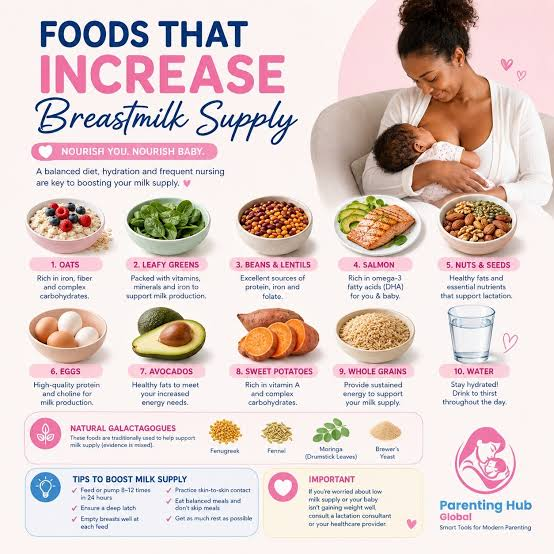
Breastfeeding can look different for every mother. Some women establish a comfortable feeding routine quickly, while others need time to understand their baby’s feeding patterns and their own body’s response. Nutrition, hydration, frequent breastfeeding, adequate rest, and proper feeding techniques can all influence the breastfeeding experience. Many mothers also explore a breast milk booster when they feel their milk supply needs additional support, but understanding the reasons behind low supply is an important first step.
Understand How Milk Supply Develops
Breast milk production is closely connected to how frequently and effectively milk is removed from the breasts. After birth, hormonal changes initiate milk production, while regular breastfeeding or pumping provides signals that encourage the body to continue producing milk.
During the early weeks, feeding patterns can change frequently. A baby may feed more often during growth spurts, making it difficult for mothers to judge whether their supply is sufficient based only on how often the baby wants to nurse.
Understanding these natural variations can help mothers avoid unnecessary worry and focus on effective feeding practices.
The Connection Between Feeding And Supply
Frequent and effective milk removal is one of the main factors involved in maintaining production. When a baby latches well and feeds effectively, the breasts receive signals to continue producing milk.
If feeds are consistently skipped or milk is not removed effectively, production may decrease over time. Pumping can sometimes help maintain stimulation when direct breastfeeding is temporarily difficult.
However, every breastfeeding situation is different. Lactation consultants and healthcare professionals can help identify whether feeding technique, latch, scheduling, or another factor may be affecting milk production.
Nutrition Matters During Breastfeeding
Breastfeeding increases the body’s nutritional demands, making balanced meals particularly important for mothers. Protein, complex carbohydrates, healthy fats, vitamins, minerals, and adequate fluids all contribute to maternal health.
Meals can include vegetables, fruits, whole grains, pulses, dairy products or alternatives, eggs, nuts, seeds, and other nutrient-rich foods according to individual dietary preferences.
There is no single food that guarantees increased milk production. Instead, maintaining adequate overall nutrition supports the mother’s energy and well-being while she breastfeeds.
Practical Ways To Support Milk Production
Mothers who want to boost milk supply should first consider the basics of breastfeeding management. Offering feeds according to the baby’s needs, checking the latch, ensuring effective milk removal, and avoiding unnecessary long gaps between feeds may help support production.
If pumping is part of the feeding routine, using appropriate equipment and maintaining a consistent schedule can also be useful.
When concerns continue despite these measures, professional assessment is valuable. A healthcare provider or lactation consultant can evaluate the feeding pattern and identify possible underlying causes.
Staying Hydrated Throughout The Day
Fluid needs can increase during breastfeeding, and thirst is often a useful reminder to drink. Keeping water nearby during feeding sessions can make regular hydration easier.
Hydration supports normal bodily functions, but drinking excessive amounts of water does not necessarily result in greater milk production. The focus should remain on responding to thirst and maintaining adequate fluid intake throughout the day.
Warm beverages, soups, milk, and other fluids can also contribute to daily hydration according to personal preferences.
Exploring Lactation Support Products
As awareness around breastfeeding nutrition grows, mothers have access to products designed to complement their daily routines. These may contain combinations of herbs, grains, vitamins, minerals, or other nutritional ingredients.
Mylo lactomama benefits are associated with a product designed to support mothers during the breastfeeding stage. However, supplements should not be treated as a replacement for effective feeding practices, balanced nutrition, or professional support.
Before using any lactation supplement, mothers should review the ingredients and discuss suitability with a healthcare professional, particularly if they have medical conditions or take medications.
Recognizing Signs of Effective Feeding
Instead of judging milk supply only by breast fullness or pumping volume, mothers can look at several indicators of effective feeding. A baby’s swallowing during feeds, satisfaction after feeding, regular wet diapers, and appropriate weight gain can provide more meaningful information.
Breasts may also feel softer after feeding, which does not necessarily mean that milk production has stopped.
Because newborn feeding patterns can be difficult to interpret, regular pediatric checkups provide an important opportunity to monitor growth and discuss concerns.
Staying Organized With Digital Pregnancy Resources- Mylo Pregnancy & Parenting App
Digital tools can support parents before and after childbirth by keeping important information organized. Pregnancy resources can help mothers follow fetal development, understand changing nutritional needs, and prepare for breastfeeding and newborn care.
These tools can help expectant mothers monitor pregnancy milestones, estimate important dates, and access structured information throughout pregnancy. Those looking for Mylo pregnancy app download options can explore digital resources that bring pregnancy information and useful guidance together in one place. Preparing ahead of time can make it easier to understand breastfeeding basics and plan for the early weeks after delivery.
Digital guidance works best when it complements personalized medical and lactation support. It can also help parents keep useful advice and important reminders accessible when they need them.
When Professional Guidance Is Important
Persistent concerns about milk production should not be managed through supplements alone. Low milk supply can have many possible causes, including ineffective milk transfer, hormonal factors, certain medications, previous breast surgery, or other health conditions.
A healthcare professional can assess the situation and recommend appropriate steps. Lactation consultants can also provide practical guidance on positioning, latch, pumping, and feeding frequency.
Seeking help early can prevent small breastfeeding difficulties from becoming more stressful.
Conclusion
Supporting breast milk production involves more than relying on a single food or supplement. Effective milk removal, appropriate feeding practices, balanced nutrition, hydration, maternal rest, and professional guidance all have important roles in a healthy breastfeeding journey. When concerns about supply arise, identifying the underlying cause is more useful than immediately turning to a particular product.
For mothers looking for convenient nutrition solutions and reliable pregnancy and parenting resources, a pregnancy tracker and calculator can also help organize important milestones and planning needs. Mylo offers thoughtfully developed products and practical support designed to complement different stages of the motherhood journey.
