


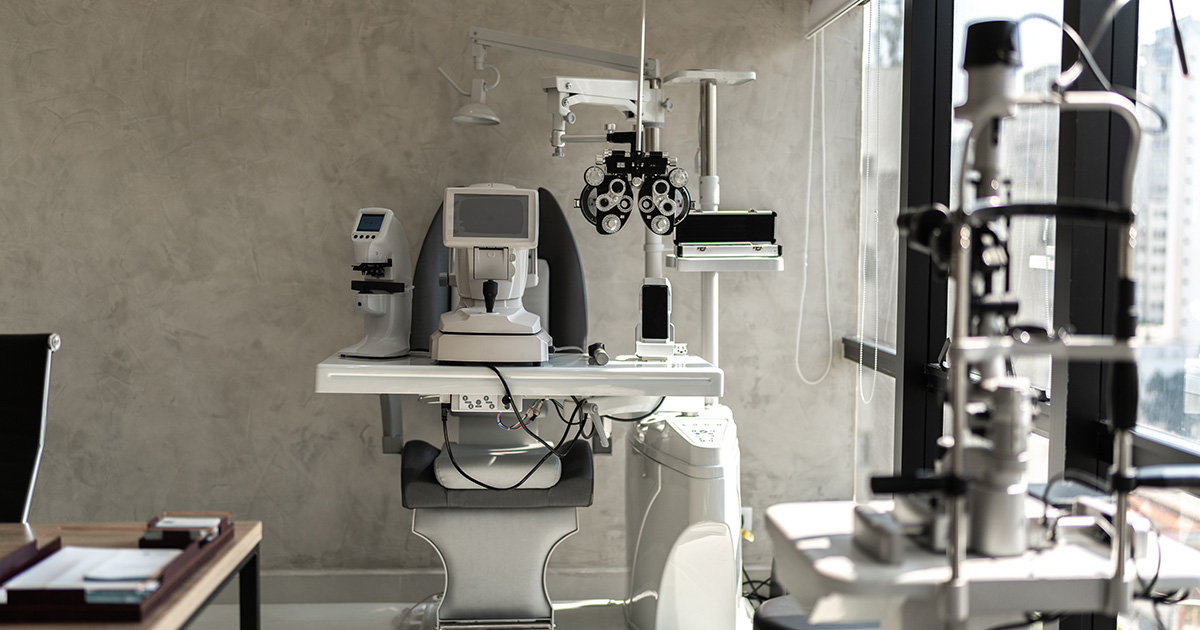
Opening an optometry practice is exciting, but there are a surprising number of decisions between having the idea and welcoming the first patient. Before looking at office space or ordering optometry equipment, it helps to define what kind of practice you actually want to build. Will you focus on routine eye exams and eyewear, or do you plan to offer services such as specialty contact lenses, dry eye care, pediatric optometry, or myopia management? Think about the patients you hope to serve, the experience you want them to have, and how large you expect the practice to become. These early decisions influence everything from location and staffing to equipment purchases. A clear vision also makes it easier to separate essential startup expenses from things that would simply be nice to have.
Choose a Location With Patients in Mind
Location can shape a practice long before marketing enters the picture. Visibility matters, but convenience often matters just as much. Patients may appreciate easy parking, accessible entrances, proximity to major roads, and a location that doesn’t require navigating a confusing office complex. Research the surrounding community before signing a lease. Who lives or works nearby? How many competing optometry practices operate within the area? Are there growing neighborhoods, schools, senior communities, or businesses that could influence patient demand? Lease terms deserve careful attention as well. Renovation allowances, signage rights, renewal options, maintenance responsibilities, and restrictions on improvements can have significant financial consequences. A beautiful location isn’t necessarily a good location if the lease makes operating there unnecessarily difficult.
Design the Office Around Patient Flow
An optometry office has to do more than look professional. It needs to function smoothly throughout a busy day. Consider how patients will move from reception to pretesting, examination rooms, optical areas, and checkout. Ideally, staff shouldn’t have to constantly cross paths or walk long distances to retrieve supplies. Exam rooms should provide enough space for equipment while remaining comfortable for patients and clinicians. The optical area deserves special consideration because it’s both a healthcare environment and a retail space. Frames should be easy to browse, lighting should be flattering and practical, and patients should have enough room to make decisions without feeling crowded. Good design quietly removes friction. Patients may never comment on an efficient layout, but they’ll notice when an office feels cramped or confusing.
Budget Beyond the Obvious Expenses
Startup costs can accumulate quickly. Diagnostic equipment, examination chairs, computers, furniture, inventory, renovations, signage, insurance, professional fees, software, and deposits may all arrive before meaningful revenue begins flowing into the practice. Then there are recurring expenses such as rent, payroll, utilities, supplies, software subscriptions, marketing, insurance, and equipment maintenance. Building a detailed financial forecast can help prevent unpleasant surprises. It’s also wise to maintain adequate working capital for the first several months, since patient volume may take time to develop and insurance reimbursements aren’t always immediate. Ask yourself a practical question: if revenue grows more slowly than expected, how long can the practice comfortably operate? Planning for a conservative scenario can provide valuable breathing room.
Select Technology That Supports the Workflow
Practice technology should make everyday work easier rather than adding another layer of complexity. Electronic health records, scheduling platforms, billing systems, patient communication tools, payment processing, inventory management, and imaging equipment may all need to work together. Before choosing software, map out common activities from beginning to end. What happens when someone books an appointment? How are reminders delivered? Where are exam findings documented? How are insurance claims submitted and followed up? How does a patient order and pay for eyewear? Thinking through these questions can reveal whether a particular system fits your workflow. Security and privacy also deserve attention. Patient information must be handled appropriately, so technology decisions should account for applicable healthcare privacy requirements and cybersecurity practices.
Build a Team Before the Doors Open
Even a small practice depends heavily on the people running it. Front desk staff, optometric technicians, opticians, billing specialists, and practice managers can influence both efficiency and the patient experience. Hiring early enough to allow for training can make opening week considerably less chaotic. Employees should understand not only their individual responsibilities but also how the entire patient journey works. Develop procedures for scheduling, phone calls, insurance verification, pretesting, eyewear orders, payments, referrals, and follow-up communication. What happens when a patient arrives late or an insurance claim is denied? Answering routine operational questions before opening allows the team to respond consistently instead of inventing solutions under pressure.
Create a Plan for Attracting Patients
A new practice needs visibility, even if the optometrist already has professional connections in the community. A clear website, accurate local business listings, helpful patient information, and an easy appointment process can establish a strong foundation. Community involvement may help as well. Building professional relationships with primary care providers, pediatricians, ophthalmologists, schools, and other appropriate organizations can strengthen referral networks over time. Patient retention matters just as much as acquisition. Friendly communication, reasonable wait times, organized follow-up, and a comfortable office experience can encourage people to return. Marketing may get someone through the door once. Their experience determines whether they want to come back.
Build for the Practice You Want to Grow
Setting up an optometry practice involves clinical, financial, operational, and business decisions happening almost simultaneously. Trying to perfect everything before opening isn’t realistic. Instead, concentrate on creating strong systems that can adapt as the practice grows. Choose a sensible location, understand your finances, design efficient workflows, invest thoughtfully in technology, and train employees around a consistent patient experience. Once patients begin arriving, pay attention to what actually happens rather than what you expected to happen. Small adjustments to scheduling, staffing, office layout, or communication can make a noticeable difference. A successful practice isn’t simply opened one day. It’s built gradually through hundreds of thoughtful decisions.
