


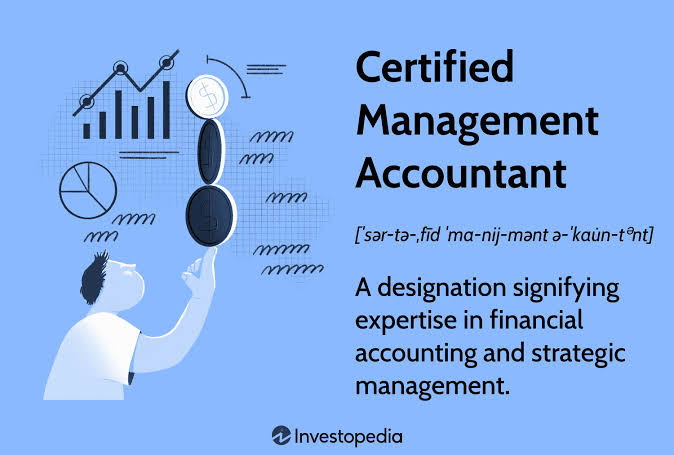
Most founders learn to read a balance sheet the hard way, usually after a cash crunch or a pricing mistake that ate into profit for months. A certified management accountant course fixes that gap before it happens. It teaches budgeting, cost control and forecasting in a structured order, so business decisions rest on numbers instead of hope.
This piece covers what CMA full form actually means, why the credential works well for people running a company, verified 2026 fee figures, and what the exam involves.
What CMA Full Form Means and Why It Differs From Regular Accounting
CMA full form stands for Certified Management Accountant. The credential is issued by the Institute of Management Accountants (IMA), a US based body recognized across more than 100 countries.
Regular financial accounting reports what already happened, mainly for banks, investors and tax filings. Management accounting looks ahead instead. It deals with pricing, budgets, variance tracking and internal reporting that a business owner uses to run daily operations.
A founder who studies what CMA full form covers usually notices the shift quickly. The subject matter is not built for external auditors. It is built for the person making pricing calls, deciding where to cut spend, and figuring out which product line actually makes money.
Why the Certification Fits Founders Running Their Own Business
Small teams rarely carry a full finance department in the first few years. Founders end up doing budgets, invoicing and cost tracking themselves, often without formal training. A certified management accountant course closes that gap with practical, applied content rather than theory heavy lectures.
Reading the Numbers Without Outsourcing Every Decision
Owners who complete the course can prepare their own management reports, track burn rate, and catch a cash shortfall weeks before it becomes urgent. That removes dependence on a consultant for routine financial reads.
Talking to Investors With Real Numbers
Term sheet conversations move fast, and vague answers on unit economics cost deals. Founders who have gone through a certified management accountant course can walk into a pitch and answer questions on margin, burn and break even point directly, which speeds up trust building with investors.
Pricing Products on Data, Not Guesswork
Cost accounting modules cover activity based costing and break even analysis. Founders apply these directly to set prices that protect margin instead of eroding it during a discount push or a new market launch.
CMA Exam Structure in 2026
The exam has two parts, and candidates can attempt them in any order.
- Part 1: Financial Planning, Performance and Analytics
- Part 2: Strategic Financial Management
Each part is scored on a 0 to 500 scale, and a candidate needs 360 or higher to pass. Testing runs across three windows each year: January to February, May to June, and September to October. Once the entrance fee is paid, candidates get three years to clear both parts before the entrance fee has to be paid again.
CMA Fees for 2026
Fee figures below reflect the current IMA schedule for 2026, cross checked across IMA linked sources.
| Fee Component | Professional Member | Student or Academic Member |
| IMA Membership (annual) | $295 | $49 to $160 |
| CMA Entrance Fee (one time, valid 3 years) | $300 | $225 |
| Exam Fee (per part) | $495 | $407 |
| Approximate First Year Total | $1,585 | $1,088 to $1,199 |
Certified members also pay a $30 annual renewal fee and must log 30 hours of continuing education every year to keep the credential active.
Eligibility asks for a bachelor’s degree from an accredited institution plus two years of relevant work experience, which can be completed before or after clearing the exam. Business owners often satisfy this requirement through their own operating role, since budgeting and financial management responsibilities count toward it.
Fitting Study Into a Founder’s Week
Fixed classroom timing rarely works for someone running a company. Recorded lectures, weekend batches or one to one mentoring let a founder study around client calls and daily operations instead of the reverse.
Realistic Time Commitment
Most candidates set aside 8 to 10 hours a week for roughly 10 to 12 months across both parts. Splitting preparation into small weekly targets keeps the workload manageable alongside running a business.
Self Study Versus Structured Coaching
Self study costs less but demands strict discipline without external checkpoints. Structured coaching from a provider like Zell Education adds fixed timelines, doubt clearing sessions and mock exams, which shortens the preparation window for candidates with limited free time.
Conclusion
A certified management accountant course gives founders a working financial toolkit rather than a certificate to display. It builds the skill to price correctly, plan cash with confidence, and speak the same language as investors and lenders during funding conversations. Anyone who checks what CMA full form stands for will find it less of an academic label and more of a practical asset for running a company on solid numbers through 2026 and the years after.
