


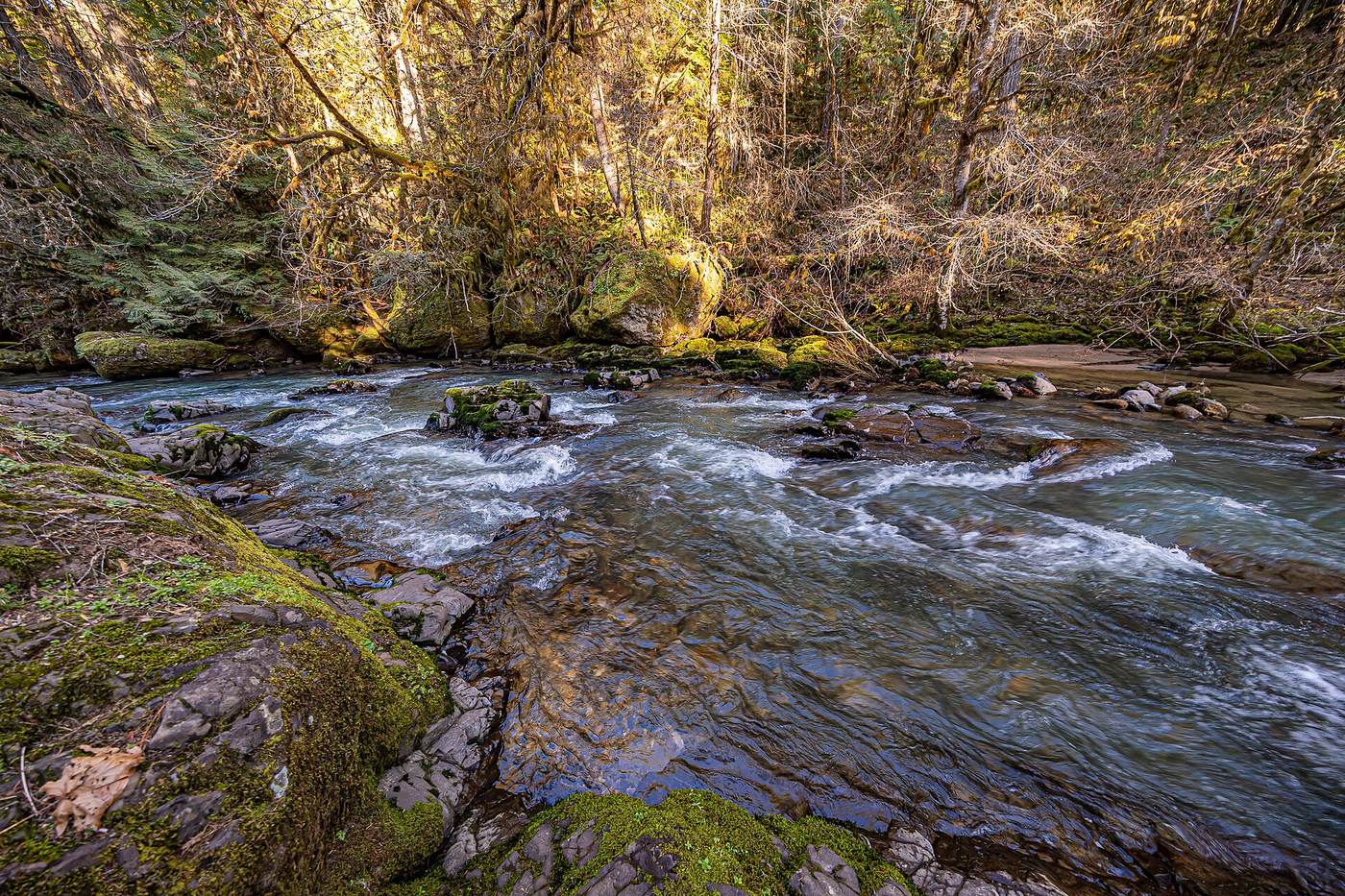
Stand on the bank of a rewilded river and the first thing you notice is the noise. Water tumbles over stones that were straightened into concrete channels a century ago, dragonflies patrol the shallows, and if you are lucky, a kingfisher flashes past. River rewilding — removing weirs, reconnecting floodplains and letting water find its own course — has moved from a fringe idea to one of conservation’s fastest-growing movements, with hundreds of projects now under way across Europe and North America.
Why straight rivers stopped working
For generations, engineers treated rivers as plumbing. Channels were dredged, banks were armoured and barriers were built to power mills, float timber and control floods. The result was efficient for industry but disastrous for wildlife: migratory fish lost their routes, wetlands dried out, and water rushed downstream so fast that flooding grew worse, not better. Ecologists now argue that a river’s bends, pools and gravel bars are not decoration. They are the machinery that cleans water, stores carbon and shelters everything from salmon fry to otters.
The evidence has been building for years. Groups such as the International Union for Conservation of Nature point to barrier-removal programmes that reopened thousands of kilometres of habitat in a single decade. When the Elwha River’s dams came down in Washington State, salmon returned to stretches they had not reached in a hundred years — and they came back faster than modellers predicted.
Beavers, banks and natural engineering
The movement’s hardest workers are not human. Beavers, reintroduced to catchments from Scotland to the Czech Republic, build dam complexes that slow floodwater, filter silt and create wetland mosaics almost overnight. Landowners who once saw them as a nuisance increasingly see them as unpaid flood engineers. Alongside the animals, volunteers plant native trees whose roots cool the water for trout and whose shade suppresses the algal blooms that choke slow summer flows. Our wider coverage of wildlife making a comeback shows the same pattern repeating on land.
What still stands in the way
The funding model is evolving with the science. Several European governments now pay for ‘room for the river’ in flood budgets rather than conservation budgets, on the blunt calculation that a reconnected floodplain is cheaper than a heightened dike. Insurance analysts have begun modelling rewilded catchments as risk reducers, and water companies — obliged to clean what rivers carry — increasingly co-fund upstream restoration because a living river filters better than a treatment works. Each new sponsor changes the politics: rewilding stops being a favour done for nature and becomes infrastructure a region buys for itself.
Rewilding is not free of friction. Farmers worry about waterlogged fields, anglers argue over which species benefit, and old mill weirs can carry heritage protections. The projects that succeed tend to share two habits: they pay landowners for the flood storage their land provides, and they monitor results publicly, fish counts included. The direction of travel, though, looks settled. Every year more barriers fall than are built — and the rivers, given half a chance, are doing the rest themselves.
