


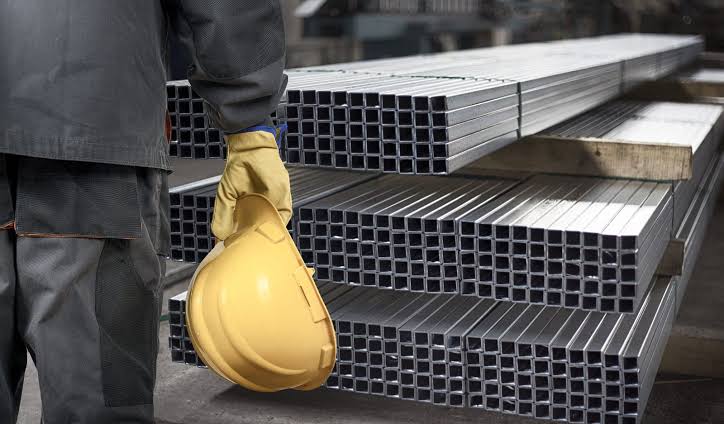
A production line runs on more than motors and software. Steel frames hold machines steady, platforms give crews access, and supports keep heavy equipment in place. Behind these everyday essentials sits steel fabrication, a process that shapes raw metal into useful industrial components.
Why steel fabrication matters in industrial engineering?
Steel fabrication covers cutting, bending, drilling, and joining steel to match technical drawings. Industrial engineering brings these components into a wider plan, considering equipment layout, worker safety, production flow, and maintenance access.
Think about a conveyor system. Its frame must carry the expected load without excessive movement. Nearby platforms need enough space for inspections. Even bolt holes matter: poor alignment can slow installation and place unwanted stress on connections.
Your project benefits from involving fabricators early. Engineers can review lifting points, transport limits, and assembly methods before a drawing reaches the workshop. Early coordination reduces changes on site, where adjustments are usually slower and more expensive. Operators can flag hidden access problems before production work begins.
From design to finished steelwork
Measurements come before machines
Fabricators begin with drawings and dimensions. For upgrades, site measurements deserve special attention because existing structures may differ from original plans. Digital models can help teams identify conflicts between steelwork, pipes, cables, and moving equipment.
Cutting and welding need control
Steel plates and profiles are cut to size, then shaped or drilled. Welding joins separate pieces using heat and filler metal. The welding procedure depends on material thickness, joint design, and loading. Skilled crews also manage heat distortion, the slight change in shape caused by welding temperatures.
Inspection protects the next stage
Quality checks cover dimensions, welds, and surface condition. Tolerances (permitted differences from specified measurements) establish acceptable limits. Inspectors may use visual checks and nondestructive testing (methods that examine welds without damaging them). Problems found in the workshop are easier to correct before installation.
Where fabricated steel supports daily operations?
You can find fabricated components across factories, recycling facilities, warehouses, and construction sites.
Their jobs are specific:
- machine frames – support motors, pumps, and conveyors;
- access plat forms – provide safe routes for inspection and repairs;
- pipe supports – hold process lines in their intended positions;
- replacement brackets – restore damaged equipment connections.
Each item needs an appropriate steel grade, connection detail, and protective finish. A frame exposed to vibration calls for different design checks than a static storage rack.
The Icelandic contractor Vélvörn describes steelwork, industrial installation, machining, hydraulic service, and emergency maintenance at https://velvorn.is/. Its https://velvorn.is/hafdu-samband/ page provides a channel for discussing project requirements. These services illustrate the overlap between fabrication, installation, and ongoing industrial support.
Why maintenance belongs in the conversation?
Fabrication continues after the first installation. Plants replace worn components, modify production lines, and add new machinery throughout their operating lives. That work connects metalworking with repair planning and equipment availability.
For your next upgrade, share equipment loads, available space, access restrictions, and shutdown windows with the technical team. Clear information helps avoid delays and creates a safer installation plan.
