


1. Introduction
Cybersecurity threats are becoming more complex as businesses rely on websites, cloud platforms, applications, and digital systems to manage daily operations. While technology makes work faster and easier, it also creates opportunities for cybercriminals to exploit security weaknesses. A small vulnerability can lead to data theft, service interruptions, financial losses, or damage to a company’s reputation. This is why identifying security problems early is essential. A fast pen test offers a practical way to examine digital systems, uncover potential weaknesses, and understand how attackers might take advantage of them. Instead of waiting for a real attack to expose a problem, organizations can use controlled security testing to discover risks and take action before they become serious threats.
2. Understanding the Purpose of Penetration Testing
Penetration testing, commonly called pen testing, is a security assessment that involves simulating real-world cyberattacks against a system. The purpose is to find weaknesses before malicious individuals can exploit them. Security professionals use approved testing methods to examine applications, networks, servers, and other digital assets.
Unlike basic security scans, penetration testing can help determine whether a discovered weakness could actually be used to gain unauthorized access or expose sensitive information. It provides a clearer picture of how different security issues may affect an organization.
Testing can focus on several areas, including:
- Web applications: Identifying weaknesses in login systems, forms, and user permissions.
- Network security: Examining exposed services and possible entry points.
- Access controls: Checking whether users can access information beyond their permissions.
- Data protection: Evaluating how sensitive information is stored and handled.
These findings help businesses understand their actual security position.
3. Why Speed Matters When Identifying Security Risks
Time plays an important role in cybersecurity. When a vulnerability remains unnoticed, attackers may have more opportunities to discover and exploit it. Businesses also face pressure to release software updates, launch new features, and maintain uninterrupted services. Long security assessments may not always fit into these fast-moving environments.
A fast pen test can provide a more focused approach by examining important systems and identifying significant security concerns within a shorter timeframe. It is especially useful when organizations need an initial assessment, want to review recent changes, or need to investigate a specific area of concern.
However, speed should not come at the expense of testing quality. The scope must be clearly defined, and security professionals should use appropriate methods to investigate relevant risks. A focused assessment can help teams prioritize urgent weaknesses while planning more detailed testing where necessary.
4. Common Vulnerabilities a Fast Pen Test Can Reveal
Digital systems contain different types of weaknesses, and even a small security mistake can create an opportunity for attackers. Penetration testing helps uncover these problems by examining how systems behave under controlled attack conditions.
Some common vulnerabilities include:
- Weak passwords: Easy-to-guess credentials can make unauthorized account access more likely.
- Outdated software: Older applications may contain known security weaknesses that have not been fixed.
- Poor access controls: Incorrect permissions can allow users to view or change information they should not access.
- Insecure configurations: Misconfigured servers, databases, and cloud services can expose valuable information.
- Input validation problems: Poorly handled user input may create opportunities for attacks such as SQL injection.
- Session management issues: Weak session controls can put user accounts and active connections at risk.
Identifying these weaknesses allows technical teams to understand which problems require immediate attention and which need further investigation.
5. How the Testing Process Works
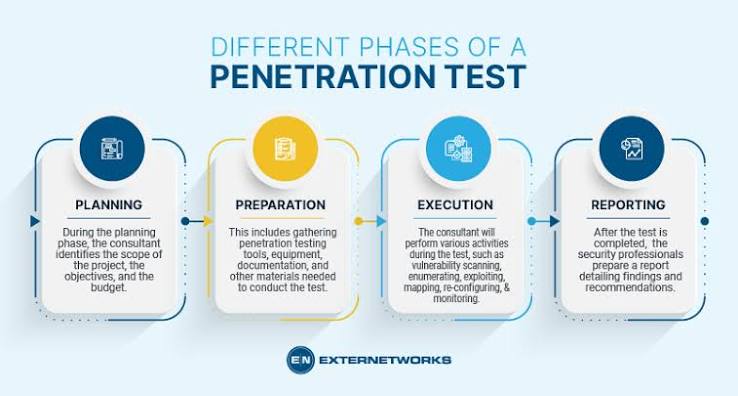
A successful penetration test follows a structured process. Even when an assessment is designed to be completed quickly, each stage should have a clear purpose. Proper planning helps security professionals focus on important assets without disrupting normal business operations.
A typical process includes these steps:
- Define the scope: Identify the websites, applications, networks, and systems that are approved for testing.
- Gather information: Review available technical details to understand the target environment.
- Identify weaknesses: Use suitable security tools and manual techniques to discover potential vulnerabilities.
- Validate findings: Safely test relevant weaknesses to determine their possible impact.
- Prepare a report: Document discovered issues, supporting evidence, and recommended solutions.
- Recommend improvements: Help the organization understand how to reduce identified risks.
This organized approach makes the results easier to understand and gives development and security teams a clear starting point for corrective action.
6. Business Benefits of Early Vulnerability Detection
Finding security problems before attackers exploit them can protect more than technical systems. It can also support business continuity, customer confidence, and long-term growth. Organizations that understand their security weaknesses are better prepared to make informed decisions about improvements.
A focused penetration test can provide several practical benefits:
- Reduced security exposure: Identifying weaknesses early gives teams an opportunity to fix them before exploitation.
- Better resource planning: Businesses can prioritize critical issues instead of treating every finding equally.
- Improved customer trust: Stronger security practices help demonstrate a commitment to protecting customer information.
- Fewer operational disruptions: Addressing vulnerabilities can reduce the risk of incidents that interrupt services.
- Clearer security decisions: Detailed findings help managers understand where additional protection may be needed.
These benefits make regular security assessments a valuable part of responsible technology management.
7. Choosing the Right Testing Approach for Your Organization
Not every organization has the same security requirements. A small business running a basic website may have different priorities from a company managing customer databases, payment systems, or complex cloud infrastructure. Therefore, the right testing approach should match the organization’s size, technology, and risk level.
Before arranging an assessment, businesses should consider a few important factors:
- Testing scope: Confirm which systems and applications need to be examined.
- Professional experience: Choose qualified testers who understand modern security risks and testing methods.
- Clear reporting: Ensure the final report explains vulnerabilities, their potential impact, and possible fixes.
- Business requirements: Schedule testing in a way that minimizes disruption to normal operations.
- Follow-up support: Consider whether the provider offers retesting after identified weaknesses have been corrected.
A fast assessment can be a useful starting point, but it should not replace comprehensive security testing when the organization’s risk profile requires deeper investigation. Combining focused assessments with regular security reviews creates a stronger protection strategy.
8. Conclusion
Cybersecurity is an ongoing responsibility for every organization that depends on digital technology. New applications, software updates, changing user permissions, and evolving attack methods can introduce weaknesses over time. Waiting until an incident occurs can make these problems more expensive and difficult to manage. A fast pen test helps organizations identify important security vulnerabilities, understand their possible impact, and take corrective action before those weaknesses become serious threats. However, effective testing requires clear planning, skilled professionals, accurate reporting, and proper follow-up. By making vulnerability assessments part of a wider security strategy, businesses can improve their defenses, protect sensitive information, and maintain greater confidence in their digital operations.