


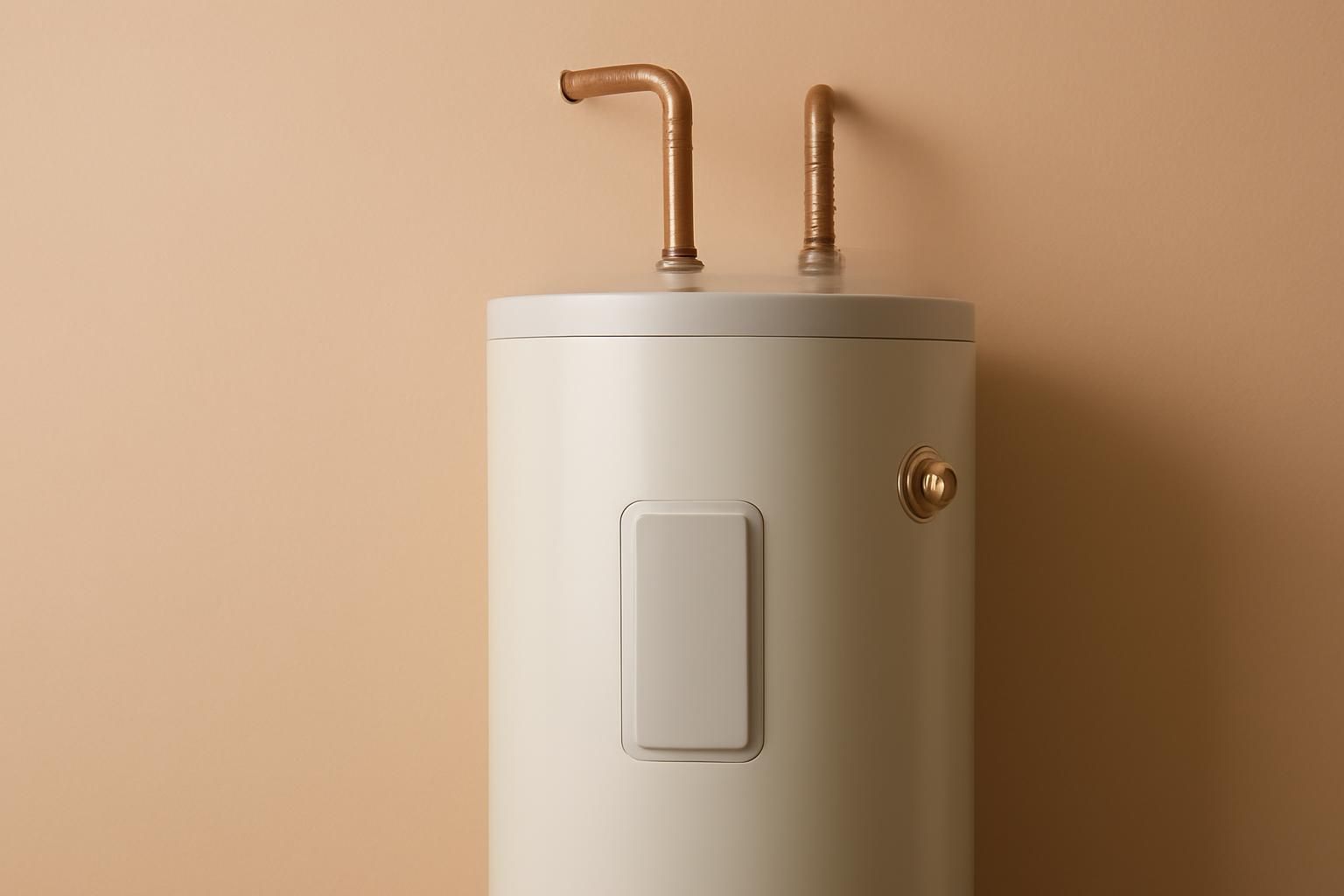
Your water heater probably isn’t something you spend much time thinking about. It sits quietly in the background, doing its job while you get on with yours. As long as there’s hot water for your morning shower and the dishes get washed without a fuss, what’s there to worry about? Unfortunately, it’s often only when the water suddenly turns cold that homeowners remember just how much they rely on this hardworking appliance.
The good news is that keeping your water heater in decent shape doesn’t have to become another complicated household chore. A little attention throughout the year, combined with regular professional maintenance, can help you avoid those unpleasant surprises.
Once a Year Is a Good Starting Point
For most households, scheduling a professional water heater inspection once a year is a sensible approach. Even when everything seems to be working perfectly, small problems can develop behind the scenes, gradually affecting performance without giving you much reason to suspect anything is wrong, such as leaks, corrosion, and sediment buildup. Rather than waiting until something breaks, arranging routine maintenance with an experienced provider like Mauzy gives you an opportunity to address those smaller concerns before they become more expensive problems. It also means having someone assess the overall condition of your water heater, so you’re not left guessing whether it’s likely to keep up with your household’s needs.
Give It a Quick Look Every Month
Although professional servicing is important, you don’t need to leave everything until your annual appointment. Getting into the habit of visually checking your water heater once a month can help you spot anything unusual while it’s still manageable. There’s no need to start dismantling anything or pretending you’ve suddenly become a plumbing expert. Simply look around the unit for signs of moisture, rust, or visible damage. Pay attention to any unfamiliar sounds, too, particularly popping or rumbling noises that could indicate sediment collecting inside a tank.
These quick checks take very little time, but they can make a difference. If something doesn’t look or sound right, it’s worth having a professional investigate rather than waiting for the problem to announce itself more dramatically.
Older Water Heaters Deserve Extra Attention
As water heaters age, they naturally become more vulnerable to wear and tear. Traditional tank models often last around 8 to 12 years, although their lifespan depends on water quality, maintenance, and everyday usage. If yours is approaching that age, keeping a closer eye on its performance makes sense. Water that takes longer to heat, fluctuating temperatures, or a noticeable reduction in hot water availability can all suggest the system is struggling.
Rather than automatically replacing an older unit, arrange an inspection to understand its condition. Sometimes a repair is worthwhile, while in other cases, replacement may prove more economical.
Don’t Wait for Your Next Scheduled Check
Of course, maintenance schedules are helpful only when you remain flexible. If your water heater starts leaking, producing discolored water, or struggling to maintain a consistent temperature, there’s little point in waiting several months for its next inspection. The same applies if your energy bills unexpectedly increase and you suspect the water heater may be contributing. Getting unusual behavior checked promptly can prevent a minor issue from developing into something much more disruptive.
A Little Attention Goes a Long Way
Water heater maintenance might not be the most exciting thing on your household to-do list, but it’s certainly one of those jobs you’ll be glad you remembered. With a yearly professional service, simple monthly visual checks, and a little extra care as the unit gets older, you can give your system a better chance of running reliably. After all, hot water is one of those everyday comforts that’s easy to take for granted. Keeping it that way is well worth a few minutes of attention.
