


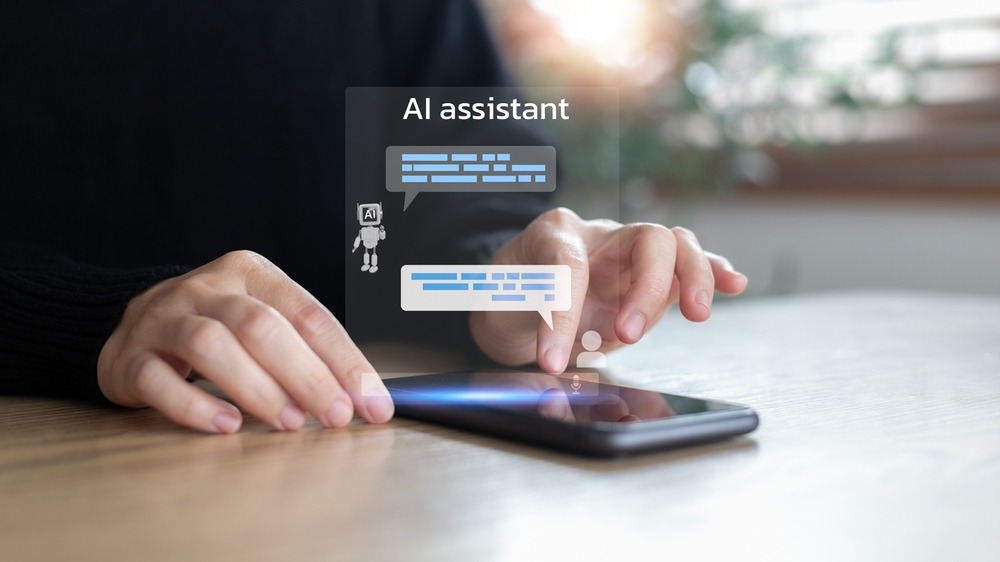
AI has moved from labs to palms. With Apple Intelligence, Google Gemini, and Samsung’s Galaxy AI now built into phones, what used to be a voice tool has become a full personal assistant that plans, predicts, and acts for you.
These helpers have changed how people live, blending ease, speed, and smart use into one sleek device. With new technology shaping the field, the rise of mobile AI shows no sign of slowing. As we look closer, it’s clear these tools are not just add-ons but the next big step in how people live, work, and play.
Key advantages of AI assistants in mobile phones
AI assistants are built to make daily life simple. They can set alarms, check the weather, or send a text while you drive. They help you plan, remember, and stay on time. Many phones now have smart tools that learn what you do most and act on it.
What used to take several taps now happens in one phrase. For instance, Google’s new Gemini can run tasks across many apps with one command. It can send a message, make a note, or book a ride without you needing to open an app.
AI also helps with things like voice search and maps. You can say, ‘Find the fastest route’, and it’ll give live traffic updates or shift routes if a road is blocked. The same tech can handle updates or alerts from your leisure apps, too. The aim is one clear thing: make life on your phone faster, easier, and hands-free.
How AI enhances user experience
Smart tech is built to learn about you as it observes your patterns: which apps you open, when you open them, and what you might need next. It could show your morning news, next meeting, or the song you play most before you even ask. This insight turns your phone from a simple tool into a smart companion that learns and adapts to you.
Voice tools help those with sight or motion issues to text, call, or use apps. That’s why Samsung’s Galaxy AI suite, now used by over 400 million devices, has seen such wide growth. It offers features like Live Translate and Photo Assist, tools that help users talk, type, or edit. AI can even give you smart shortcuts to your go-to apps, from notes and chat tools to fun ones like Casino Days India.
AI and productivity: Changing how we work on the go
The link between AI and work is tighter than ever. Many people now use their phones as office tools, and AI plays a big part in that. Assistants can check emails, set calls, or track tasks by voice. You can say, ‘Remind me to send the report’, and it’s done.
AI tools like those in Perplexity Assistant, now live on Android, can book dinners, take notes, or even request rides. They can do this in 15 languages, helping users who work or travel across the globe. For workers, this means less time on small jobs and more time on the big ones. Whether you’re on the train or in a café, your AI is a quiet helper that keeps things in line.
Beyond voice commands: The next wave of AI
The next leap for AI on phones goes past simple talk. Google’s Gemini is a prime sign of this change; it uses multimodal AI that blends words, images, and data to act with a deeper sense. Soon, AI won’t just reply, it’ll know what you mean and plan steps on its own.
This shift signals a future where mobile AI isn’t just a tool—it becomes part of everyday life. As smartphones grow smarter, they’re not only saving time but helping users think, work, and create more efficiently.