


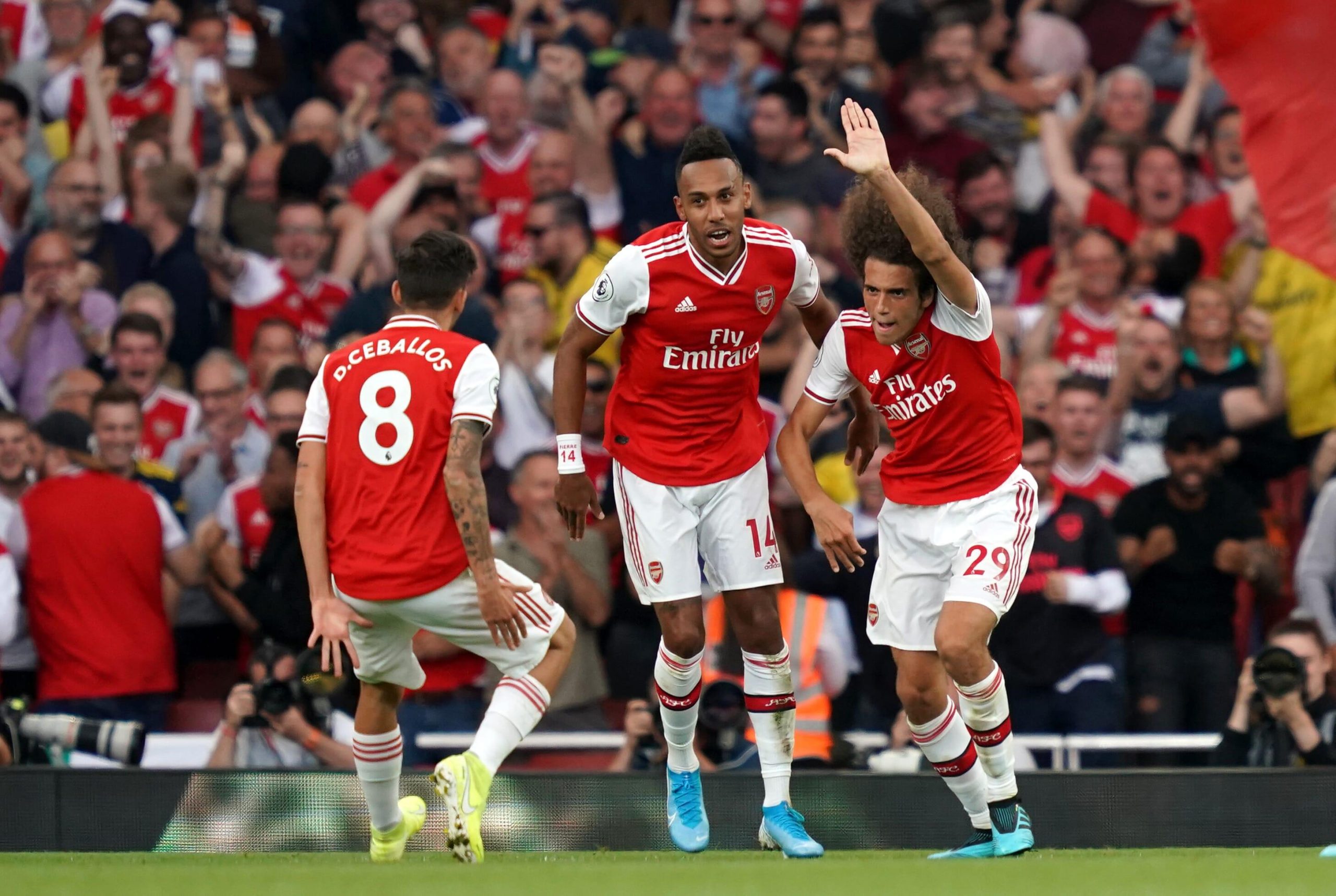
The importance of player lineups before a football match cannot be overstated. Lineups are the backbone of every tactical plan, and knowing who is starting determines how a team will perform, adapt, and compete. This information doesn’t just matter to coaches—it directly affects analysts, bettors, and anyone seeking to predict match outcomes with accuracy.
Lineup data provides context that statistics alone cannot. It tells you if a team is deploying its best possible version or operating with limitations due to injuries, suspensions, or rotation. Understanding the pieces on the pitch sets the foundation for evaluating everything that follows in the game.
Fundamental Elements of Player Information Before a Match
Player data is more than a list of names—it includes physical condition, role clarity, and team hierarchy. A player’s physical status, whether fully fit or just returning from injury, impacts their effectiveness and the coach’s tactical confidence.
Positional roles also matter. A player listed as a midfielder could operate as a defensive anchor, a playmaker, or a box-to-box engine. Each variant influences the team’s setup. Furthermore, individual importance within the squad hierarchy—like captaincy or match-winning history—adds weight to their presence or absence.
Types of Player Data Coaches and Analysts Prioritize
Coaches and analysts dive into granular data like training load, muscle fatigue indicators, and previous injuries. Load management—especially in congested fixtures—guides decisions on who starts or sits.
Injury reports, both official and speculative, impact preparation. Tactical suitability is also critical; a winger who thrives in open spaces might struggle against low blocks. Analysts pay close attention to these traits when forecasting match dynamics.
These data points are interconnected. A striker may be physically ready but tactically unsuitable for a defensive opponent, meaning lineup decisions are rarely one-dimensional.
Tactical Impact of Player Availability on Match Strategy
Lineup choices often dictate the entire match plan. When a creative midfielder is unavailable, the team may shift from a possession-based style to a more direct counterattack. The absence of a defensive midfielder might force the team into a conservative shape with two holding players.
Conversely, the return of key players enables more complex patterns and proactive pressing systems. Coaches craft strategies around player strengths, and when those players are missing, the system must adapt.
Key Positions That Influence Tactical Adjustments the Most
Certain positions act as tactical pivots. The defensive midfielder (DM) is often the lynchpin for balance, shielding the backline while distributing forward. Without them, teams risk being overrun centrally.
Centre-backs (CBs) control defensive shape and aerial battles. A missing CB can force a shift to a back three or more cautious fullback roles. Playmakers dictate tempo, and without them, teams may lose creativity. Strikers provide goal threats, and their absence often leads to fewer attacking risks and lower expected goals (xG).
These positional dependencies underline how lineups alter a team’s identity.
Statistical Changes Caused by Different Lineup Configurations
Player selection shapes metrics like possession percentages, xG, and transition speeds. A midfield trio with technical players tends to increase possession and pass completion, while a lineup missing these attributes often results in direct play and fewer controlled sequences.
Defensive solidity is similarly affected. A makeshift backline typically concedes more shots, drops deeper, and suffers under pressure. Teams with full first-choice defenses can press higher and recover possession more effectively.
Statistical shifts caused by lineups are not random—they reflect deeper tactical adjustments in response to available personnel.
Assessing Individual Player Readiness and Match Fitness
Fitness isn’t binary. Analysts must evaluate multiple indicators such as minutes played in recent matches, time since last full appearance, and reports from training. A player returning after two months may need time to regain rhythm, regardless of medical clearance.
Psychological readiness is another factor. A player facing their former club or under media scrutiny might perform differently. Coaches weigh mental state alongside physical metrics.
Indicators of High-Impact Players Before Kickoff
Some players can alter a match’s course even if not fully fit. Indicators include sudden spikes in form—such as goals or assists over the last three matches—or exceptional performances in clutch moments.
These high-impact players might not always be the stars. A substitute with a knack for late goals or a defensive specialist tasked with shutting down key threats can be equally decisive. Recognizing them helps bettors anticipate shifts not yet reflected in odds.
How Player Updates Influence Betting Markets and Odds Movements
News of player availability has immediate ripple effects on betting lines. When a star striker is ruled out, over/under lines often drop. If a defender returns from injury, the opponent’s goal odds may lengthen.
These movements are especially noticeable in live betting and sharp markets. Even whispers of lineup changes—before official confirmations—can shift odds dramatically. Professional bettors monitor team news closely, especially in the hour before kickoff.
Injury updates, tactical rotations, and training ground reports all become valuable data in predicting line movement and market reactions.
Strategies for Using Player Information to Guide Betting Decisions
To turn lineup insights into betting decisions, follow a step-based approach:
- Monitor official sources – Start with club announcements and trusted journalists.
- Cross-reference training updates – A player returning to full training midweek often signals match readiness.
- Check matchup implications – Assess how a lineup affects head-to-head dynamics.
- Compare odds shifts – If the odds haven’t adjusted to lineup news yet, there may be value.
- Bet selectively – Focus on markets where lineup impact is most direct: goals, win margin, or total shots.
Well-timed bets based on reliable player news often provide a sharper edge than generic statistical models.
Additional Resources for Player Updates and Match Insights
Several tools help track player availability in real time. Injury trackers like PhysioRoom and Transfermarkt offer timelines and return projections. Lineup predictors from football analytics sites combine historical tendencies and coaching patterns to estimate starting XIs.
Tactical previews, especially those from former coaches or analysts, offer rich insights on how teams will adapt to lineup changes. If you want to explore more football analysis and match insights, visit แทงบอลออนไลน์ UFABET, which offers comprehensive coverage of sports, entertainment, and betting services.
Summary
Player lineups are more than just a matchday formality—they shape tactics, influence statistics, and move betting markets. Understanding physical condition, tactical roles, and readiness empowers smarter decisions across the board.
From identifying key absences to recognizing statistical trends and interpreting betting odds, lineup knowledge is essential. With the right tools and a disciplined approach, readers can use this information to make better predictions and gain an edge in both analysis and wagering.
Make lineup monitoring a core part of your match preparation—and you’ll see the game through a more strategic lens.
