


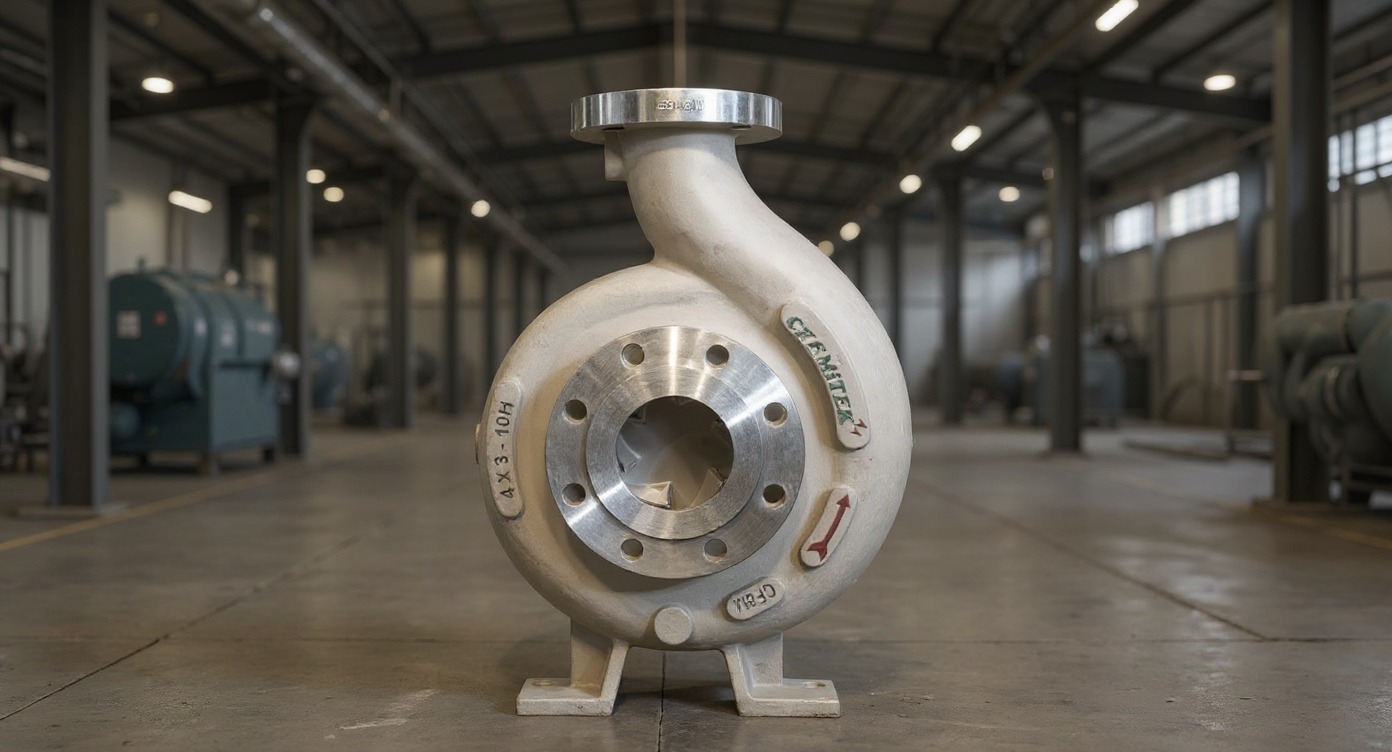
Handling acids in an industrial plant is stressful for any reliability team. Acids attack metal fast. They weaken casings, destroy seals, and disrupt flow. A single mistake in material selection can trigger early failure. This is why choosing the right stainless steel pump for acid duties becomes a critical decision for maintenance heads and process engineers.
Many plants assume stainless steel will survive any acidic fluid. But stainless steel responds differently to each acid, temperature, and concentration. The wrong grade wears out early. The right grade lasts for years. Chemitek designs stainless steel pumps with this reality in mind. Each pump matches actual operating chemistry, not assumptions. This protects uptime and extends equipment life.
Acid Handling Pumps Need More Than Standard Stainless Steel
The Real Challenges of Acid Transfer in Modern Plants
Acid systems have changed. Many industries now use stronger chemicals. Cleaning cycles include harsher agents. CIP systems run at higher temperatures. Acids also come with impurities that change reaction behaviour.
These conditions damage pumps faster than before. Even small errors in grade selection can lead to severe pitting. Reliability teams know the impact well:
- Reduced flow
- Higher power use
- Frequent seal failures
- Casing thinning
Modern acid handling needs precision. Not just any stainless steel.
Why Many Stainless Steel Pumps Fail in Acidic Systems
Most failures happen because the grade does not match the acid. For example, standard stainless steel struggles with high-chloride acids. It loses its protective layer. Pitting begins in days.
Other issues include:
- Poor surface finish
- Rough hydraulics creating turbulence
- Incorrect seal materials
- Inconsistent casting quality
These problems speed up corrosion. Pumps lose efficiency early.
Understanding Stainless Steel Performance in Acidic Environments
How Different Grades Respond to Acids
Each stainless steel grade behaves differently when exposed to acid. Chemitek studies this before suggesting a solution.
| Grade | Strength in Acid Use | Best Use Case |
| CF8M | Good general corrosion resistance | Mild acids, mixed chemical cleaning |
| CF3M | Better chloride resistance than CF8M | Food, pharma, CIP chemicals |
| Duplex | High strength and high chloride resistance | Brine acids, seawater acids |
| Super Duplex | Strongest resistance to chlorides | Harsh acids and high temperature |
Chemitek chooses grades based on real fluid chemistry, not generic data.
Common Corrosion Modes Seen in Acid Handling
Acids attack metal in different ways. The most common include:
- Pitting: Appears in chloride-rich acids.
- Crevice corrosion: Found under gaskets and fasteners.
- Stress corrosion: Occurs in areas with vibration and heat.
- Intergranular attack: Triggered during unstable heat cycles.
Understanding these modes helps Chemitek design pumps that last longer.
Key Design Features Required in a Stainless Steel Pump for Acid
Smooth Internal Hydraulics to Reduce Pitting
Hydraulics matter. Rough surfaces increase turbulence. Turbulence causes micro-pitting. Micro-pitting grows into deep corrosion.
Chemitek ensures:
- Smooth flow paths
- Balanced geometry
- Reduced turbulence zones
These design choices slow down acid attack.
Correct Seal and Shaft Sleeve Materials
Seals fail first when acids are strong. Chemitek selects seals built for acidic vapours and splashes.
Common materials include:
- Ceramic faces
- Silicon carbide
- Viton (for compatible acids)
- PTFE options
Shaft sleeves use corrosion-resistant alloys for longer seal life.
Balanced Impeller Construction
Acid exposure stresses impeller vanes. Unbalanced impellers wear faster. Chemitek uses strong castings and precise machining to maintain shape.
This prevents:
- Vibration
- Premature seal failure
- Uneven wear
Balanced impellers protect the entire pump structure.
How Chemitek Engineers Stainless Steel Pumps for Acid Applications
Metallurgy Selection Based on Actual Acid Chemistry
Chemitek never chooses a material by assumption. The team studies:
- Acid concentration
- Fluid pH
- TDS levels
- Temperature range
- Solids present
- Cleaning chemicals
Once the real chemistry is known, the correct stainless steel grade is selected.
Casting Quality That Reduces Weak Points
Many corrosion issues start from poor castings. Chemitek uses one-piece castings to avoid crevice points and weak joints.
This improves:
- Surface finish
- Structural strength
- Durability under acid exposure
High-quality castings ensure long-term reliability.
Surface Treatment and Coating Options
Some acids are too aggressive for metal alone. Chemitek adds protective layers when needed.
Options include:
- Polymer coatings
- Epoxy barriers
- High-build linings
These protect the casing and impeller from direct acid contact.
Chemitek’s Stainless Steel Pump Range for Acid Duties
When to Choose CF8M or CF3M
These grades work well for:
- Mild acid systems
- Food industry cleaning chemicals
- Pharma CIP cycles
- General industrial wash chemicals
CF3M has better chloride resistance, making it suitable for more aggressive acids.
When Duplex or Super Duplex Is Required
These grades shine in harsh acidic environments.
Choose Duplex or Super Duplex when handling:
- Hydrochloric acid with chlorides
- High-TDS hot acids
- Acidic brine
- Mixed acid streams
They resist pitting better than standard stainless steel.
When PVDF or Non-Metallic Materials Are Better Than Steel
Some acids defeat all stainless steel grades above certain temperatures or concentrations.
PVDF is best for:
- Hydrofluoric acid
- High-purity chemicals
- Specific aggressive acids
- High-concentration acid dosing lines
Chemitek provides stainless steel or PVDF based on actual need.
Industries That Rely on Chemitek for Acid Handling
Chemical Processing
Chemical plants move reactive acids daily. Chemitek pumps handle blended acids, mixed chemicals, and aggressive by-products.
Pharma and Biotech
CIP and SIP agents are strong acids or alkalis. Chemitek pumps survive repeated hot cleaning cycles without pitting.
Food and Beverage
Acidic washdowns and sanitation fluids attack metal surfaces. Chemitek’s stainless steel pumps handle these cycles with ease.
Water Treatment
pH correction uses acids like HCl or alum mixes. Chemitek’s pumps withstand these corrosive dosing chemicals.
Operational Benefits of Using Chemitek’s Stainless Steel Pumps
Longer Service Life Under Acid Exposure
Correct metallurgy and smooth hydraulics extend pump life. Pumps maintain their geometry longer. Corrosion stays under control.
Lower Maintenance and Seal Replacement Costs
Stable shafts and sleeves reduce leak issues. Maintenance teams spend less time replacing seals.
Increased Reliability in Continuous Operations
Chemitek pumps stay reliable at the duty point. They resist pitting and erosion better. This improves uptime and production flow.
Choosing the Right Stainless Steel Pump for Acid Handling
Key Parameters to Check Before Selection
Before choosing a pump, check:
- Acid type
- Concentration
- Temperature
- Flow rate
- Solids content
- Expected cleaning cycles
This ensures correct metallurgy.
How Chemitek Supports Material and Design Selection
Chemitek provides application-specific support. Engineers study fluid chemistry, system layout, and usage patterns. They then suggest the best stainless steel grade.
Conclusion — Stainless Steel Pumps Designed the Right Way Deliver True Acid Resistance
Acid handling requires precision. The wrong stainless steel pump fails early. The right pump stays strong for years. Chemitek understands this and builds pumps that match real industrial acids, not theoretical ones.
By choosing the right grade, improving casting quality, and designing smooth hydraulics, Chemitek ensures stable performance. This protects uptime, reduces maintenance stress, and gives industries long-term reliability.
Chemitek’s stainless steel pumps are built for the acids plants use every day. They hold strength, maintain flow, and stay consistent under harsh conditions. This is why industries trust Chemitek for acid transfer and corrosive applications.
FAQs
1. Which stainless steel grade is best for acid handling?
The best grade depends on acid type, concentration, and temperature. CF8M and CF3M work for mild acids. Duplex and Super Duplex suit harsh acidic conditions with chlorides.
2. Can all stainless steel pumps handle acids?
No. Each grade behaves differently. Some acids attack standard stainless steel fast. Material selection must match the actual acid chemistry.
3. How do I know if my pump is corroding due to acid?
Look for pitting marks, reduced flow, higher power use, seal leaks, or unusual vibration. These signs often indicate corrosion.
4. Why do stainless steel pumps fail in high-chloride acids?
Chlorides damage the protective layer on stainless steel. This leads to rapid pitting and early failure. Correct metallurgy prevents this.
5. Are coatings useful for acid applications?
Yes. Polymer or epoxy coatings protect internal surfaces in severe acid conditions. They extend pump life and reduce wear.
