


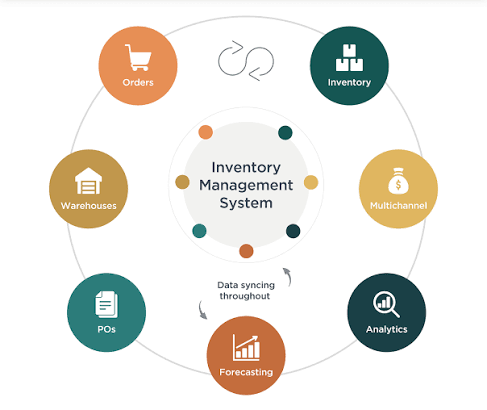
Automated inventory tracking has become an essential component of modern operations, offering businesses a more accurate, efficient, and reliable way to manage stock across every stage of movement. As organizations grow, manual processes often become difficult to maintain, leading to errors, delays, and reduced visibility. Automated solutions provide a structured, technology-driven approach that strengthens daily workflows and supports long term stability. Understanding the benefits of automation helps businesses make informed decisions that enhance performance and improve overall inventory control.
Improved Accuracy Through Real Time Data
One of the most meaningful advantages of automated inventory tracking is the ability to maintain real time data across all locations. Automated systems update stock levels instantly as products move through receiving, storage, and fulfillment. This level of accuracy reduces the likelihood of discrepancies and supports stronger decision making. When teams have access to current information, they can respond quickly to changes in demand, prevent stockouts, and avoid overstocking. Many organizations rely on cloud based inventory management software to ensure that data remains consistent and accessible, creating a more reliable foundation for daily operations.
Greater Efficiency and Reduced Manual Workload
Automation significantly reduces the amount of manual work required to manage inventory. Tasks such as data entry, stock counts, and order tracking become faster and more consistent when supported by automated tools. This efficiency allows employees to focus on higher-value responsibilities, improving overall productivity. Automated workflows also help eliminate repetitive tasks that often lead to errors when performed manually. When processes move smoothly from one stage to the next, businesses experience fewer delays and maintain stronger operational momentum. Reduced manual workload contributes to a more streamlined and dependable inventory environment.
Enhanced Visibility Across Departments and Locations
Automated inventory tracking provides visibility that extends beyond the warehouse. Sales teams, purchasing departments, and leadership all benefit from access to accurate, centralized information. This visibility supports better coordination and helps ensure that decisions are based on reliable data. When inventory information is shared across departments, organizations can anticipate needs more effectively, plan purchasing strategies, and evaluate performance trends. Enhanced visibility also supports multi-location operations by ensuring that each site works from the same information. This level of clarity strengthens communication and contributes to more cohesive workflows.
Stronger Forecasting and Long Term Planning
Accurate forecasting depends on reliable data, and automated inventory tracking provides the insight needed to evaluate trends and anticipate future needs. Automated systems generate detailed reports that highlight movement patterns, seasonal fluctuations, and purchasing behavior. This information helps businesses plan more effectively, reducing the likelihood of excess inventory or unexpected shortages. Strong forecasting also supports long term growth by helping organizations align inventory strategies with broader business goals. When planning is based on consistent, accurate data, businesses maintain greater stability and confidence in their operational direction.
Conclusion
Automated inventory tracking supports improved accuracy, greater efficiency, enhanced visibility, and stronger forecasting. When businesses adopt reliable automated solutions, they gain a more stable operational foundation and a clearer path toward long term growth.