


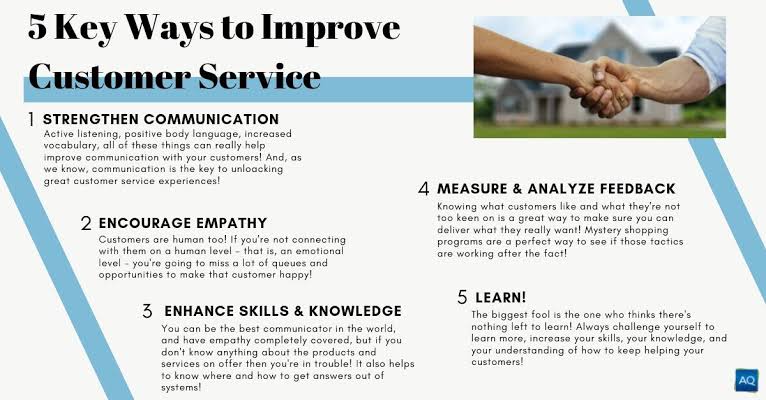
What do your customers actually need? Not just the product they ordered — the whole experience wrapped around it. Customer satisfaction isn’t a single transaction. It’s a full arc: first impression, every follow-up, all the small moments wedged in between. Genuine hard work. It cuts across teams, disciplines, processes. Get it right, and you’ll see it — in reviews, in referrals, in revenue. Five approaches below that can sharpen every touchpoint in that relationship.
1. Listen Actively to Customer Feedback
Your customers see what you can’t. They live inside your product or service from the outside, and that vantage point is genuinely irreplaceable. Seeking their feedback — and actually absorbing it — signals that their opinions carry real weight. Feedback arrives through surveys, direct conversations, reviews, social channels, suggestion boxes. Remove the friction. Make speaking up easy. Complaints roll in? Don’t reflexively chalk them up as one-offs. Check for a pattern first. Could be a recurring flaw hiding in plain sight. And when their input actually changes something? Tell them. That loop — listen, act, report back — is what builds durable trust.
2. Streamline Your Communication and Response Time
Slow responses bleed loyalty. Period. Someone reaches out — question, complaint, whatever — and they want acknowledgment fast. Full resolution can come later. That’s fine. But fast acknowledgment? Non-negotiable. Spell out what to expect on every channel: email, phone, live chat, social. Your people need the training to handle inquiries without customers feeling passed around like a hot potato.
Transparency matters here too. Tell customers what happens next. Give them a timeline. Uncertainty curdles into frustration quickly, and frustration curdles into churn. Businesses juggling high inquiry volumes across multiple time zones often turn to an outsource Philippines call center solution to keep response times tight without burning out internal staff. Audit your communication processes regularly. Hunt for the bottlenecks. Kill them. Track average response times as a real operational metric—set benchmarks and hold people accountable.
3. Personalize the Customer Experience
Generic feels like indifference. Customers notice when every interaction gets the same cookie-cutter treatment, and they absolutely remember when it doesn’t. Personalization is simpler than it sounds: use what you already know. Past purchases, stated preferences, prior issues — all of it signals you’re paying attention. Use their name. Recommend things that actually fit their history. Reference what they’ve brought up before. Small gestures stack. When someone feels seen as a person rather than a ticket number, an emotional connection forms — and that connection drives loyalty, drives referrals. Honestly? Elaborate technology isn’t required. Thoughtfulness travels surprisingly far on its own.
4. Train Your Team to Prioritize Customer Service Excellence
Your customer interactions are only as good as the people handling them. Skills matter. Product knowledge matters. But attitude matters just as much — and attitude gets shaped by how you train and support your staff. Thorough training means your team understands not just what you sell, but how to build something exceptional around it. Give them room to make sensible judgment calls that favor the customer, rather than hiding behind rigid policies that frustrate everyone. Keep training current too. New products, shifting procedures, evolving best practices — sharpness requires maintenance. One more thing: workplaces where employees feel genuinely valued tend to produce noticeably better customer interactions. Recognize outstanding service. Reward it. The standards hold themselves up from there.
5. Measure and Continuously Improve Your Satisfaction Metrics
You can’t fix what you won’t measure. Customer satisfaction scores, net promoter scores, customer effort scores — each one reveals a different slice of the experience. Review them consistently. Are your efforts actually landing? Are customers noticing a difference? Benchmark against your own past performance rather than obsessing over competitors — that keeps focus where it belongs: real progress within your own operation. When scores slip or a problem area surfaces, you’ve got data guiding the response. Not guesswork. Not gut instinct. Data. That’s what makes improvement targeted rather than scattershot.
Conclusion
Customer satisfaction has no finish line. It runs across multiple dimensions simultaneously — and continuously. The five approaches here build a practical framework: hear customers out, respond quickly and honestly, treat them as individuals, develop your team’s capabilities, and measure what’s working. These things reinforce each other. Satisfied customers become loyal ones. Loyal customers become advocates — repeat buyers, word-of-mouth referrals, the kind of durable support that carries a business through the long haul. Every investment in customer satisfaction today pays back through retention, lower churn, and growth that actually sticks.
