


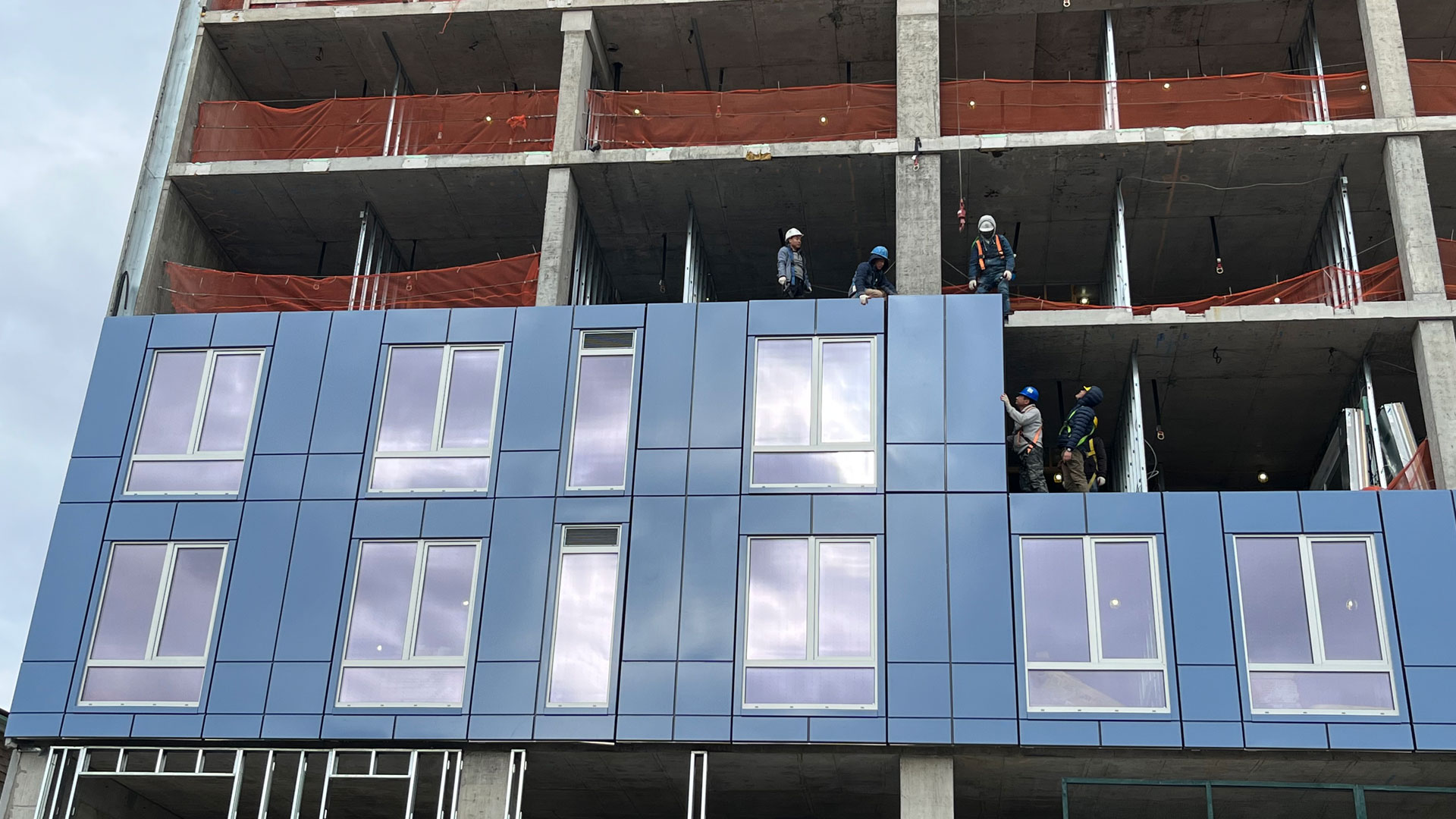
Buildings today are expected to do far more than simply provide shelter. They must be energy efficient, durable, visually appealing, and capable of withstanding increasingly unpredictable weather conditions. One of the most important yet often overlooked components that makes all of this possible is the building’s exterior system. From cladding and insulation to weather barriers and structural facades, exterior systems play a critical role in overall performance and longevity.
Understanding how these systems work—and why quality installation matters—can help property owners, developers, and facility managers make smarter long-term decisions about their buildings.
Understanding Exterior Building Systems
Exterior building systems refer to the integrated set of components that form the outer shell of a structure. These systems typically include wall assemblies, insulation layers, moisture barriers, air sealing mechanisms, and exterior finishes such as siding, panels, or masonry.
Rather than functioning as separate parts, these elements are designed to work together as a unified system. The goal is to create a protective envelope that regulates temperature, prevents water intrusion, and supports structural integrity.
Modern exterior systems are engineered to address multiple performance needs simultaneously:
- Thermal regulation to maintain interior comfort
- Moisture resistance to prevent mold and structural damage
- Air tightness for energy conservation
- Structural protection against wind and impact loads
When properly designed and installed, these systems significantly extend the lifespan of a building while reducing maintenance costs.
Why Exterior Systems Impact Energy Efficiency
Energy efficiency is one of the most important considerations in contemporary construction, especially as utility costs rise and sustainability standards become stricter. Exterior systems are a major driver of a building’s energy performance because they form the barrier between indoor conditioned spaces and outdoor environmental conditions.
A poorly designed exterior envelope allows heat to escape in winter and enter in summer, forcing HVAC systems to work harder. In contrast, a well-constructed system minimizes thermal bridging and air leakage.
Key components that improve energy efficiency include:
- Continuous insulation layers that reduce heat transfer
- High-performance air barriers that prevent drafts
- Reflective exterior materials that reduce solar heat gain
- Properly sealed joints and transitions between materials
Over time, these improvements translate into lower energy bills, reduced carbon emissions, and a more comfortable indoor environment year-round. For commercial buildings, this can also contribute to better occupancy satisfaction and operational savings at scale.
Durability and Weather Protection
One of the primary purposes of any exterior system is to protect the building from environmental stress. Rain, snow, UV exposure, wind, and temperature fluctuations all place continuous pressure on a structure. Without a properly engineered exterior system, these forces can lead to premature deterioration.
Water intrusion is particularly damaging. Even small leaks can lead to mold growth, insulation failure, and structural rot. That’s why modern exterior systems are designed with multiple layers of defense, including drainage planes, vapor barriers, and water-resistant materials.
In regions with extreme weather conditions, durability becomes even more critical. High-quality exterior systems are tested to withstand:
- Heavy rainfall and prolonged moisture exposure
- Freeze-thaw cycles that cause material expansion and contraction
- High wind loads that can compromise weak installations
- UV degradation that breaks down surface materials over time
By investing in a resilient exterior system, property owners reduce the likelihood of costly repairs and extend the overall life expectancy of the structure.
Design Flexibility and Modern Architecture
Beyond performance, exterior systems also play a major role in architectural design. Modern construction increasingly emphasizes clean lines, mixed materials, and visually dynamic facades. Exterior systems make this level of design flexibility possible while still maintaining structural integrity and performance standards.
Architects and builders can choose from a wide range of materials, including metal panels, fiber cement, composite cladding, and engineered stone. These materials can be combined in creative ways to achieve specific aesthetic goals without compromising durability.
In addition, advanced exterior systems allow for:
- Seamless integration of windows and structural openings
- Custom textures and finishes for branding or visual identity
- Modular construction techniques for faster installation
- Compatibility with sustainable building certifications
This combination of form and function is one of the reasons exterior systems have become such a central focus in both commercial and residential development.
Choosing the Right Contractor or System Provider
Selecting the right provider for exterior system installation is just as important as choosing the materials themselves. Poor installation can undermine even the highest-quality system, leading to performance issues and expensive repairs down the line.
When evaluating a contractor or systems provider, consider the following:
- Proven experience with similar building types and scales
- Knowledge of local building codes and environmental conditions
- Use of high-performance, tested materials and systems
- Strong portfolio of completed exterior projects
- Clear installation process and quality assurance practices
Working with a specialized provider ensures that all components of the exterior system are properly integrated and optimized for long-term performance. For those exploring professional services and solutions in this space, it can be helpful tovisit Exterior Systems Construction to learn more about how expert installation and system design can support durable, efficient building envelopes.
Conclusion
Exterior systems are one of the most critical yet underappreciated elements of modern construction. They influence everything from energy efficiency and weather resistance to architectural design and long-term maintenance costs. As buildings become more complex and performance expectations continue to rise, the importance of well-engineered exterior systems will only grow.
Whether for residential developments or large commercial structures, investing in a properly designed and installed exterior system is ultimately an investment in the building’s future performance, safety, and value.
