


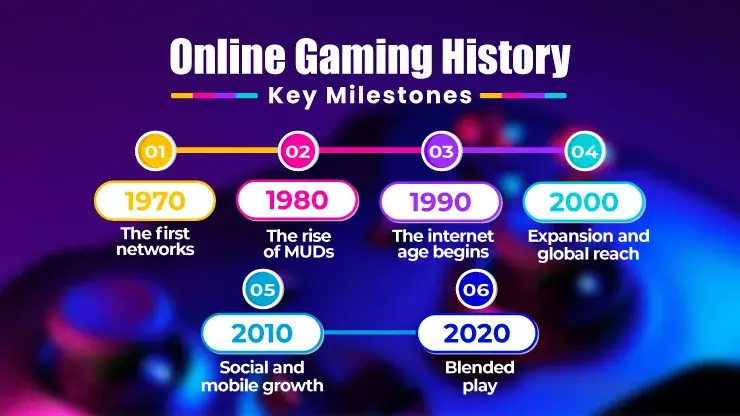
The online gaming industry has experienced remarkable growth over the past decade. Advances in technology, improved internet accessibility, and changing consumer preferences have transformed how people interact with digital entertainment. Among the many names that appear within discussions of online gaming platforms, dash88 is often mentioned as part of the broader conversation surrounding modern gaming experiences and platform development.
Today’s gaming platforms are no longer limited to providing basic entertainment. They are becoming comprehensive digital ecosystems that focus on user experience, security, accessibility, and innovation. As competition increases, platforms must continuously evolve to meet the expectations of increasingly sophisticated users.
The Importance of User Experience
One of the most significant factors influencing the success of any online gaming platform is user experience. Players expect intuitive navigation, responsive design, and seamless functionality across multiple devices. Whether accessing a platform through a desktop computer, tablet, or smartphone, users want a consistent and enjoyable experience.
Modern platforms invest heavily in interface design to ensure that users can easily find games, manage their accounts, and access support resources when needed. Clean layouts and optimized performance help reduce friction and improve overall satisfaction.
As digital audiences continue to grow, user-centered design remains a key priority for platforms seeking long-term success.
Mobile Gaming as a Driving Force
The rise of smartphones has dramatically changed the online gaming landscape. Mobile devices now account for a substantial portion of global internet traffic, making mobile compatibility essential.
Gaming platforms have adapted by developing responsive websites and dedicated applications that deliver high-quality experiences on smaller screens. Features such as touch-friendly controls, fast loading times, and efficient data usage contribute to improved accessibility.
The increasing popularity of mobile gaming demonstrates how technological innovation can reshape consumer behavior. Users now expect entertainment to be available wherever they are, creating new opportunities and challenges for platform operators.
Security and Trust in Digital Entertainment
Security remains one of the most important concerns for both users and platform operators. As online services handle sensitive information, maintaining strong security measures is essential for building trust.
Modern gaming platforms typically implement technologies such as data encryption, secure payment processing, and account verification procedures. These measures help protect user information and reduce the risk of unauthorized access.
In addition to technical safeguards, transparency plays a crucial role in establishing credibility. Users are more likely to engage with platforms that clearly communicate their policies, security practices, and terms of service.
Trust is not built overnight. It requires a consistent commitment to protecting users and delivering reliable services over time.
The Role of Innovation
Innovation is a defining characteristic of successful digital platforms. The online gaming industry continues to explore emerging technologies that can enhance engagement and create new experiences.
Artificial intelligence, machine learning, cloud computing, and advanced analytics are increasingly being used to improve platform performance and personalize user experiences. These technologies allow operators to better understand user preferences and optimize services accordingly.
Innovation also extends to content development. New game mechanics, interactive features, and immersive environments help keep audiences engaged in an increasingly competitive marketplace.
Companies that embrace innovation are often better positioned to adapt to changing market conditions and evolving user expectations.
Responsible Participation and Industry Awareness
As online gaming becomes more accessible, discussions surrounding responsible participation have become increasingly important. Industry stakeholders, regulators, and consumer advocates continue to emphasize the importance of informed decision-making and balanced entertainment habits.
Educational resources, self-management tools, and awareness initiatives can help users make responsible choices when engaging with digital gaming services. Promoting healthy entertainment habits contributes to a more sustainable and positive industry environment.
Responsible practices benefit both users and operators by fostering trust and encouraging long-term engagement based on informed participation.
Looking Ahead
The future of online gaming platforms will likely be shaped by ongoing technological advancement and changing consumer expectations. Faster internet infrastructure, enhanced mobile capabilities, and emerging technologies such as virtual reality may further transform the digital entertainment experience.
Platforms associated with discussions about innovation, including references such as dash88, reflect the broader evolution occurring throughout the industry. As technology continues to advance, gaming ecosystems will become more sophisticated, personalized, and accessible than ever before.
Conclusion
The online gaming industry continues to evolve through innovation, improved user experiences, and stronger security standards. Platforms operating within this dynamic environment must adapt to changing technologies and consumer expectations while maintaining trust and reliability. By focusing on accessibility, innovation, and responsible participation, the industry can continue to grow and deliver engaging digital experiences for users around the world.