


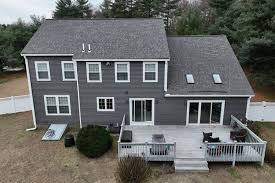
A home’s exterior does more than create curb appeal. It protects the structure, manages water, improves comfort, and helps preserve long-term property value. For homeowners planning repairs or upgrades, the best results usually come from looking at the roof, gutters, siding, and ventilation as one connected system.
Start With the Roof, Not the Paint Color
Exterior projects often begin with visible issues: faded siding, overflowing gutters, missing shingles, or water stains near the ceiling. While cosmetic updates matter, the roof should usually be evaluated first because it protects everything beneath it.
Before investing in exterior improvements, homeowners should look for:
- Missing, cracked, or curling shingles
- Dark streaks, moss, or excessive granule loss
- Soft spots or sagging roof sections
- Water stains in the attic or upper rooms
- Rusted flashing around chimneys, vents, or skylights
- Gutters pulling away from the fascia
Even small roof problems can affect insulation, siding, ceilings, and interior finishes. A professional inspection can help determine whether a repair is enough or whether replacement is the more practical long-term choice.
Think of Gutters as Part of the Roofing System
Gutters are easy to overlook until water starts pooling near the foundation. But gutters and downspouts are essential to the health of the entire exterior. They direct rainwater away from the roof edge, siding, landscaping, walkways, and foundation.
A strong gutter system should move water efficiently without overflowing, leaking, or pulling loose from the home. Downspouts should discharge water away from the structure, not directly beside the foundation.
When planning exterior maintenance, homeowners should check whether gutters are:
- Properly sloped
- Free of clogs and debris
- Securely attached
- Sized correctly for the roofline
- Draining away from the house
In areas with heavy rain or frequent storms, gutter performance can make a major difference in preventing avoidable water damage.
Choose Materials Based on Climate, Budget, and Home Style
Roofing and exterior materials should be selected with more than appearance in mind. A good choice balances durability, maintenance needs, energy performance, and overall design.
Asphalt shingles remain popular because they are versatile and cost-effective. Architectural shingles can provide a more dimensional look and improved durability. Metal roofing may appeal to homeowners looking for longevity, modern style, and strong weather resistance.
Siding choices also matter. The right siding can improve curb appeal while helping shield the home from moisture, wind, and temperature changes. Gutters, trim, soffit, and fascia should complement the roof and siding instead of being treated as afterthoughts.
For homeowners comparing options, resources from experienced contractors such as idealroofingandexteriors.com can provide useful context on roofing, gutters, exterior services, and material considerations.
Plan Projects in the Right Order
Exterior renovations are most efficient when completed in a logical sequence. Doing work out of order can lead to unnecessary costs. For example, replacing siding before addressing roof drainage problems may expose the new siding to the same water issues that damaged the previous materials.
A practical project order often looks like this:
- Inspect the roof and attic for leaks or structural concerns.
- Address urgent roof repairs or replacement needs.
- Evaluate gutters, downspouts, fascia, and soffit.
- Repair or replace siding where needed.
- Finish with trim, paint, accents, and cosmetic upgrades.
This order helps homeowners protect the building envelope before focusing on appearance.
Do Not Ignore Storm Damage
After severe weather, homeowners should inspect the exterior from the ground when it is safe to do so. High winds, hail, falling branches, and heavy rain can cause damage that is not immediately obvious.
Common warning signs include loose shingles, dented gutters, damaged vents, exposed underlayment, and debris impact marks. Interior signs may include new ceiling stains, damp insulation, or musty odors.
Because storm damage can worsen over time, early evaluation is important. This article is informational only and should not be taken as insurance, legal, or construction advice. Homeowners should consult qualified professionals for property-specific guidance.
Work With Contractors Who Communicate Clearly
A good exterior contractor should explain the scope of work, materials, timeline, cleanup process, and warranty details in plain language. Homeowners should feel comfortable asking questions before signing an agreement.
Helpful questions include:
- What materials are being used and why?
- What areas of the home will be protected during work?
- How will cleanup be handled?
- What happens if hidden damage is found?
- Who will supervise the project?
- What warranty information will be provided?
Clear communication reduces surprises and helps the project run more smoothly.
Conclusion
Roofing and exterior updates are not just about improving how a home looks. They are about protecting the structure, managing water, improving performance, and making smart long-term decisions. By evaluating the roof first, treating gutters as part of the system, choosing materials carefully, and working with experienced professionals, homeowners can plan exterior projects with greater confidence.
