


As temperatures rise, homeowners depend heavily on their air conditioning systems to maintain comfort indoors. Yet many people don’t think about their HVAC equipment until the first heat wave arrives and the system struggles to keep up.
Preparing an air conditioning system before peak summer demand can improve comfort, reduce energy costs, and help prevent inconvenient breakdowns. A little preparation goes a long way toward ensuring a home stays cool when outdoor temperatures are at their highest.
Why Summer Places Extra Stress on HVAC Systems
Air conditioners work hardest during periods of extreme heat. Longer run times, higher outdoor temperatures, and increased household cooling demands all contribute to additional strain on system components.
Even a minor issue that goes unnoticed during cooler months can become a significant problem during summer. Components such as capacitors, motors, and compressors must operate efficiently to keep indoor temperatures consistent.
When equipment is already under stress, any weakness in the system becomes more apparent. That’s why preventative preparation is often more effective than reactive repairs.
Start with the Basics: Air Filter Maintenance
One of the simplest yet most important HVAC maintenance tasks is replacing or cleaning air filters.
Dirty filters create airflow restrictions that force the system to work harder. Reduced airflow can lead to:
- Higher energy consumption
- Uneven cooling
- Increased wear on components
- Reduced indoor air quality
- Potential system overheating
Many homeowners overlook filter maintenance because it appears insignificant. However, replacing a clogged filter is often one of the fastest ways to improve system efficiency.
Filter replacement schedules vary depending on factors such as household size, pets, allergies, and overall system usage. Checking filters monthly during summer is a good practice.
Don’t Ignore the Outdoor Unit
The outdoor condenser unit plays a crucial role in the cooling process. Unfortunately, it is also exposed to leaves, dirt, grass clippings, and other debris throughout the year.
When airflow around the condenser becomes restricted, heat transfer efficiency declines. This forces the system to run longer cycles to achieve desired temperatures.
Homeowners can improve performance by:
- Removing debris around the unit
- Trimming nearby vegetation
- Maintaining adequate clearance around the equipment
- Gently cleaning visible dirt from exterior surfaces
Keeping the outdoor unit clean allows it to operate more efficiently during periods of high demand.
The Importance of Professional System Inspections
While homeowners can handle basic maintenance tasks, professional inspections provide a deeper evaluation of system health.
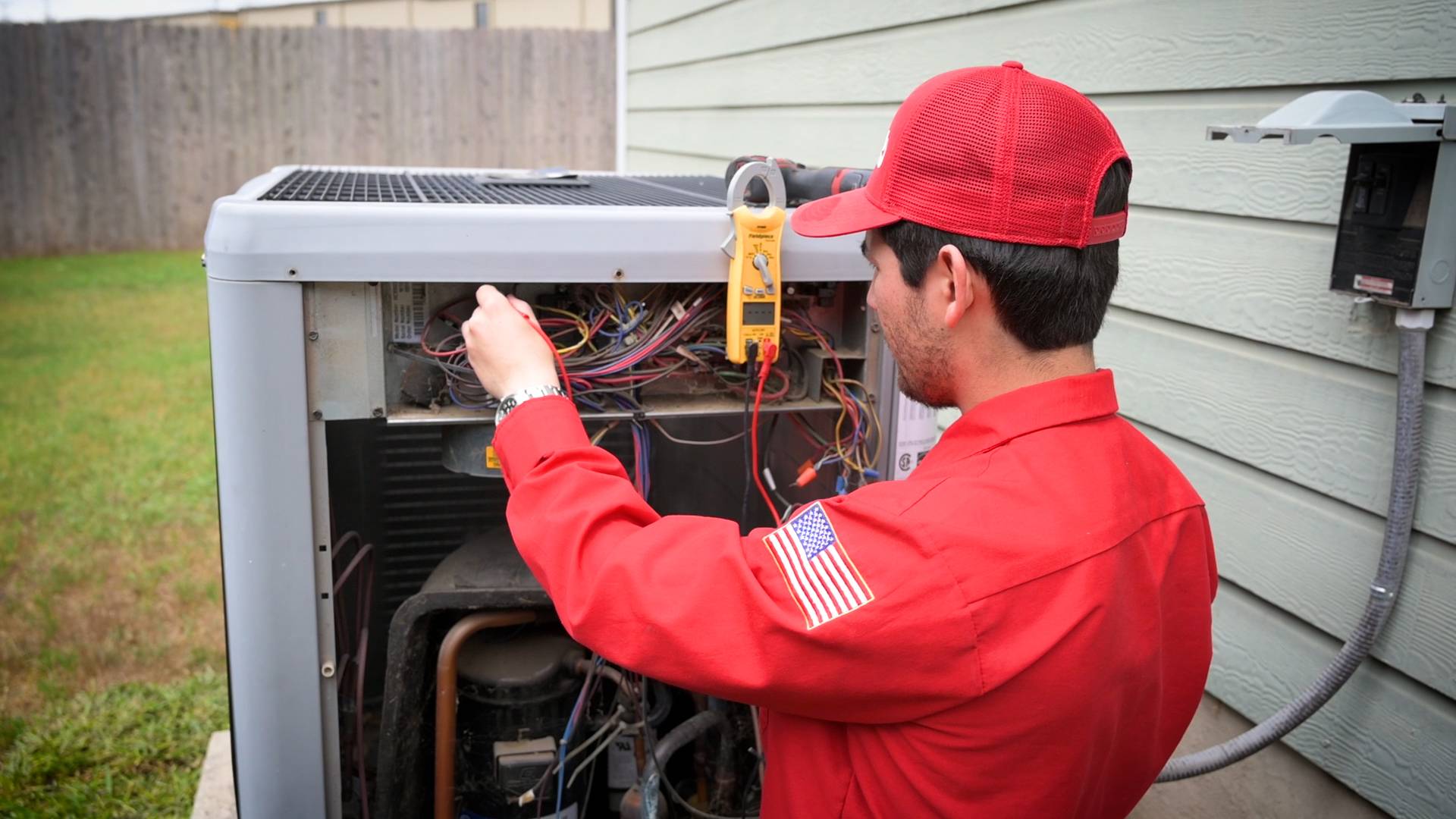
Trained HVAC technicians examine critical components that are not easily accessible or visible. They can identify developing issues before they lead to costly failures.
A comprehensive inspection may include:
Electrical System Checks
Loose electrical connections can reduce efficiency and create safety concerns. Technicians inspect wiring, connections, and control systems to ensure proper operation.
Refrigerant Evaluation
Incorrect refrigerant levels can dramatically affect cooling performance. Low refrigerant may indicate leaks that require prompt attention.
Component Testing
Motors, capacitors, thermostats, and compressors are evaluated to ensure reliable operation throughout the cooling season.
Homeowners seeking dependable maintenance and service solutions often turn to trusted AC repair by Cowboys AC when they want expert support for keeping their cooling systems operating efficiently.
Maximizing Energy Efficiency During Summer
Beyond equipment maintenance, homeowners can take several additional steps to improve cooling efficiency.
Optimize Thermostat Settings
Programmable and smart thermostats help reduce unnecessary energy usage by adjusting temperatures automatically when occupants are away.
Improve Home Insulation
Proper insulation reduces heat transfer into living spaces, allowing the air conditioner to maintain temperatures with less effort.
Use Ceiling Fans Strategically
Fans help circulate conditioned air more effectively, making rooms feel cooler while reducing dependence on lower thermostat settings.
Block Direct Sunlight
Closing blinds, curtains, or shades during the hottest parts of the day can significantly reduce indoor heat gain.
These small adjustments often complement HVAC maintenance efforts and contribute to lower utility costs.
Warning Signs That Shouldn’t Be Ignored
Many homeowners notice symptoms of HVAC trouble but postpone action until a complete breakdown occurs.
Common warning signs include:
- Warm air coming from vents
- Excessive humidity indoors
- Unusual noises during operation
- Frequent cycling on and off
- Weak airflow
- Sudden increases in energy bills
- Inconsistent temperatures throughout the home
Addressing these issues early typically results in simpler and less expensive repairs.
The Long-Term Benefits of Proactive Care
Routine maintenance isn’t simply about avoiding emergencies. It also contributes to long-term financial savings and greater system reliability.
Benefits often include:
- Reduced repair frequency
- Improved energy efficiency
- Extended equipment lifespan
- Better indoor comfort
- More consistent cooling performance
- Lower risk of emergency breakdowns
When homeowners view maintenance as an investment rather than an expense, they often experience better overall HVAC performance throughout the life of their system.
Conclusion
A reliable air conditioning system is essential for maintaining comfort during the hottest months of the year. Preparing equipment before summer arrives can help homeowners avoid unnecessary stress, costly repairs, and rising energy bills.
Simple actions such as replacing filters, cleaning outdoor units, improving efficiency habits, and scheduling professional inspections can make a significant difference. By taking a proactive approach, homeowners can enjoy dependable cooling performance and greater peace of mind throughout the summer season.
