


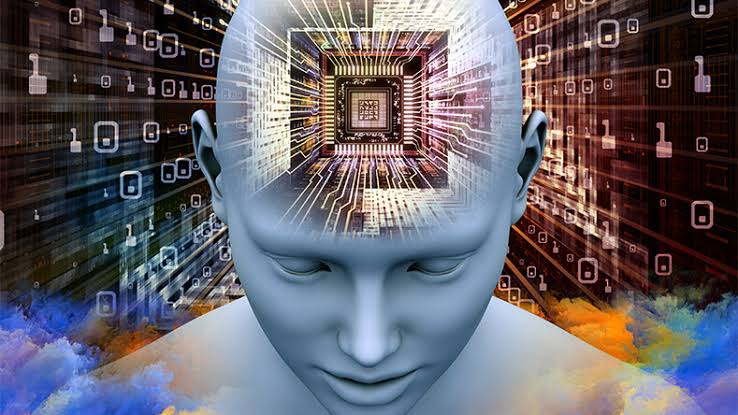
The connection between the human brain and electronic devices has moved beyond the realm of science fiction to become part of advanced technological research. Brain-computer interfaces—also known as neural technology—are being developed to establish direct communication between thoughts and machines, opening up new possibilities for healthcare, accessibility, and digital interaction.
These interfaces operate using sensors capable of capturing electrical signals produced by the brain and converting them into commands that computers can understand. This technology could allow people to control devices simply by intending to perform an action, without relying on traditional physical movements. Advances in this field are particularly significant for individuals with motor impairments, offering them new avenues for communication and autonomy.
Neural technology holds great potential in the medical field. Researchers are exploring ways to use these solutions to aid in motor recovery, improve neurological treatments, and develop equipment capable of enhancing human capabilities. Although still evolving, the integration of brain and machine could transform various medical procedures in the future.
Beyond healthcare, this innovation also influences how people interact with digital environments. The evolution of connectivity has already spawned a vast array of online services—including specialized platforms like 20Bet—demonstrating how technology has expanded interaction possibilities across various areas of the internet.
Another area of application involves virtual and augmented reality. With more advanced neural interfaces, users will be able to enjoy even more immersive digital experiences, controlling virtual environments in a more natural way. This combination of artificial intelligence, sensors, and data processing could create new forms of entertainment, learning, and work.
Despite the opportunities, neural technology also presents significant challenges. Issues regarding the privacy of thoughts, the security of brain data, and ethical boundaries require careful analysis. Since these interfaces handle highly personal information, establishing standards to ensure protection and responsible use will be essential. The development of brain-computer interfaces is still in its early stages, but advances in research point to a future with astonishing possibilities. The union of human intelligence and digital systems could create new forms of communication and expand capabilities that once seemed impossible. Neural technology represents one of the most innovative frontiers of modern science, bringing the human mind ever closer to the realm of intelligent machines.
