


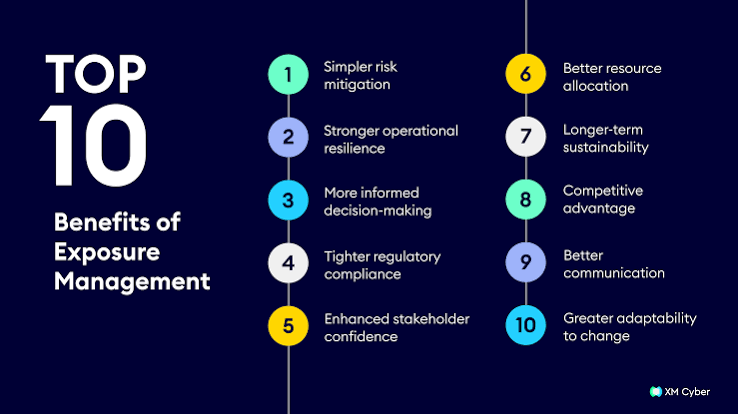
Effective exposure management has become a core requirement for modern security teams. As digital environments expand across cloud platforms, distributed identities, third-party integrations, and hybrid infrastructures, organizations must maintain continuous awareness of where risks emerge and how they evolve. Strong exposure management helps reduce blind spots, strengthen prioritization, and support proactive defense strategies. When security teams refine their processes and adopt more adaptive approaches, they build a foundation that supports long-term resilience and operational confidence.
Strengthening Continuous Visibility Across All Environments
Continuous visibility is one of the most important elements of exposure management. Security teams must be able to see every asset, configuration, identity, and integration across the environment, even as systems change. This includes cloud workloads, on-premises infrastructure, SaaS applications, and unmanaged assets that may appear unexpectedly.
Improving visibility requires consistent monitoring, automated discovery, and tools that can adapt to dynamic environments. When teams maintain a complete and accurate inventory, they reduce blind spots and gain a clearer understanding of where vulnerabilities may emerge. This level of awareness supports faster response times and more informed decision-making.
Prioritizing Risks Based on Business Impact
Not all risks carry the same level of urgency. Effective exposure management depends on the ability to prioritize threats based on exploitability, asset importance, and potential business impact. This approach helps security teams focus their efforts where they will have the greatest effect.
Prioritization becomes even more important as environments grow more complex. Teams must evaluate how a vulnerability interacts with critical systems, sensitive data, or high-value identities. When prioritization is structured and data-driven, remediation efforts become more efficient and aligned with organizational goals. This helps reduce noise and ensures that the most meaningful risks receive attention first.
Improving Collaboration Across Security, IT, and Operations
Exposure management is not limited to the security team. It requires collaboration across IT, cloud operations, development teams, and business units. Each group plays a role in maintaining secure configurations, managing assets, and supporting remediation.
Improving collaboration involves clear communication, shared visibility, and workflows that connect teams rather than isolate them. When departments work together, they can resolve issues more quickly, reduce misalignment, and maintain a more unified approach to risk management. Strong collaboration also helps ensure that exposure management becomes part of everyday operations rather than an isolated security function.
Leveraging Automation to Reduce Manual Workloads
Automation is essential for keeping pace with modern exposure management demands. Manual processes are too slow and too resource-intensive to support continuous monitoring and rapid response. Automation helps teams streamline tasks such as asset discovery, vulnerability scanning, alert routing, and remediation recommendations.
By reducing manual workloads, automation allows security professionals to focus on strategic analysis and decision-making. It also helps maintain consistency across processes, reducing the likelihood of human error. When automation is integrated thoughtfully, exposure management becomes more efficient and more proactive.
Aligning Exposure Management With Organizational Strategy
Exposure management is most effective when it aligns with broader organizational goals. Security teams must understand how risks affect business operations, customer trust, regulatory requirements, and long-term growth. This alignment helps ensure that exposure management supports strategic priorities rather than functioning as a standalone process.
For organizations working toward CTEM mobilization, strategic alignment is especially important. Continuous threat exposure management requires ongoing assessment, prioritization, and action that reflect both technical and business needs. When exposure management is integrated into organizational strategy, teams can make decisions that support resilience and long-term stability.
Maintaining Adaptability as Threats and Environments Evolve
Threats evolve quickly, and exposure points shift as organizations adopt new technologies. Security teams must remain adaptable, updating processes, tools, and strategies as conditions change. This includes evaluating new risks, adjusting prioritization models, and refining workflows to support emerging needs.
Adaptability ensures that exposure management remains effective even as environments expand or become more complex. When teams embrace continuous improvement, they strengthen their ability to respond to new challenges and maintain long-term protection.
Conclusion
Security teams can improve exposure management by strengthening visibility, prioritizing risks, enhancing collaboration, leveraging automation, aligning strategy with organizational goals, and maintaining adaptability. When these practices are applied consistently, organizations gain a more resilient, efficient, and proactive approach to managing modern security challenges.
