


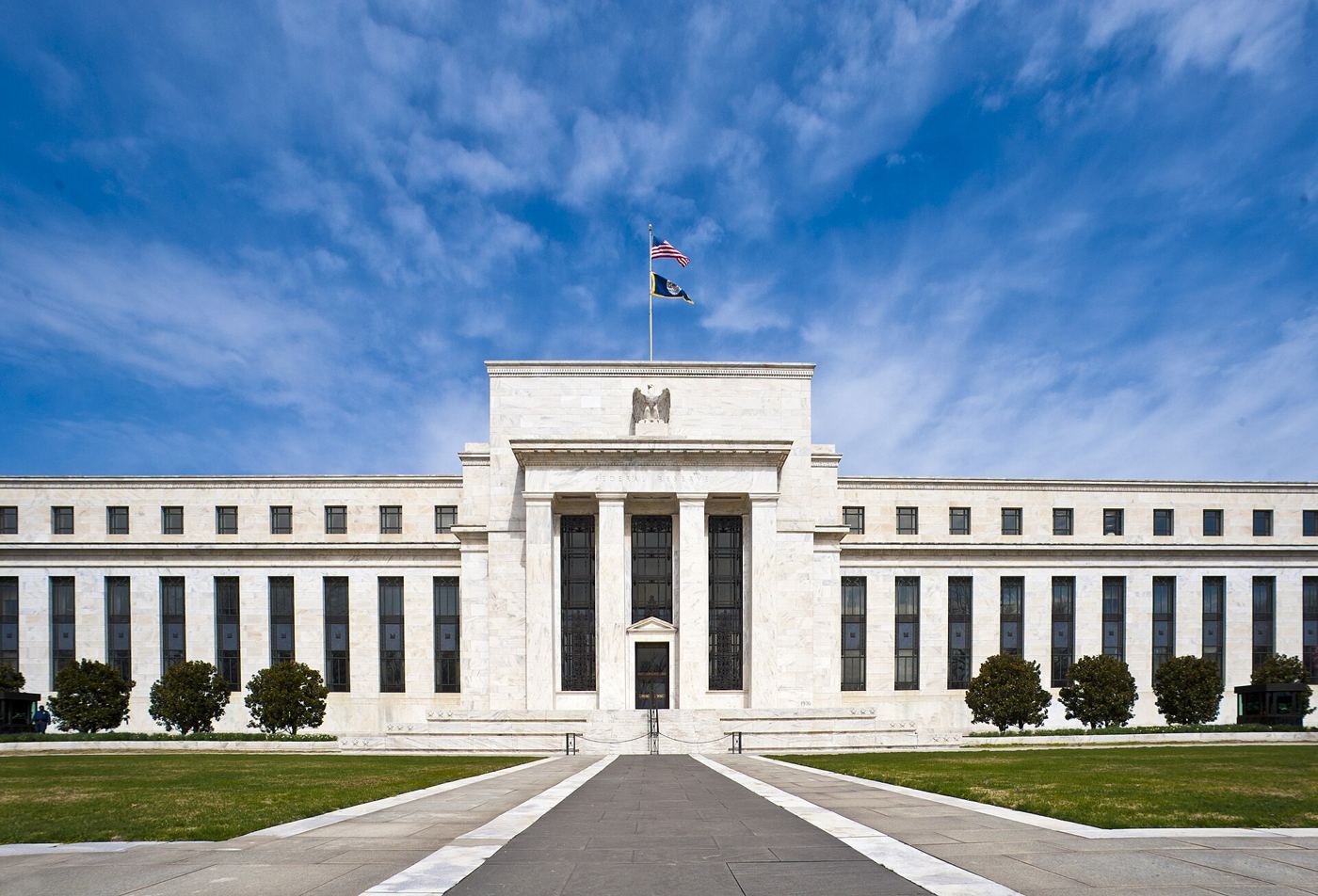
The Federal Reserve has delivered its first interest rate rise in more than three years, and it came from a chairman markets had expected to do the opposite. Kevin Warsh, sworn in as Fed chair on 22 May 2026 after Jerome Powell’s term as chair ended, was widely seen as the candidate who would cut rates, having been chosen by a president who had spent years demanding cheaper borrowing. Instead, on 16 September 2026 the Fed raised its target range by a quarter point to 3.75 to 4 percent, its first increase since July 2023. The move followed months of stubborn inflation and a divided committee, and it forced investors to rethink a year of bets on lower rates. Warsh, confirmed by the Senate by 54 votes to 45, had served as a Fed governor from 2006 to 2011, and his early months in the job have shown a chairman guided more by the data than by the politics around him.
What the Evidence Shows
The September rise matters because it changed the direction of American monetary policy at a moment when households and businesses had been waiting for relief. Higher rates make mortgages, car loans and credit card balances more expensive, and they raise the return on savings, so the decision touches almost every household budget. The Fed then held rates steady at its October meeting, leaving markets guessing about the next gathering on 9 December. Some economists argue the rise was needed to stop inflation becoming embedded, while others worry that tighter policy could slow hiring and growth. For savers and borrowers alike, the lesson is that rate forecasts are fragile, and that even a chairman appointed with one mandate in mind can change course when the numbers point the other way. Watching the December decision is now essential. Reporting and analysis from sources such as International Monetary Fund track the same developments, and specialists following Federal Reserve rate rise say the direction is now consistent across independent lines of evidence.
The Wider Context
The wider context is a financial system repricing risk after a long era of cheap money. Decisions shaped by Federal Reserve rate rise are being made under closer supervisory attention, with stress tests and disclosure rules that assume conditions can worsen quickly. Institutions that planned for the benign case are adjusting in public, which is uncomfortable and healthy in equal measure.
What Happens Next
What happens next with Federal Reserve rate rise will be visible first in the data that professionals watch weekly: flows, spreads and the terms on new deals. Participants who spoke for this article expect a period of adjustment rather than drama, with the biggest effects landing on those who assumed the old conditions were permanent. Planning, as ever, is the cheapest hedge. You can follow related developments in our coverage of finance.
There is a practical lesson in all of this for readers deciding what to do today. Start with the verified facts, be wary of anyone promising certainty, and prefer reversible steps while the evidence is still developing. Circumstances differ by country, income and personal situation, so general guidance should always be weighed against your own context before you act on it in any significant or lasting way.
