



Socolive match schedule pages exist for one reason, which is making sure you never open a stream 20 minutes after kickoff again. That sounds basic until you follow more than 1 competition and realise how easily a midweek fixture slips past you. The page carries more than kickoff times, it also handles reminders, calendar syncing and a weekly view that turns scattered fixtures into something you can actually plan around. Socolive keeps that structure identical for every league, so it works the same whether you follow 1 club or 15.
What every Socolive match schedule entry shows

All the details packed into a single Socolive match schedule listing entry
Each upcoming fixture carries 6 pieces of information, and each one answers a different practical question.
- The kickoff time converted to your local zone automatically, which removes the mental arithmetic that causes most missed matches in the first place.
- The competition and round number, useful because a group stage game and a knockout leg demand completely different expectations from the same 2 teams.
- The venue, which matters more than casual fans assume given how many sides perform like a different team away from home. This is an important detail to check when reviewing Lịch Thi Đấu Socolive, particularly when comparing home and away fixtures.
- Probable lineups where the information exists, usually appearing in the 24 hours before kickoff as press conferences and fitness reports land.
- Broadcast and stream availability, so you know in advance whether you will actually be able to watch or will be following the score instead.
- A status flag showing whether the time is confirmed or still provisional, which is the field people overlook most often.
That final point deserves attention because it saves genuine frustration. Fixtures marked as provisional can and do move, particularly early in a season before broadcasters have finalised their selections. Reading the Socolive match schedule without checking that flag is how people end up planning an evening around a game that shifted 2 weeks earlier.
Reminders and calendar sync in Socolive match schedule
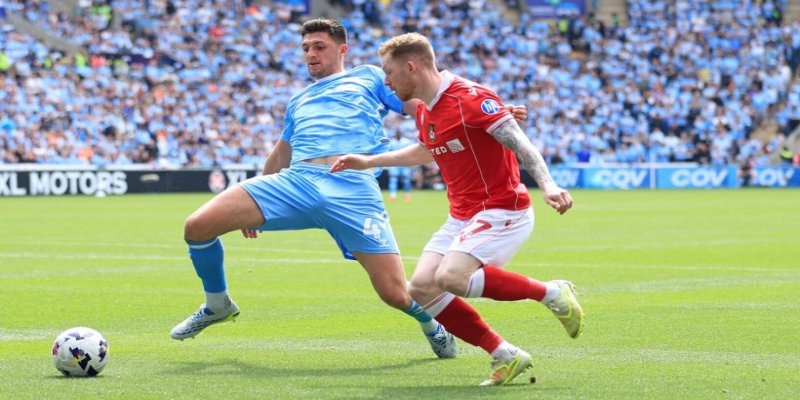
Setting reminders and calendar sync from any Socolive match schedule page
There are 5 ways to make sure a fixture reaches you before it starts rather than after.
- A simple reminder set 30 or 60 minutes ahead, which is enough time to get somewhere with a screen without being so early that you forget again.
- Direct calendar export, which drops the fixture into whatever calendar app you already use alongside the rest of your life.
- Following an entire competition rather than individual matches, which suits anyone who watches a league broadly instead of tracking specific clubs.
- Team based reminders, which catch every fixture your club plays across every competition without you having to add them one by one.
- A bulk mute option for busy periods, genuinely useful during international breaks or congested festive schedules.
Calendar export is the most underrated of the 5. Once a fixture sits in your normal calendar, it competes for your time honestly against everything else in your week, which is far more effective than a notification arriving 30 minutes before a match you already double booked. Socolive generates these entries with the venue and competition attached, so the calendar reminder carries context rather than just 2 team names.
The bulk mute deserves a mention too. Anyone following several clubs will hit weeks where the Socolive match schedule produces more reminders than anyone wants, and being able to quiet the lot for a few days is better than switching everything off permanently and forgetting to turn it back on.
Planning a week with the Socolive match schedule
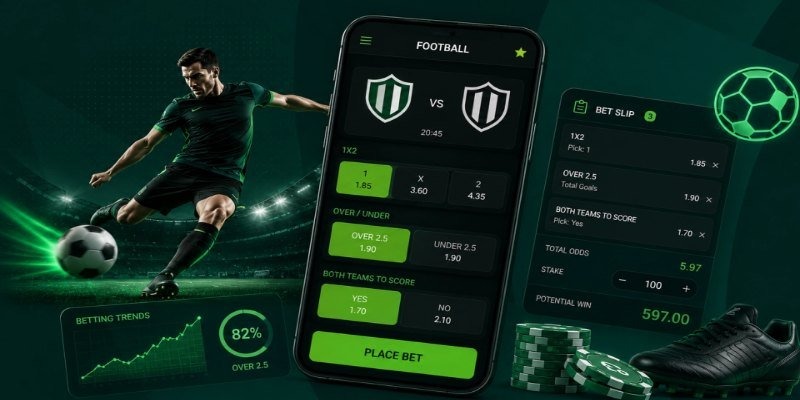
Turning the Socolive match schedule into a workable weekly viewing plan
Football arrives in 3 fairly predictable blocks across a normal week, and planning around them is easier than it looks.
Midweek European nights
Tuesday and Wednesday belong to continental competition for much of the season, and these are the matches most likely to clash with ordinary commitments. Kickoffs land late in Asian time zones, often after midnight, which makes deciding in advance genuinely important. Picking 1 match rather than trying to follow 4 is the realistic approach. The Socolive match schedule shows the full midweek block in a single view, so you can see the clashes before they happen rather than at 2 in the morning.
Weekend domestic blocks
Saturdays and Sundays carry the bulk of the football, with the major European leagues stacked across the afternoon and evening. This is where the weekly view earns its keep, because a flat list of 300 fixtures is useless while a filtered view of the 6 you care about is a plan. Socolive lets you save those filters, so the weekend view rebuilds itself the same way every week without any repeated setup.
International breaks and quiet weeks
Several times a season the club calendar empties out and national team football takes over. These weeks catch people by surprise constantly, usually resulting in someone opening a stream for a league that is not playing. Checking the Socolive match schedule at the start of such a week takes seconds and reframes the whole thing. Quiet periods are also the best moment to tidy your followed teams list and adjust reminder settings, since nothing important is happening while you do it.
Putting the 3 blocks together gives you a workable rhythm. Scan the week on a Monday, decide which midweek game is worth staying up for, then filter the weekend down to something readable. Socolive holds several weeks of fixtures ahead, so the planning window is as long as you want it to be rather than being limited to the next few days.
Conclusion
Socolive match schedule pages do far more than list kickoff times, and treating them as a planning tool rather than a reference changes how much football you actually catch. Check the provisional flag before committing to anything, export the fixtures that matter into your normal calendar, and glance at the week ahead every Monday so midweek clashes never surprise you. Socolive keeps the same layout across every competition and several weeks into the future, which means the habit takes a couple of minutes and then quietly works on its own.
