


Bitcoin has become one of the most widely recognized digital assets in the world. As interest in cryptocurrency continues to grow, traders, investors, and everyday users frequently monitor Bitcoin’s value to understand current market conditions.
Unlike traditional currencies, Bitcoin trades in a global digital market that operates around the clock. Its value can change quickly as buyers and sellers respond to market developments, economic conditions, and changing sentiment.
What Determines Bitcoin’s Value?
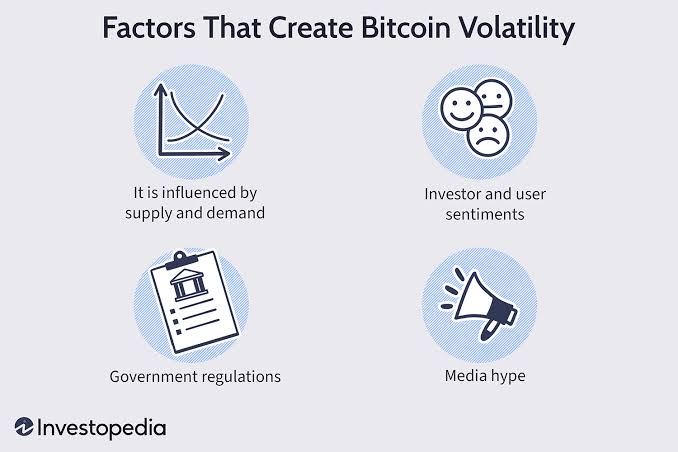
The value of Bitcoin is primarily influenced by supply and demand. When more market participants are willing to buy Bitcoin at higher prices, its value can increase. Conversely, stronger selling pressure can lead to price declines.
Several other factors can affect market demand, including:
- Global cryptocurrency adoption
- Investor sentiment
- Regulatory developments
- Institutional participation
- Economic conditions
- Market liquidity
- News and technological developments
Because these influences can change quickly, cryptocurrency markets can experience significant volatility.
Why Bitcoin Is Different From Traditional Assets
Bitcoin operates on a decentralized blockchain network rather than being issued by a central bank. Its supply is also limited by the rules built into the Bitcoin protocol.
This limited supply is one of the characteristics frequently discussed when analyzing Bitcoin’s long-term market behavior. However, scarcity alone does not guarantee price increases. Demand, market conditions, adoption, and broader economic factors continue to influence its value.
How Traders Monitor the Market
Traders use a variety of tools to understand Bitcoin’s current market conditions. Price charts are among the most common, allowing users to observe historical movements across different timeframes.
Short-term traders may focus on hourly or daily charts, while longer-term participants may examine weekly or monthly trends.
Other commonly observed metrics include trading volume, market capitalization, support and resistance levels, and volatility.
No single indicator can accurately predict future movements, so traders often consider several factors together.
The Role of Trading Volume
Trading volume measures how much Bitcoin is being bought and sold during a specific period. It can provide useful context when evaluating price movements.
For example, a significant price change accompanied by increased trading activity may indicate stronger market participation. A similar price movement with limited volume may provide a different signal.
Volume should therefore be considered alongside other market information rather than used as a standalone prediction tool.
Why Market Sentiment Matters
Investor sentiment can have a major impact on cryptocurrency markets. Positive developments may encourage buying activity, while negative news can increase selling pressure.
Social media discussions, industry announcements, regulatory decisions, and broader economic developments can all influence how market participants feel about Bitcoin.
This is one reason cryptocurrency markets can sometimes react quickly to breaking information.
Bitcoin and the USDT Market
Bitcoin is commonly traded against stablecoins such as USDT. A BTC/USDT trading pair allows users to view Bitcoin’s value in terms of USDT and trade between the two digital assets.
This type of market is widely used because USDT provides a stablecoin-based reference for measuring the value of Bitcoin.
Platforms offering cryptocurrency markets may provide charts and trading tools that allow users to monitor Bitcoin movements and manage their positions.
Where to Monitor Bitcoin Market Data
Anyone researching the Bitcoin Price can use dedicated cryptocurrency market pages to view current information, historical charts, and related trading data. XXKK provides an online market environment where users can access Bitcoin-related information and explore digital asset trading.
When reviewing market data, users should remember that displayed values can change continuously because cryptocurrency markets operate 24 hours a day.
Why Bitcoin Can Be Volatile
Bitcoin’s volatility is one of its most recognizable characteristics. Compared with many traditional assets, its market can experience relatively large price movements within short periods.
This volatility can create opportunities for traders but also increases the potential for losses. Anyone participating in the market should understand this risk and avoid making decisions based solely on short-term movements.
A sensible approach includes setting clear objectives, understanding position sizes, and considering how much risk can reasonably be accepted.
Looking at Long-Term Market Developments
Short-term movements are only one part of Bitcoin’s broader market history. Long-term participants may also examine adoption, network development, institutional involvement, regulation, and changes in the wider digital asset industry.
These factors can help provide context when studying Bitcoin’s market behavior, although they cannot guarantee how the asset will perform in the future.
Final Thoughts
Bitcoin’s value is influenced by a combination of supply, demand, market sentiment, adoption, economic developments, and trading activity. Its global and continuously operating market means that conditions can change at any time.
For anyone interested in cryptocurrency, understanding how Bitcoin markets work is an important starting point. Rather than relying on short-term predictions, users can benefit from studying market data, understanding volatility, researching developments, and maintaining responsible risk management practices.
