


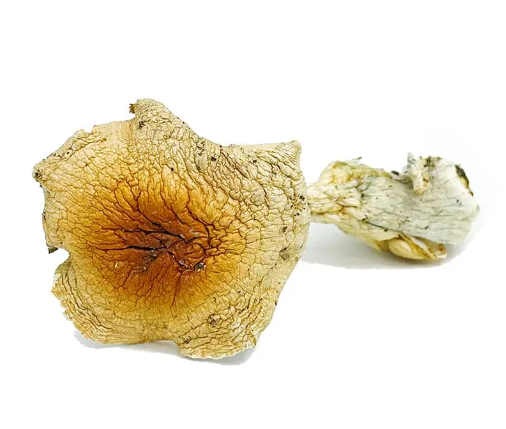
Magic mushrooms have attracted considerable interest among mycology enthusiasts, researchers, and people curious about fungal diversity. Yet discussions about different types of magic mushrooms can quickly become confusing because common names, scientific classifications, cultivation terms, and informal community labels are often used interchangeably. A basic understanding of these distinctions makes it easier to evaluate information without relying on assumptions or exaggerated descriptions.
The term “magic mushroom” generally refers to fungi containing the psychoactive compounds psilocybin and psilocin. Health Canada notes that there are more than 200 species of magic mushrooms, while also pointing out that different species can look alike. This makes accurate identification and responsible information particularly important.
Among the names frequently encountered in mushroom discussions are Golden Teacher and Penis Envy, both commonly associated with Psilocybe cubensis. However, a commercial or community name does not necessarily provide a complete scientific description. Understanding species, varieties, genetics, cultivation conditions, and terminology provides a much more useful foundation for exploring mushroom diversity.
What Makes One Magic Mushroom Different From Another?
The first distinction to understand is biological classification. Mushrooms belong to the kingdom Fungi, but different species can have substantially different characteristics. Psilocybe cubensis, for example, is recognised as a distinct fungal species in scientific taxonomic databases.
Within psychoactive mushroom discussions, differences can involve physical appearance, genetics, natural distribution, and chemical composition. Cap shape, colour, stem structure, spore characteristics, and growth patterns can all vary between species and between cultivated varieties. However, appearance alone is not a reliable basis for identification. Health Canada specifically warns that many magic mushroom species look alike, creating a risk of misidentification.
Genetics also contribute to variation. Cultivated mushrooms may develop different physical characteristics depending on their genetic background and growing environment. Temperature, humidity, substrate, and other environmental conditions can influence how fruiting bodies develop.
The distinction between species and cultivated varieties is particularly important. Two mushrooms can belong to the same species while having noticeably different physical traits. Modern research on P. cubensis has documented substantial diversity among commonly recognised cultivated strains, while also noting that many strain descriptions originate from community knowledge rather than extensive academic classification.
Consequently, the phrase “different type” can mean several things. It might refer to a different species, a recognised cultivated variety, or simply a community name associated with a particular appearance or lineage. Understanding which meaning is intended prevents unnecessary confusion.
Common Names and Why Mushroom Terminology Can Be Confusing
Mushroom terminology becomes complicated because scientific and community naming systems do not always operate in the same way. Scientific taxonomy aims to classify organisms according to biological relationships, while popular names often develop through cultivation communities, historical associations, appearance, or commercial use.
Terms such as species, strain, variety, and cultivar may therefore appear in mushroom discussions with different levels of precision. A scientific species is a formal biological classification. A strain name, by comparison, may be used within cultivation communities to describe a particular genetic line or recognised form.
The problem becomes more noticeable when a familiar name is treated as though it represents a completely standardised biological category. A name can become widely recognised without having the same formal taxonomic status as a species. Recent scientific literature examining P. cubensis diversity highlights this issue, noting that many recognised strain descriptions have developed through community cultivation practices and require further formal documentation.
Commercial descriptions can add another layer of complexity. Product names may be designed to be memorable and accessible rather than taxonomically precise. This does not automatically make them inaccurate, but readers should understand what information a name actually communicates.
A useful approach is to treat a common mushroom name as a starting point rather than a complete scientific profile. When reliable information is available, the species, background, physical characteristics, and source of the terminology should all be considered together.
Golden Teacher, Penis Envy and Other Well-Known Names
Golden Teacher and Penis Envy are among the better-known names encountered in discussions surrounding Psilocybe cubensis. Their popularity illustrates why mushroom terminology can be both interesting and difficult to interpret. These names have become widely recognised within mushroom communities, but they should not automatically be treated as precise guarantees of characteristics or outcomes.
Scientific research has included recognised P. cubensis names such as Golden Teacher and several Penis Envy variants when examining genetic and chemical diversity. This research is useful because it demonstrates that the subject can be examined scientifically while also showing that considerable diversity exists within cultivated mushroom populations.
For readers exploring different varieties, resources such as Shrooms Direct can also provide a useful point of reference for understanding how mushroom products and categories are presented within a Canadian e-commerce environment. The website contains multiple product categories, individual product pages, and informational material designed to make product and category information easier to navigate.
The important point is that familiar names should not be interpreted as universal descriptions. Community discussions sometimes associate particular varieties with specific characteristics, but anecdotal descriptions are not equivalent to controlled scientific evidence. A responsible reader therefore considers the terminology, available documentation, and limitations of the information rather than assuming that a variety name guarantees a particular experience.
The popularity of names such as Golden Teacher and Penis Envy also demonstrates how mushroom culture has developed its own vocabulary. Understanding that vocabulary can make research easier, provided the names are viewed in their proper context.
Why Growing Conditions Matter
Genetics provide only part of the picture when considering differences between cultivated mushrooms. Environmental conditions can also influence how fungi develop. This is one reason why two examples carrying the same commonly used name may not look completely identical.
Growing conditions can affect the physical development of a mushroom, including features such as size, shape, colour, and overall appearance. Environmental factors also interact with the genetic characteristics of the organism, creating differences that may not be explained by a name alone.
Several factors are particularly relevant when considering fungal development:
- Temperature can influence development: Different fungi have different environmental preferences, and temperature can affect the rate and character of fungal growth. This means that environmental conditions form an important part of the biological context behind physical differences.
- Humidity affects the growing environment: Moisture availability is essential to fungal development, but conditions can vary considerably between cultivation environments. Differences in humidity can therefore contribute to variation in how fruiting bodies develop.
- Substrate provides an important foundation: The material supporting fungal growth can influence available nutrients and the broader growing environment. Different cultivation systems may use different substrates, creating different conditions for development.
- Genetics interact with environmental factors: A particular genetic background does not operate independently of its surroundings. Environmental conditions can influence how inherited characteristics are expressed, which helps explain why examples associated with the same name may not appear identical.
Understanding these variables gives readers a more realistic view of mushroom diversity. It also discourages the assumption that every specimen associated with a particular name must look or behave exactly the same way.
How to Evaluate Information About a Mushroom Variety
With so many mushroom names appearing across websites, forums, product descriptions, and social media, evaluating the quality of information is essential. A useful starting point is to determine whether a statement describes an established biological fact, a community observation, or a marketing claim.
Scientific terminology provides one important reference point. For example, Psilocybe cubensis is formally recognised as a fungal species in the NCBI taxonomy database. Information about individual cultivated varieties, however, may have a different level of documentation.
Source quality should therefore be considered alongside the claim itself. Scientific publications, recognised taxonomy databases, and government resources generally provide stronger foundations for factual questions than anonymous online discussions. Health Canada, for example, provides information about the classification and legal status of psilocybin and psilocin in Canada.
Marketing language also deserves careful interpretation. Words that imply guaranteed outcomes, exceptional strength, or universal experiences can oversimplify a subject that naturally involves biological variation. A product name may identify a category, but it cannot by itself establish every characteristic associated with that product.
Legal context is equally important for Canadian readers. Health Canada states that psilocybin and psilocin are controlled substances in Canada, and activities involving magic mushrooms, including possession, production, and sale, are illegal unless specifically authorised.
Reliable mushroom literacy therefore involves checking terminology, source quality, scientific evidence, and applicable regulations together.
Building Better Mushroom Literacy
A stronger understanding of mushroom varieties does not require memorising every name in circulation. Instead, readers can develop a method for evaluating information and distinguishing formal classification from community terminology.
Several questions can help create a more informed approach:
- What species is being discussed? Identifying the scientific species provides a clearer starting point than relying exclusively on a popular name. It helps separate formal taxonomy from informal variety terminology.
- Is the name scientific or community-based? A recognised name within mushroom communities may be useful, but it should not automatically be interpreted as a formal taxonomic classification.
- What evidence supports the description? Scientific research, taxonomy resources, and authoritative publications provide different levels of evidence from personal anecdotes or promotional descriptions.
- Could environmental conditions explain differences? Physical variation does not necessarily mean that two mushrooms belong to completely different categories. Genetics and growing conditions can both influence appearance.
- Are claims being presented as guarantees? Statements about a mushroom should be evaluated carefully when they suggest that every specimen associated with a particular name will have exactly the same characteristics.
- Is the information current and legally relevant? Regulations surrounding controlled substances can be important when researching mushrooms in Canada. Government sources should be consulted for current legal information rather than relying on outdated online discussions.
This approach encourages curiosity without sacrificing accuracy. It also makes it easier to recognise the difference between established knowledge and information that remains uncertain or primarily anecdotal.
Conclusion
Understanding the different types of magic mushrooms starts with recognising that a name does not tell the entire story. Scientific species, cultivated varieties, community terminology, genetics, and environmental conditions can all contribute to the differences observed among mushrooms.
Names such as Golden Teacher and Penis Envy have an established place within modern mushroom culture, particularly in discussions surrounding Psilocybe cubensis, but their popularity should not be mistaken for a guarantee of uniform characteristics. Scientific research continues to document diversity within cultivated populations, while many community-based classifications still require further study.
For readers researching mushroom varieties, the most useful approach is to look beyond labels, examine the quality of available evidence, understand biological variation, and distinguish scientific terminology from informal descriptions. This foundation creates better mushroom literacy and supports a more accurate understanding of one of the most discussed groups of fungi.
