


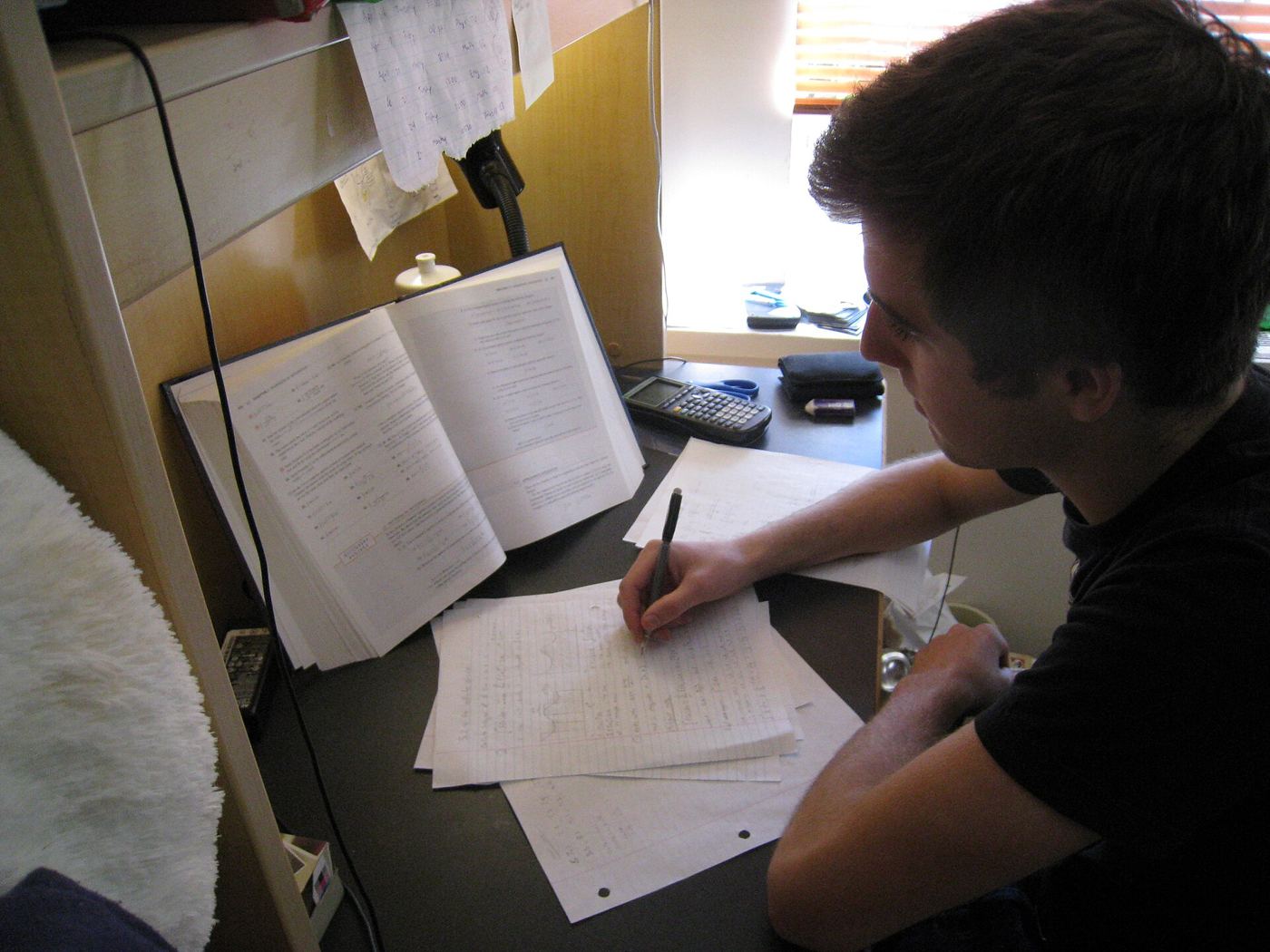
Calm preparation habits can ease the nerves that many students feel before tests, turning anxious energy into something more useful. Psychologists distinguish between anxiety that sharpens attention and anxiety that floods the mind, crowding out the very information a student is trying to recall. Steady preparation over several days reduces the flood risk, because the material feels familiar and the plan feels manageable. Short study sessions, regular sleep and practising under conditions similar to the test itself all teach the brain that the situation is known rather than threatening. Confidence then rests on real experience instead of hopeful guesswork on the morning itself. Breaking revision into small, planned blocks also leaves room for meals, exercise and rest, which protect memory far better than a single exhausted marathon the night before a test that has been dreaded for weeks. A short practice test at home can reveal timing problems early, while there is still time to adjust.
What the Evidence Shows
On the day, simple routines help the body settle: arriving in good time, breathing slowly and reading each question fully before answering. It also helps to reinterpret a racing heart as readiness rather than danger, since the same physical arousal can fuel performance when it is labelled differently. Students who blank on one question are advised to move on and return later, protecting both time and confidence. Teachers and parents can support calm preparation by praising effort and planning rather than only results, which keeps fear of disappointing others from overwhelming the work. After the test, a brief, kind review of what helped builds a better plan for next time without harsh self criticism. None of this removes the need for fair tests or proper teaching, but calm preparation gives students the best chance to show what they actually know, rather than what anxiety allowed them to remember on a difficult morning. Reporting and analysis from sources such as British Psychological Society track the same developments, and specialists following calm test preparation say the direction is now consistent across independent lines of evidence.
The Wider Context
Practitioners working with calm test preparation emphasise fit over fashion. A technique that transforms one person’s routine can be useless or worse for another, and assessment, what problem, whose life, what constraints, is what separates professional guidance from the generic advice that floods social feeds. The research increasingly studies that matching process itself.
What Happens Next
For readers, the balanced conclusion on calm test preparation is that small, well-matched changes beat dramatic overhauls, and that any technique deserves a fair trial of a few weeks before judgement. The studies support patience with the process and scepticism toward promises. That combination, unglamorous as it sounds, is what the evidence actually recommends. You can follow related developments in our coverage of psychology.
It is also worth remembering how quickly the picture in this area has changed before. Positions that looked settled a few years ago have been revised as new data arrived, and the same humility is appropriate now. The strongest coverage of this subject, and the most useful advice, tends to come from sources that update their views openly when the facts move, rather than defending an earlier position long after it has stopped fitting the evidence available.
