


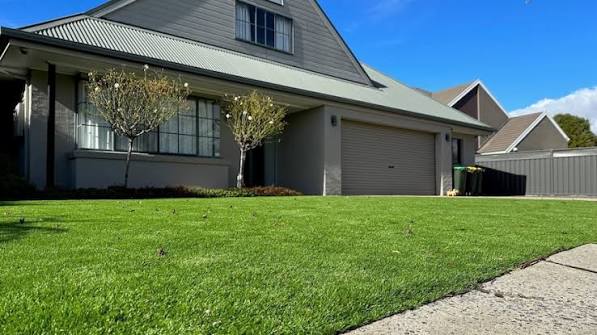
Artificial turf has come a long way since its debut in the 1960s, evolving from a novelty stadium surface into a widely adopted solution for landscaping and sports applications alike. As its popularity has grown, so has the conversation surrounding its environmental impact. Homeowners, municipalities, athletes, and environmental advocates are all weighing in, and the discussion is far more nuanced than a simple good-versus-bad verdict. Understanding the full picture means looking honestly at both the legitimate concerns and the genuine benefits that modern synthetic surfaces bring to the table.
The Environmental Case Against Natural Grass
Natural grass lawns carry a surprisingly heavy environmental footprint, one that often goes unacknowledged in broader sustainability conversations. Maintaining a traditional lawn requires significant water consumption, with the average American household directing roughly one-third of its water supply toward outdoor irrigation. Gas-powered lawn mowers, leaf blowers, and trimmers add measurable greenhouse gas emissions to the atmosphere each year on top of that. Chemical fertilizers, pesticides, and herbicides used to keep grass looking pristine can leach into groundwater and disrupt local ecosystems in ways that are easy to overlook. When viewed through that lens, the environmental cost of a lush natural lawn is far from negligible.
Water Conservation as a Key Argument
One of the strongest sustainability arguments in favor of artificial turf is its dramatic reduction in water usage. In drought-prone regions like California, Arizona, and Nevada, water conservation is not just an environmental priority but a genuine practical necessity. Synthetic surfaces require no irrigation once installed, which can save tens of thousands of gallons of water per household each year. That reduction in demand helps ease pressure on local reservoirs and municipal water systems, especially during dry seasons when resources are stretched thin. For communities facing long-term water scarcity, swapping out thirsty grass for a low-maintenance alternative has become an increasingly attractive option.
Concerns About Heat, Microplastics, and End-of-Life Disposal
Despite its water-saving advantages, artificial turf raises valid concerns that deserve honest consideration. Synthetic surfaces can retain significantly more heat than natural grass, creating uncomfortable and potentially hazardous conditions during summer months. Microplastics are another growing worry, as the rubber infill and synthetic fibers found in many turf products can break down over time and make their way into soil and waterways. Perhaps the most pressing long-term challenge is disposal: most synthetic turf systems have a lifespan of eight to fifteen years, and recycling options remain limited across many turf types. These issues are pushing manufacturers and researchers to develop more sustainable materials and better end-of-life solutions, though the industry still has meaningful progress ahead of it.
How Modern Turf Technology Is Evolving
The artificial turf industry has responded to environmental criticism with a wave of innovation aimed at making products cleaner and more responsible. Manufacturers are increasingly experimenting with plant-based infills, such as cork and coconut fibers, as alternatives to traditional crumb rubber derived from recycled tires. Some companies are developing fully recyclable turf systems designed from the ground up with end-of-life processing in mind. When golfers and homeowners install an artificial putting green to practice year-round without irrigation, they demonstrate how targeted synthetic surfaces can meaningfully reduce resource use in specific recreational contexts. UV-resistant fibers are also being engineered to last longer and shed fewer microplastics over time, helping address one of the most persistent criticisms leveled at earlier-generation products.
Weighing Local Context and Use Cases
Sustainability is rarely a one-size-fits-all equation, and the right choice between natural and synthetic turf depends heavily on location, climate, and intended use. In regions with abundant rainfall and moderate temperatures, natural grass may still be the more environmentally sound option. In arid climates or high-traffic applications where natural grass struggles to survive without intensive resource inputs, synthetic alternatives can offer a genuine net environmental benefit. Urban planners, homeowners, and facility managers are increasingly encouraged to conduct lifecycle assessments that account for installation impacts, operational savings, and eventual disposal before committing to a decision. That kind of context-driven thinking tends to lead to better outcomes for both people and the planet.
Conclusion
The sustainability debate around artificial turf does not lend itself to easy answers. Both natural and synthetic surfaces carry environmental trade-offs shaped by geography, maintenance practices, and the way products are manufactured and eventually disposed of. As technology continues to advance and the industry moves toward more responsible materials and recycling pathways, synthetic turf is becoming a more credible choice for sustainability-minded consumers. The key is approaching each situation with accurate information, realistic expectations, and a genuine willingness to weigh the full environmental picture rather than defaulting to assumptions.
