


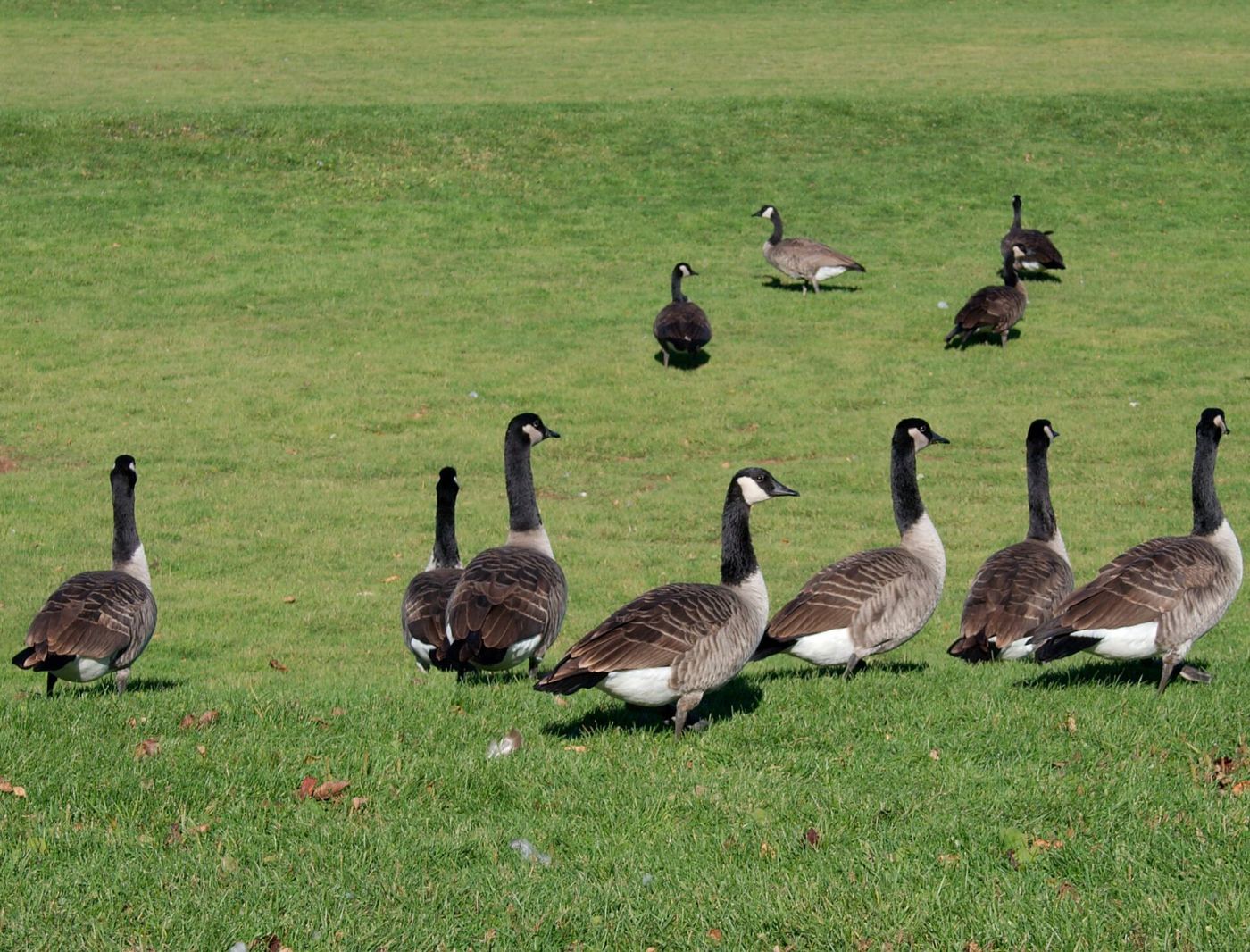
The autumn sky is a highway. Millions of geese, ducks and waders are on the move along flyways that link Siberian and Canadian breeding grounds to wetlands thousands of miles south — and travelling with them, as every year, is avian influenza. For virologists and wildlife rangers, migration season is the busiest time on the calendar: the weeks when wild birds mix at staging wetlands are the weeks when bird flu surveillance matters most.
Watching the flyways
Modern monitoring looks nothing like the clipboard era. Field teams collect droppings and swabs at ringing stations, hunters in some regions submit samples from legally shot birds, and environmental DNA taken from pond water can reveal a virus’s presence before a single bird looks sick. Agencies coordinated through the World Organisation for Animal Health share sequences internationally, so a strain detected in one country triggers alerts along the whole route. The goal is early warning: days of notice can be the difference between a contained farm outbreak and a regional crisis.
Wild waterfowl are the virus’s natural reservoir, and most strains cause them little harm. The danger comes when a highly pathogenic strain spills into dense poultry flocks or, far more rarely, into mammals. That is why monitoring focuses on the meeting points — wetlands beside farmland, live-bird markets and the shores where migrating flocks rest. More of our reporting on animals and health explores how closely human and animal health are now linked.
What the season’s data shows
This season’s sampling so far fits the pattern researchers expect: scattered detections in wild birds, concentrated where large flocks gather, and no sign of the virus changing in ways that would make it spread easily between people. Health authorities stress that the risk to the general public remains low, though people who work with poultry are advised to keep up biosecurity and report sick birds quickly.
Living with a travelling virus
Farmers sit at the sharp end of this system, and the season’s discipline is practical: netted ranges where feasible, feed and water kept under cover so wild birds do not share them, boots and equipment disinfected between houses, and any unusual bird deaths reported the same day. Compensation schemes matter more than any poster — producers who fear ruin hide outbreaks, while producers who trust the system report them. The surveillance teams are candid that their real network is not the laboratories but the thousands of farmers, gamekeepers and birdwatchers whose eyes cover the wetlands between sampling visits.
Eradication is not on the table — you cannot vaccinate the sky. Instead, the strategy is coexistence with eyes open: rapid testing, honest reporting and wetland management that keeps wild and domestic birds apart at peak season. The geese will keep flying their ancient routes. The achievement of the last decade is that, increasingly, science is flying with them — watching, sequencing and learning in real time.
