


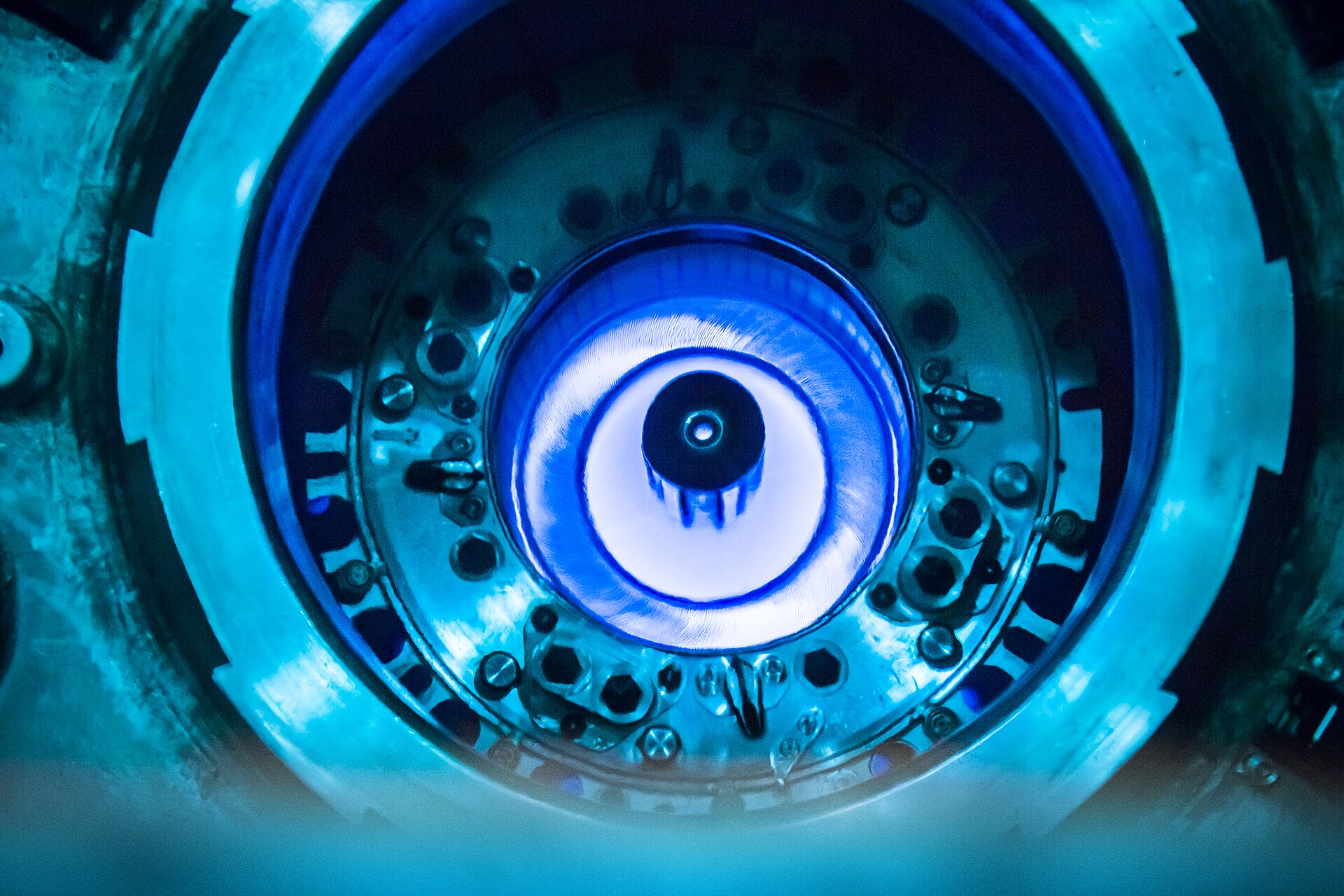
[“Thorizon and TNO have launched research into molten salt corrosion, testing materials for the planned PIONEER reactor demonstrator. The work addresses the technology’s central engineering challenge: salts that carry heat superbly also attack the metals containing them.”]
The Corrosion Problem at the Heart of a Reactor
Thorizon and TNO have launched a research programme into molten salt corrosion, testing how materials withstand the punishing chemistry inside a molten salt reactor. The work supports Thorizon’s planned PIONEER demonstrator, and it tackles the technology’s defining engineering question: molten salts can carry heat beautifully, but they also attack the metals asked to contain them.
TNO, the Netherlands Organisation for Applied Scientific Research, describes its energy work on TNO’s official site, while international nuclear safety and technology context is maintained by the International Atomic Energy Agency. Between a Dutch research institute and a reactor developer, the programme is a test of Europe’s ability to rebuild advanced nuclear expertise.
Why Molten Salt Appeals to Reactor Designers
Molten salt reactors operate at high temperature and low pressure, a combination with inherent safety attractions: there is no high-pressure steam to drive a violent release, and the fuel being liquid allows designs that can drain passively to a safe configuration. High temperatures also promise efficient electricity generation and industrial heat for processes that gas and chemistry plants currently fire with fossil fuels.
The concept is not new; experiments ran in the 1960s before the industry standardised on water-cooled designs. What has changed is the surrounding toolkit: modern modelling, materials science and a policy climate once again interested in firm, carbon-free power that does not depend on weather. Thorizon’s design is part of a wider international revival now moving from papers towards hardware.
Testing Materials Before Building Machines
Corrosion research is unglamorous and decisive. Candidate alloys and coatings must be exposed to representative salt chemistry at operating temperatures for long periods, then examined for thinning, cracking and embrittlement. The results decide which materials can be licensed, how often components must be inspected or replaced, and ultimately whether a reactor’s economics survive contact with its own coolant.
Programmes like this one also rebuild supply chains. Every tested material generates data that fabricators, regulators and insurers need before they will touch a new reactor class, so a careful testing campaign shortens later arguments even when its findings are inconvenient. Follow science coverage on lapzoo.com as the PIONEER programme develops.
The PIONEER Demonstrator’s Role
Demonstrators exist to convert arguments into evidence. A working PIONEER unit would let Thorizon and its partners test integrated behaviour, fuel handling, maintenance and control systems, at a scale regulators can evaluate and investors can price. Materials data from the TNO collaboration feeds directly into that design, influencing choices from vessel alloys to sensor placement.
For the Netherlands, hosting such work anchors skills that extend beyond one company: metallurgists, radiochemists and licensing specialists whose expertise a broader European nuclear revival will need. Countries that kept research reactors and institutes running through the industry’s quiet decades now hold an advantage that money alone cannot quickly buy.
A Revival With Conditions Attached
Advanced nuclear designs still face the sector’s old tests: licensing timelines, waste policy, cost discipline and public consent. Molten salt advocates answer that their designs address safety and waste concerns differently from conventional plants, but regulators will require the evidence to be demonstrated rather than asserted, which is precisely why materials programmes come before construction announcements.
If the corrosion data are kind, Thorizon’s path towards a demonstrator becomes substantially clearer. If they are not, better to learn it in a laboratory than in a reactor vessel. Either way, the Thorizon and TNO collaboration is the revival doing its homework in the right order, testing the metal before promising the machine.
Background: The Long Road Back for Advanced Nuclear
Advanced reactor designs spent decades as conference papers while the industry built and rebuilt variations of the water-cooled reactor. The revival now under way is driven by a changed problem: grids need firm low-carbon power to complement variable renewables, industrial users need high-temperature heat without emissions, and several governments have decided that dependence on a shrinking number of conventional vendors is itself a strategic risk worth paying to reduce.
Revival, however, requires rebuilding more than designs. Test facilities were mothballed, specialist suppliers disappeared, and a generation of engineers retired with knowledge that was never fully written down. Programmes that pair a developer like Thorizon with an institute like TNO are how that capability is reconstructed in practice: shared facilities, shared data and young researchers learning the peculiar behaviour of hot salt from people who have handled it. The reactor, when it comes, is the visible tip of that invisible reconstruction.
The Bottom Line
Materials research rarely announces itself as the main event in an energy transition, but for molten salt reactors it genuinely is. The concept’s safety and efficiency arguments have been rehearsed for decades; what the field lacked was contemporary, licensable evidence about how modern materials endure the environment at its core. That is the evidence Thorizon and TNO are now setting out to produce.
If the data support the design, PIONEER moves from proposal towards prototype with its hardest question partly answered. If they complicate it, the complications arrive at the cheapest possible moment. Either outcome justifies the programme, and either moves the molten salt revival a step closer to being an industry rather than an argument.
