


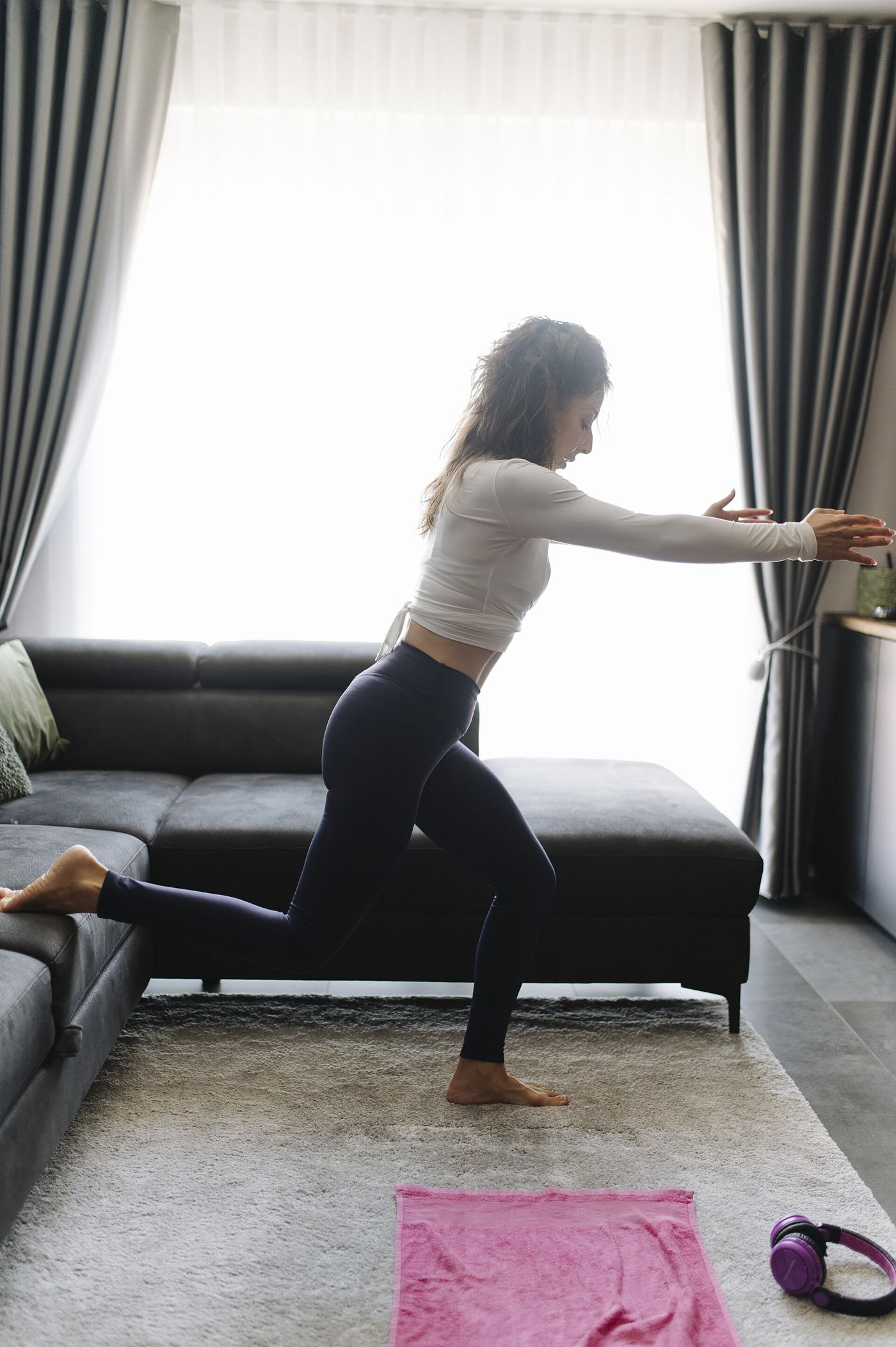
Getting outdoor light and gentle movement soon after waking may help people feel more alert earlier in the day, according to researchers studying how morning routines influence the body clock and mood. In their work, participants who spent time in daylight within the first part of the morning, combined with light stretching or an easy walk, reported clearer thinking and less lingering grogginess than on days when they remained indoors under artificial light. Scientists explain that bright morning light is one of the strongest signals for the internal clock, helping to set the timing of alertness during the day and sleepiness in the evening. Movement adds a complementary signal, raising body temperature and circulation after the natural overnight dip that contributes to sleep inertia on waking. The routines studied were intentionally modest, because researchers wanted habits that people with busy schedules, limited mobility, or poor weather could adapt rather than admire from a distance. Even opening curtains, standing by a bright window, and moving gently for a few minutes appeared more helpful than remaining in dim conditions while scrolling through a phone in bed.
What the Evidence Shows
Participants who maintained the routine for several weeks described their mornings becoming more predictable, with appetite, concentration, and energy arriving at more consistent times across the day. Psychologists involved in the research note that predictability itself can improve mood, because people can plan demanding tasks for periods when they know they will feel capable. For those unable to get outside early, due to darkness, weather, or work patterns, bright indoor lighting and movement at home were presented as reasonable alternatives, with an outdoor walk later in the morning still adding benefit. The studies also found that people were more likely to keep the habit when it was attached to an existing routine, such as making tea, taking children to school, or walking part of a commute, rather than scheduled as a separate wellness appointment. Researchers caution against viewing morning difficulty in isolation, since persistent exhaustion may reflect poor sleep, health conditions, or excessive demands that require broader attention. Their overall message, however, is encouragingly practical for anyone whose mornings regularly feel heavier than they should. Reporting and analysis from sources such as British Psychological Society track the same developments, and specialists following morning light and movement say the direction is now consistent across independent lines of evidence.
The Wider Context
Practitioners working with morning light and movement emphasise fit over fashion. A technique that transforms one person’s routine can be useless or worse for another, and assessment, what problem, whose life, what constraints, is what separates professional guidance from the generic advice that floods social feeds. The research increasingly studies that matching process itself.
What Happens Next
For readers, the balanced conclusion on morning light and movement is that small, well-matched changes beat dramatic overhauls, and that any technique deserves a fair trial of a few weeks before judgement. The studies support patience with the process and scepticism toward promises. That combination, unglamorous as it sounds, is what the evidence actually recommends. You can follow related developments in our coverage of psychology.
It is also worth remembering how quickly the picture in this area has changed before. Positions that looked settled a few years ago have been revised as new data arrived, and the same humility is appropriate now. The strongest coverage of this subject, and the most useful advice, tends to come from sources that update their views openly when the facts move, rather than defending an earlier position long after it has stopped fitting the evidence available.
