


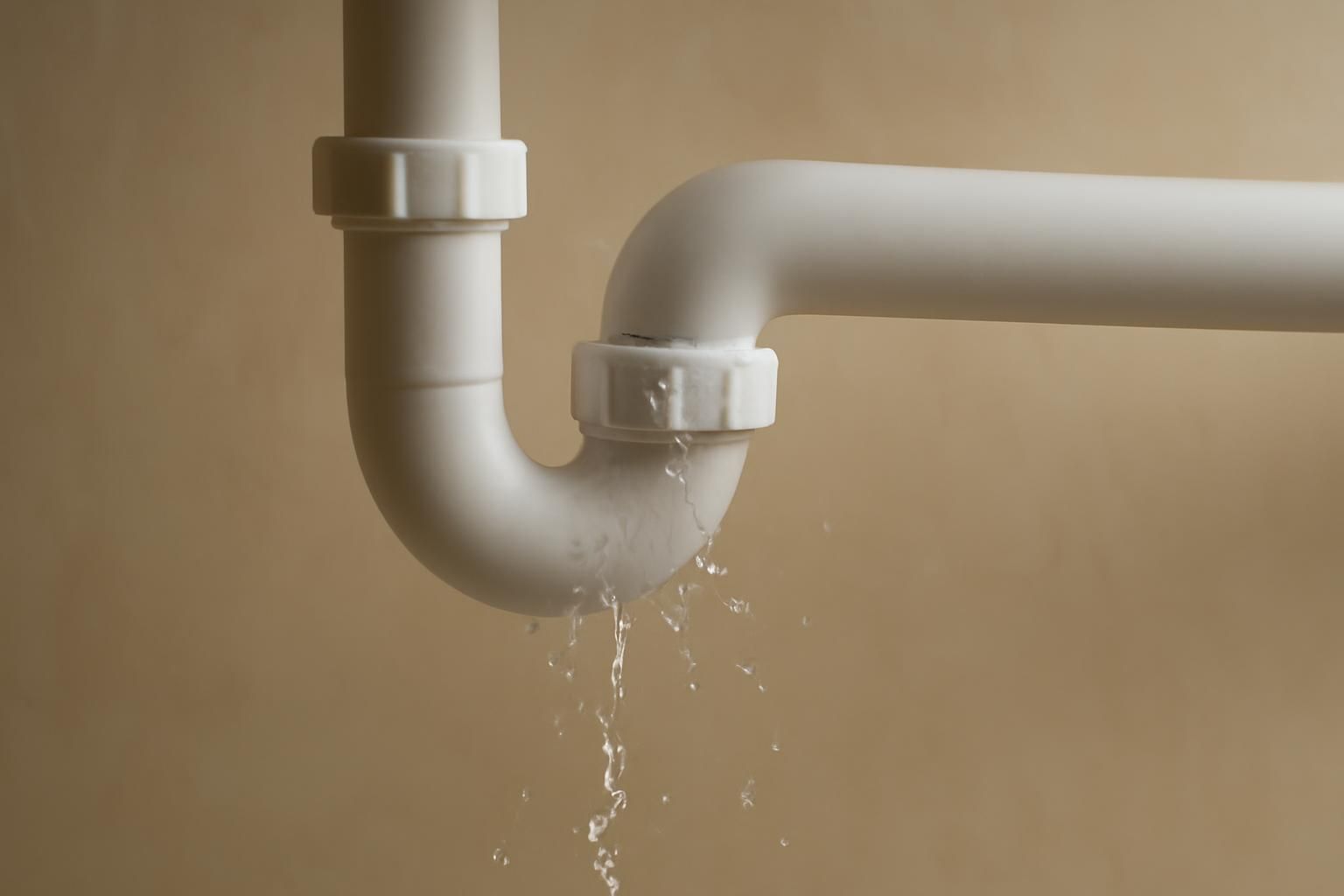
There’s something especially cruel about waking up at 3 a.m. to the sound of running water when nobody’s supposed to be using a faucet. One minute, you’re dreaming peacefully; the next, you’re standing barefoot in a puddle, wondering how your bathroom became an indoor swimming pool. Plumbing emergencies have terrible timing, but while you can’t control when disaster strikes, you can certainly control what happens next.
Stop the Water First
When water starts appearing where it shouldn’t, panic is a perfectly understandable reaction. Unfortunately, it won’t do much for your floors. Your first priority should be to find the main water shutoff valve and turn it off before the situation gets worse.
Once the water stops flowing, you’ll have a little breathing room to assess the damage. If the problem involves a burst pipe, overflowing toilet, or stubborn leak, getting a professional involved quickly can make all the difference. Having the contact details of a reliable plumber Ontario that homeowners can call in an emergency means you won’t be desperately searching for help while your carpets soak up the evidence.
Keep Electricity Out of the Equation
Water damage is bad enough without adding electrical hazards to the mix. If flooding has reached outlets, appliances, or electrical equipment, keep your distance and avoid touching anything that could be energized. You might be tempted to rush in and rescue your belongings, but safety needs to come first. If you can safely disconnect power from a dry location, do so. Otherwise, leave it to a qualified professional. That television can wait.
Give Your Belongings a Fighting Chance
Once the immediate danger is under control, attention naturally turns to everything the water has touched. Rugs, furniture, electronics, and sentimental belongings can all suffer when moisture is left sitting around. Start moving unaffected items away from the flooded area, then use towels or a wet vacuum to remove clean water where it’s safe to do so. Opening windows and running fans can help with drying, although contaminated water from sewage backups requires professional cleanup rather than a DIY rescue mission. It’s also worth taking photographs before cleaning up. If you need to make an insurance claim, having a clear record of the damage can save considerable frustration later.
Don’t Let a Temporary Fix Become Permanent
There’s a certain satisfaction in stopping a leak with a wrench and some plumber’s tape. Suddenly, you feel like you’ve conquered home maintenance. The trouble is, a quick patch doesn’t always address what’s happening behind the walls.
Hidden moisture, deteriorating pipes, and recurring blockages can quietly create bigger problems. Even when everything looks normal again, arranging a proper inspection can help uncover the cause and prevent another unwelcome midnight surprise.
A Little Preparation Goes a Long Way
Nobody wants to spend their weekend thinking about burst pipes, but a few sensible precautions can make future emergencies considerably less dramatic. Learn where your shutoff valves are, check exposed pipes for leaks, and pay attention to drains that seem increasingly reluctant to empty. Most importantly, don’t ignore those small warning signs just because they’re inconvenient. Plumbing problems rarely improve through wishful thinking.
A plumbing disaster might steal your sleep and test your patience, but it doesn’t have to turn your entire home upside down. With a calm response, prompt professional help, and a little preparation, you can get things back to normal before the next night’s sleep.
