


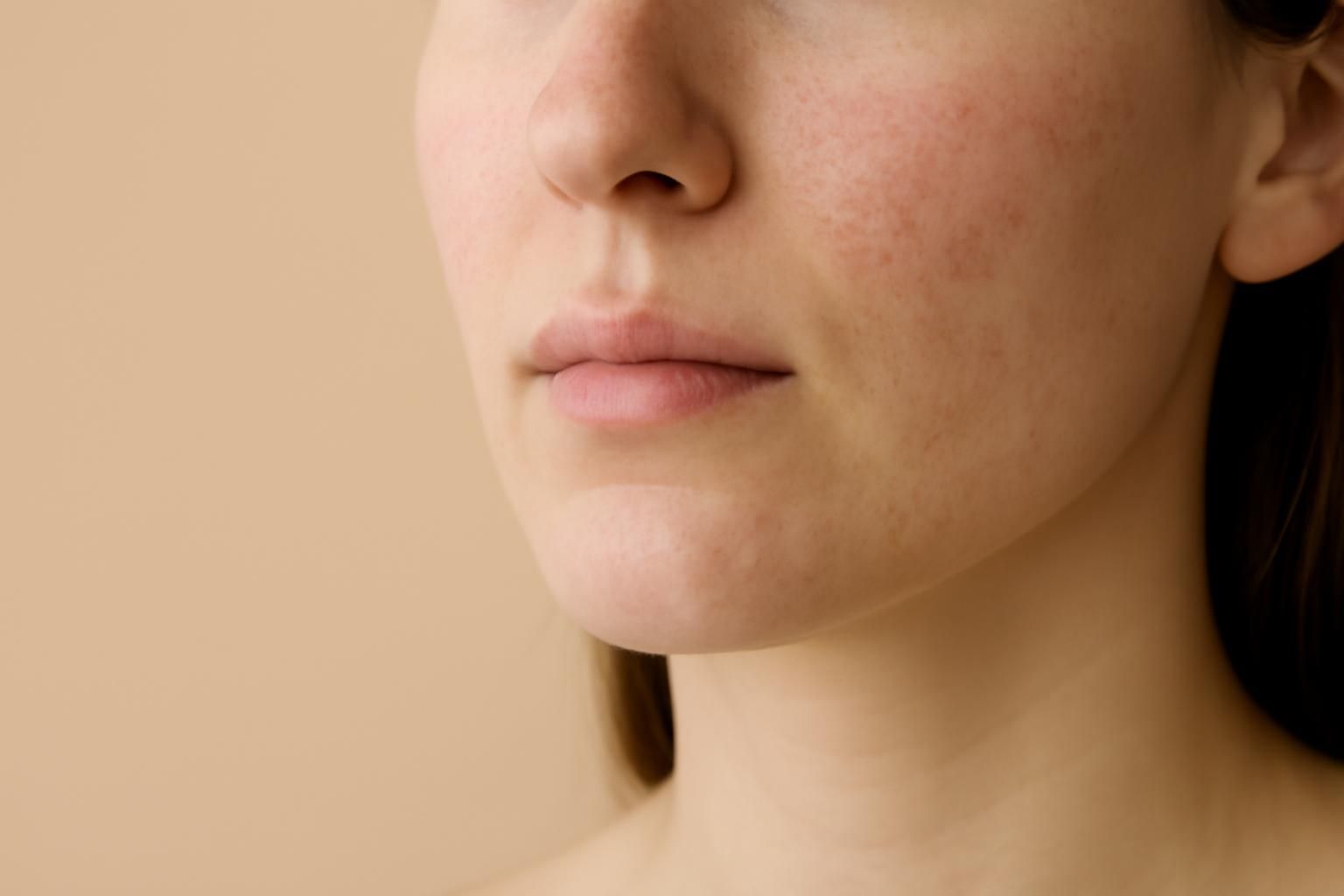
Your skin can reveal more about your daily habits than you might realise. Late nights, stressful weeks, diet changes, and even how much time you spend outdoors can influence how your complexion looks and feels.
You might notice your skin becomes dull after a particularly busy week, or breakouts appear when your routine changes. Although these issues aren’t always caused by lifestyle choices, understanding the connection can help you make better skincare decisions.
Here are some common skin concerns and what they could be telling you.
Dull Skin Could Be a Sign You’re Not Getting Enough Rest
If your complexion looks tired even after applying your usual skincare products, your sleeping habits could be contributing to the problem.
During sleep, your body carries out important repair processes that support healthy skin. Consistently getting too little rest can affect the skin’s appearance, leaving it looking less refreshed.
Try maintaining a regular sleeping schedule and limiting screen time before bed. Gentle exfoliation can also help remove dead skin cells that contribute to a dull complexion, although overdoing it can cause irritation.
Breakouts Might Be Linked to Stress
Ever noticed a breakout appearing just before an important event? Stress could be playing a role.
When you’re stressed, your body produces hormones such as cortisol, which can influence oil production and contribute to acne in some people.
Although avoiding stress completely isn’t realistic, finding healthy ways to manage it can make a difference. Regular exercise, relaxation techniques, and sufficient sleep can all support your general well-being.
If breakouts continue despite these changes, consider speaking to a dermatologist about suitable treatment options.
Dry Skin Could Mean Your Environment Is Working Against You
Dry, flaky or tight-feeling skin isn’t necessarily a sign that you’re using the wrong moisturiser. Your surroundings could be contributing to the problem.
Cold weather, indoor heating, low humidity and long, hot showers can all strip moisture from your skin.
Living in a dry climate can make this even more noticeable, especially if you spend a lot of time outdoors.
Using a gentle cleanser, applying moisturiser regularly and avoiding excessively hot water can help protect your skin’s natural barrier.
For additional skincare support, professional providers such as dermani MEDSPA® in Albuquerque offer treatments including HydraFacials, chemical peels, and other skin rejuvenation services designed to address different cosmetic concerns.
Uneven Skin Tone Could Reflect Your Time Outdoors
Spending time outside has plenty of benefits, but repeated exposure to ultraviolet radiation can affect your skin’s appearance.
Dark spots, uneven pigmentation, and premature fine lines are common signs of accumulated sun exposure.
Daily broad-spectrum sunscreen with an SPF of at least 30 is one of the simplest ways to protect your skin. Remember that UV exposure can occur even when the weather is cloudy.
Professional treatments may help improve the appearance of certain pigmentation concerns, but prevention remains an important part of maintaining healthy skin.
Your Skin Needs Consistency, Not Perfection
It’s tempting to blame every skin concern on something you’ve eaten or a night of poor sleep. However, genetics, hormones, medical conditions, and ageing also influence your complexion.
Rather than constantly changing products or following every new beauty trend, focus on building a manageable routine that suits your skin.
Pay attention to changes, introduce new products gradually, and seek professional advice for persistent or unusual symptoms.
Your skin won’t always tell you exactly what’s happening beneath the surface, but it can remind you to take better care of yourself.
