


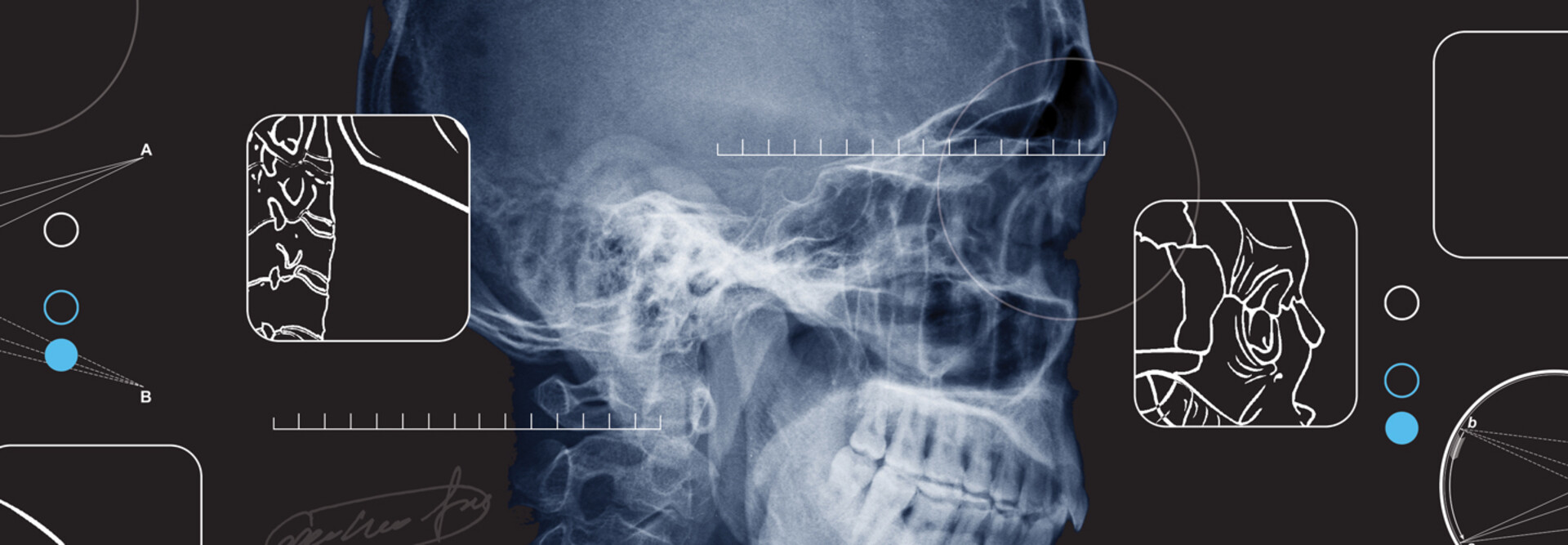
Modern imaging and inspection technologies rely heavily on precision, consistency, and reliability. One of the most important innovations in this field is the microfocus x-ray source, which has transformed how industries approach detailed inspection and analysis. By enabling extremely fine resolution, it allows engineers and technicians to identify even the smallest defects that could impact performance or safety.
From electronics manufacturing to aerospace engineering, the ability to detect microscopic flaws has become essential for maintaining strict quality standards. As industries continue to evolve and demand higher accuracy, advanced X-ray solutions are playing an increasingly vital role in ensuring efficiency, reducing waste, and improving overall product reliability.
Understanding Precision X-Ray Technology
X-ray systems have evolved significantly over the years. Traditional systems were often limited in resolution and accuracy, making them less suitable for highly detailed applications. Today’s advanced systems are designed to deliver exceptional clarity and repeatability.
These systems are widely used in:
- Non-destructive testing (NDT)
- Medical imaging
- Semiconductor inspection
- Automotive component analysis
- Aerospace quality control
The growing demand for miniaturization in electronics has further increased the need for highly accurate imaging systems. As components become smaller, the margin for error decreases, making precision tools more critical than ever.
Key Features of Modern X-Ray Systems
Modern X-ray technologies incorporate several advanced features that enhance their performance:
- High resolution imaging for detecting micro-level defects
- Stable output to ensure consistent results
- Compact design suitable for integration into automated systems
- Low maintenance requirements for long-term usability
These features collectively contribute to improved operational efficiency and reduced downtime in industrial environments.
Applications Across Industries
Different industries utilize X-ray systems in unique ways depending on their requirements:
Electronics Manufacturing
- Inspection of printed circuit boards (PCBs)
- Detection of solder joint defects
- Quality assurance of microchips
Automotive Industry
- Analysis of engine components
- Inspection of welds and joints
- Detection of internal cracks
Aerospace Sector
- Structural integrity testing
- Inspection of turbine blades
- Evaluation of composite materials
The versatility of X-ray systems makes them indispensable across these sectors.
Importance of High-Quality Components
The performance of an X-ray system depends largely on the quality of its components. Each part must function seamlessly to ensure accurate results. This includes the X-ray tube, detectors, cooling systems, and power supplies.
A critical aspect of system performance is maintaining stable voltage and current. Fluctuations can lead to inconsistent imaging results and potential damage to sensitive components.
Advancements in Imaging Accuracy
Technological advancements have significantly improved imaging accuracy. Enhanced control systems and better material design have contributed to sharper and more reliable images.
Midway through the evolution of imaging systems, the microfocus x-ray source became a defining factor in achieving ultra-high resolution. Its ability to produce a very small focal spot allows for extremely detailed imaging, which is crucial for identifying tiny defects that would otherwise go unnoticed.
Benefits include:
- Improved defect detection
- Higher magnification capabilities
- Better contrast and clarity
- Reduced inspection time
These advantages make it a preferred choice for high-precision applications.
Role of Power Supply Systems
Power supply systems are the backbone of any X-ray setup. They ensure that the system operates within the required parameters and maintains stability during operation.
Key functions of power supply systems include:
- Delivering consistent voltage
- Supporting system safety mechanisms
- Enhancing operational efficiency
- Preventing system overloads
Without a reliable power supply, even the most advanced imaging systems cannot perform effectively.
Factors to Consider When Choosing Equipment
Selecting the right X-ray system involves evaluating several factors:
- Application requirements: Determine the level of detail needed
- System compatibility: Ensure integration with existing setups
- Maintenance needs: Consider long-term operational costs
- Manufacturer reputation: Choose trusted providers
Careful evaluation helps in making informed decisions and ensures optimal performance.
Industry Trends and Innovations
The X-ray technology industry continues to evolve with new innovations and trends:
- Integration of AI for automated defect detection
- Development of portable X-ray systems
- Increased focus on energy efficiency
- Enhanced user interfaces for easier operation
These advancements are shaping the future of inspection and imaging technologies.
Importance of Reliable Manufacturers
Choosing the right manufacturer is crucial for ensuring product quality and long-term reliability. Companies that specialize in power systems play a vital role in the overall performance of X-ray equipment.
Reliable high voltage power supply manufacturers focus on:
- Precision engineering
- Safety compliance
- Durability and longevity
- Customization options
Their expertise ensures that the power systems meet the demanding requirements of modern X-ray applications.
Challenges in the Industry
Despite advancements, the industry faces several challenges:
- High initial investment costs
- Complexity of system integration
- Need for skilled operators
- Maintenance and calibration requirements
Addressing these challenges requires continuous innovation and collaboration among industry players.
Future Outlook
The future of X-ray technology looks promising with ongoing research and development. Emerging technologies are expected to further enhance imaging capabilities and system efficiency.
Key areas of growth include:
- Automation and robotics integration
- Advanced data analytics
- Improved energy management systems
- Greater accessibility for smaller industries
These developments will continue to expand the scope and application of X-ray systems.
Ensuring Long-Term Performance
To maintain optimal performance, regular maintenance and calibration are essential. This includes:
- Routine system checks
- Cleaning and inspection of components
- Software updates
- Performance testing
Proper maintenance not only extends the lifespan of the equipment but also ensures consistent results.
Selecting the Right Partner
Working with experienced suppliers and manufacturers can make a significant difference. Trusted high voltage power supply manufacturers provide not only high-quality products but also technical support and guidance.
When selecting a partner, consider:
- Industry experience
- Customer support services
- Product range
- Customization capabilities
A reliable partner helps in achieving long-term success and operational efficiency.
Conclusion
In today’s competitive landscape, investing in advanced X-ray technology is essential for maintaining quality and efficiency, especially when working with reliable high voltage power supply manufacturers to ensure consistent performance. From precise imaging systems to dependable power solutions, every component plays a crucial role in overall system efficiency.
If you are looking for dependable and high-quality solutions, VJ X-Ray offers a range of advanced products designed to meet modern industry needs. With a strong focus on innovation, reliability, and customer satisfaction, VJ X-Ray stands out as a trusted name in the field. Their expertise ensures that you get the best performance and value for your investment, making them an ideal partner for your X-ray technology requirements.
