


There is a metric in Google Search Console that has been climbing for many Malaysian websites over the past year, and it is being badly misread. Impressions are up. Clicks are flat, or falling. Marketers see the rising impressions, assume their SEO is working, and miss the actual story: more people are seeing the brand in search, and fewer of them are clicking.
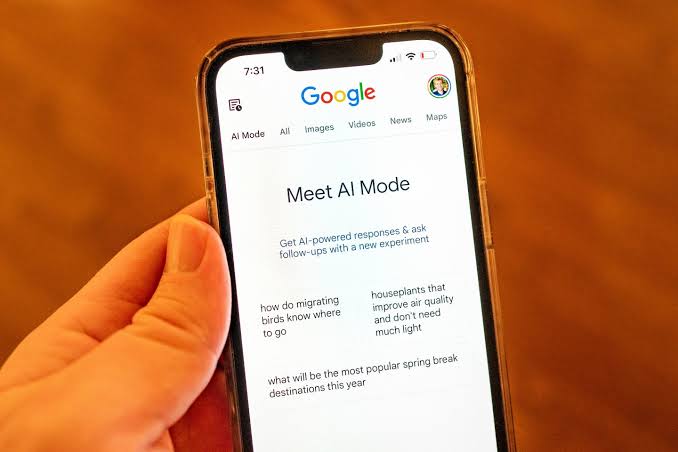
The reason is sitting at the top of the results page. AI Overviews now intercept the user’s attention before the organic links, answer the question in place, and — on a large share of queries — satisfy the searcher without a single click to any website.
The shape of the shift
Three patterns are showing up consistently in Malaysian search data. First, informational queries are bleeding clicks fastest, because they are the easiest for an AI to answer outright. “What is” and “how to” content that once drove steady blog traffic is the first to flatten.
Second, the click-through rate for positions one through three has compressed. Ranking first still matters, but the first position now sits below an AI answer rather than at the top of the page, and it earns fewer clicks per impression than it did two years ago.
Third — and this is the opportunity — commercial and transactional queries are more resilient. When someone is close to buying, they still click through to compare, verify, and contact. The traffic that converts is holding up better than the traffic that merely informs.
Why raw impressions are now a vanity metric
If your reporting still leads with impressions and average position, it is measuring a world that no longer exists. A page can gain impressions purely by being scanned into an AI Overview the user never engages with. Celebrating that is like celebrating that more people drove past your shop without coming in.
The more honest metrics for 2026 are click-through rate by query type, the proportion of your ranking keywords that trigger an AI Overview, and — most importantly — assisted conversions from organic search. The question is not how many eyeballs the algorithm showed you, but how many of them did something.
What to do about it
Three moves separate the businesses adapting from the ones in denial. The first is to re-weight content investment toward commercial intent. The informational top-of-funnel still has a role for authority and GEO, but the cents-on-the-dollar return now sits closer to the buying decision.
The second is to structure content so that even when the AI answers, your brand is the cited source. If the model is going to summarise your category, the goal is to be the name inside the summary — which is a content-structure and authority problem, not a keyword-density one.
The third is to fix the technical and trust signals that decide whether an AI will surface you at all. This is where good AI SEO services in Malaysia earn their keep: clean schema, consistent entity data, fast and crawlable pages, and genuine authority. None of it is glamorous, and all of it compounds.
The uncomfortable summary
AI Overviews are not coming for Malaysian search — they are already here, on most of the queries that matter commercially. The brands that keep reporting rising impressions as a win are measuring their own slow decline. The ones that shift to measuring clicks, citations, and conversions will see the problem clearly enough to act on it. In a zero-click world, the businesses that survive are the ones that earn the click that still counts.
About the author
This article was contributed by the team at Trinergy Digital, a Kuala Lumpur–based SEO and digital growth agency helping brands across Malaysia, Singapore, and Australia win in both traditional search and AI-driven discovery through AI SEO and Generative Engine Optimisation.
