


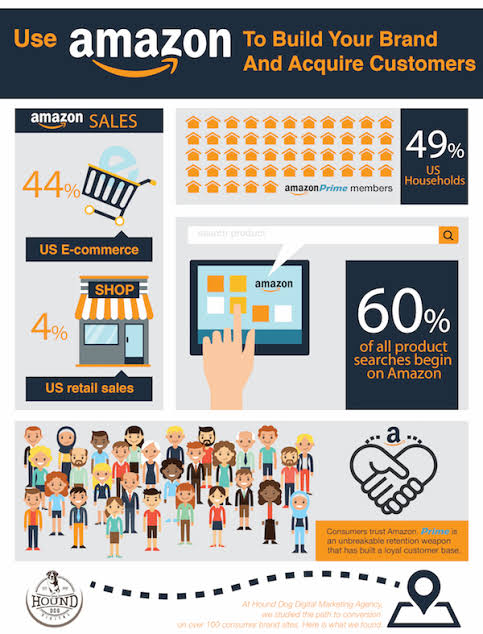
For online sellers, Amazon offers access to a large customer base, but standing out among competing products can be challenging. Customers often compare several listings before making a purchase, considering factors such as price, product features, reviews, images, and delivery options. Businesses must therefore focus on both product discoverability and the quality of their shopping experience.
A well-planned approach to Amazon SEO Services helps sellers improve their product information, target relevant searches, and identify areas where listings can perform better. Combined with effective marketplace marketing, these activities can help businesses build a stronger presence and connect with customers who are more likely to be interested in their products.
Start with a Detailed Product Listing Audit
Before making changes to an Amazon store, sellers should understand how their existing listings are performing. A product listing audit can reveal missing information, unclear descriptions, weak images, irrelevant keywords, and inconsistencies in product details.
The audit should also consider customer feedback and competitor listings. If shoppers repeatedly ask about product dimensions, compatibility, materials, or usage, the listing may need more specific information.
Addressing these gaps can make product pages more useful and reduce confusion during the buying process. Regular audits also help businesses keep their catalogue accurate as products, customer expectations, and market conditions change.
Improve Keyword Targeting for Relevant Searches
Keyword targeting connects product listings with the terms shoppers use to find items on Amazon. Sellers should research search phrases that accurately reflect their products, features, intended uses, and customer needs.
Primary keywords can be included naturally in product titles, while relevant supporting terms can be used in bullet points, descriptions, and other appropriate fields. Sellers should avoid adding unrelated keywords simply to attract more traffic, as irrelevant visits may not translate into meaningful engagement or sales.
Professional Amazon SEO Services can help businesses organise keyword opportunities according to product relevance, search intent, and competition. This creates a more structured foundation for listing optimisation.
Make Product Pages More Persuasive
A product listing should answer the questions customers are likely to ask before purchasing. Clear titles, informative bullet points, accurate specifications, and high-quality images help shoppers understand the product without unnecessary effort.
Businesses should focus on genuine benefits rather than vague promotional claims. For example, a kitchen product listing could explain its dimensions, material, cleaning requirements, and intended uses. A technology accessory could clearly state supported devices and compatibility limitations.
Product information should remain accurate and comply with Amazon’s listing policies. Misleading claims or incomplete specifications can damage customer confidence and contribute to avoidable returns.
Combine Organic Optimisation with Paid Promotion
Organic visibility and paid advertising serve different purposes, but they can complement each other. Organic optimisation improves the relevance and quality of product listings, while sponsored campaigns provide opportunities to promote products through paid placements.
An experienced Amazon Marketing Agency can help sellers evaluate which products to promote, review campaign targeting, and identify advertising areas that require adjustment. Campaign data can also provide insights into the search terms and product categories that attract customer interest.
However, advertising should be managed with clear financial objectives. Sellers need to consider advertising expenditure, product margins, fulfilment costs, and conversion performance before increasing budgets.
Strengthen Your Store Through Competitor Analysis
Competitor analysis helps businesses understand how similar products are presented in the marketplace. Reviewing competing listings can highlight differences in product positioning, pricing, images, descriptions, and customer feedback.
The purpose is not to copy another seller’s content. Instead, businesses should identify unmet customer needs and communicate their own product advantages more clearly.
For instance, if competing listings provide limited sizing information, a seller may improve the customer experience by offering clearer specifications. If shoppers frequently mention confusing instructions in reviews, better product guidance may help address that concern.
These improvements can help a business build a more distinctive and customer-focused product presentation.
Track Performance and Refine Your Strategy
Amazon marketing requires ongoing evaluation rather than a one-time optimisation exercise. Sellers should monitor impressions, clicks, conversion rates, advertising cost of sales, revenue, and profitability to assess progress.
If impressions increase but clicks remain low, the title, main image, pricing, or product relevance may need review. If clicks increase but purchases remain limited, sellers should examine the listing content, customer reviews, delivery options, and competitiveness of the offer.
An organised reporting process helps businesses identify potential issues and prioritise changes based on evidence. Results will vary depending on product demand, competition, pricing, inventory, and other marketplace factors.
Grow Your Amazon Business with Bloom Agency
Improving marketplace performance requires a combination of relevant keyword targeting, informative product listings, competitor research, and careful campaign management. Businesses that review these elements consistently can make better-informed decisions about where to invest their time and resources.
Bloom Agency helps businesses approach digital marketing with structured strategies focused on visibility, customer engagement, and measurable business objectives. With the right combination of Amazon SEO Services and marketplace promotion, sellers can work towards stronger product discoverability and a more effective customer journey.
If your products are struggling to attract relevant shoppers or your listings need improvement, consider developing a marketplace strategy that aligns with your products, audience, and growth targets.
