


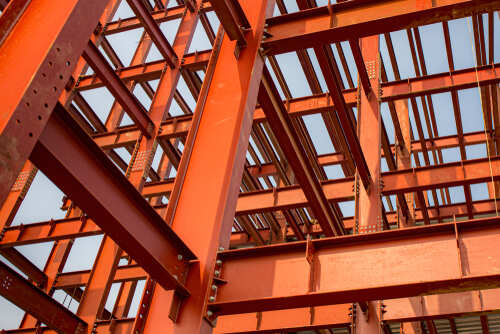
A beam company is a business that specializes in designing, manufacturing, supplying, and often installing structural beams — the horizontal supports that carry loads in buildings, bridges, and various construction projects. Beams are essential elements in almost every structure, and companies that focus on them play a vital role in modern construction.
This article explains what a beam company does, the types of beams it works with, key services offered, benefits to construction projects, how to choose a trusted beam company, common industry challenges, FAQs, and a clear conclusion.
What Is a Beam Company?
A beam company is a specialized firm that handles the production and delivery of structural beams. These beams are used to support weight and distribute forces in buildings, bridges, stadiums, warehouses, and other structures. While traditional construction used simple wooden beams, modern beam companies work with advanced materials such as steel, reinforced concrete, and engineered wood.
Beam companies serve general contractors, structural engineers, architects, developers, and project owners. They are often involved from early design stages through fabrication and installation.
Why Beam Companies Are Essential
Structural beams are critical for several reasons:
- Load Support: Beams carry the weight of floors, roofs, and other elements and transfer it to columns or walls.
- Open Spaces: Modern architectural designs often require large open areas without many interior walls — beams make these possible.
- Safety: Proper beam design and installation ensure that structures can handle forces like wind, earthquakes, and heavy loads.
- Efficiency: Beam companies provide engineered solutions that reduce waste and improve construction timelines.
Without well‑engineered beams and experienced beam companies, buildings could fail under stress or require costly redesigns.
Key Services Offered by Beam Companies
Design and Engineering Support
Beam companies often collaborate with structural engineers to determine the correct size, shape, and material for beams based on loads, span lengths, environmental conditions, and safety codes.
Structural analysis tools and software help engineers model performance and optimize designs to reduce weight and cost while maintaining safety.
Fabrication and Manufacturing
Once a design is finalized, the beam company fabricates the beams in a controlled environment. This may involve:
- Cutting and welding steel sections
- Casting concrete beams with rebar
- Milling engineered timber beams
- Applying protective coatings (e.g., for corrosion resistance)
Precision fabrication ensures beams fit correctly and perform as intended when installed.
Material Sourcing and Quality Control
Beam companies source high‑quality materials and conduct rigorous testing to make sure each beam meets specifications. Quality control may include stress testing, inspection of welds, and compliance with building standards.
Delivery and Logistics
Because beams can be heavy and large, safe delivery to the construction site is crucial. Beam companies arrange transportation, equipment, and scheduling so that beams arrive on time without damage.
Installation Services
Some beam companies also handle on‑site installation, or they may partner with installation crews. Proper placement, alignment, and connection are critical to structural performance.
Inspection and Certification
After installation, beam companies or third‑party inspectors verify that beams are correctly aligned and meet safety standards. Documentation and certifications may be provided for regulatory compliance.
Common Types of Beams Used in Construction
Beam companies work with many different beam types, each suited to specific structural needs:
Steel Beams
Steel beams, especially I‑beams and H‑beams, are strong and reliable, making them ideal for high‑rise buildings, bridges, and industrial structures. They support heavy loads with relatively small cross‑sections.
Reinforced Concrete Beams
Concrete beams reinforced with steel rebar are widely used in residential, commercial, and infrastructure projects. They resist compression and tension well and are cost‑effective.
Timber Beams
Wood or engineered wood beams are common in residential homes, light commercial buildings, and architectural features. They are renewable, aesthetically pleasing, and easy to work with.
Composite Beams
When beams are made from multiple materials — such as steel and concrete together — they take advantage of each material’s strengths. Composite beams are often used in bridges and large‑span floors.
Precast Beams
These beams are cast offsite and transported to the construction location. Precast beams help speed up construction and maintain consistent quality.
How Beam Companies Support Construction Projects
Collaboration With Architects and Engineers
Beam companies often work closely with design teams to ensure structural integrity, aesthetic goals, and budget targets are met. Early collaboration helps avoid costly changes during construction.
Compliance With Codes and Standards
Construction codes vary by region and project type. Beam companies stay updated on local and international building standards to ensure compliance. This reduces the risk of delays, fines, or safety issues.
Cost and Time Savings
By optimizing beam design and automating fabrication, beam companies help lower material waste and labor costs. Timely delivery and installation also keep projects on schedule.
Customized Solutions
Every construction project is different. Beam companies can customize designs, materials, and finishes to match project requirements, whether it’s a high‑end residential home or a large industrial warehouse.
How to Choose the Right Beam Company
Selecting a reliable beam company can make a big difference in project success. Here are factors to consider:
Experience and Reputation
Look for companies with a strong track record in similar project types. Testimonials, project portfolios, and reviews help gauge quality.
Engineering Expertise
A beam company with in‑house engineers or strong engineering partnerships can provide accurate designs and troubleshoot structural challenges.
Quality Assurance
Ask about material sourcing, testing procedures, and certifications. A quality‑driven company reduces risk and delays.
Delivery Logistics
Check whether the company handles transport and scheduling efficiently — especially for large or hard‑to‑reach project sites.
Communication and Support
Clear communication and responsiveness are essential, especially when schedules or budgets are tight.
Industry Challenges
Beam companies face challenges like:
- Supply Chain Disruptions: Material shortages or delays can slow projects.
- Labor Costs: Skilled fabrication and installation crews can be expensive.
- Regulatory Changes: Evolving standards require ongoing compliance monitoring.
- Environmental Requirements: Sustainable materials and practices may be necessary for green building certifications.
Despite these challenges, advances in design tools, manufacturing automation, and logistics help beam companies deliver quality services.
Frequently Asked Questions
What does a beam company do?
A beam company designs, fabricates, delivers, and sometimes installs structural beams used in buildings, bridges, and other construction projects.
Why are beams important in construction?
Beams support loads, distribute weight to other structural elements, and help maintain safety and stability.
What materials do beam companies use?
Common materials include steel, reinforced concrete, timber, and composite materials.
Can beam companies help with design?
Yes. Many beam companies work with engineers to provide design support and optimization.
How long does it take to fabricate beams?
Time varies by project size, material, and customization needs — from days for simple residential beams to weeks for large commercial beams.
Conclusion
A beam company plays a fundamental role in construction by providing the structural elements that allow buildings and infrastructure to stand strong. From design and engineering to fabrication, delivery, and installation, these companies help ensure that construction projects are safe, efficient, and compliant with industry standards.
With expertise in materials like steel, concrete, and timber, and the ability to customize solutions for every project, beam companies are essential partners in modern building. Whether you are constructing a home, a bridge, or a commercial complex, choosing the right beam company helps deliver strong results, minimize risks, and keep your project on schedule and on budget.
