


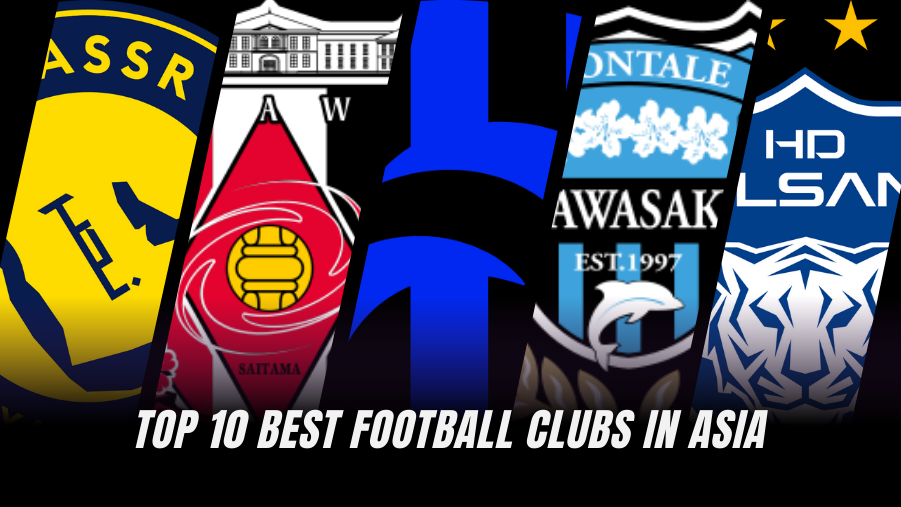
Strong Foundations of Asian Football Excellence in Continental Tournaments
Asian football has grown into a highly competitive scene where clubs from across the continent regularly challenge each other in tournaments like the AFC Champions League. The rise in quality has been steady, with teams investing in better coaching, stronger youth systems, and international talent. Platforms like 123bcity.com often highlight how this growth reflects a broader shift in global football balance, where Asian clubs are no longer underdogs but genuine contenders on the continental stage.
Key factors driving continental success
- Improved club infrastructure and professional management systems
- Increased recruitment of foreign players and experienced coaches
- Strong domestic leagues that raise competition levels year-round
- Tactical evolution influenced by European and South American football styles
Japan, South Korea, Saudi Arabia, and other nations have built clubs that consistently appear in later stages of Asian competitions. Their success is not accidental; it comes from long-term planning, discipline, and investment in football culture at every level.
Japanese Clubs as Models of Discipline and Tactical Precision in Asia
Japanese football teams are widely respected for their organization, technical skill, and consistency in continental competitions. Clubs like Urawa Red Diamonds, Kawasaki Frontale, and Yokohama F. Marinos have all made deep runs in Asian tournaments. Their playing style emphasizes quick passing, positional awareness, and collective discipline rather than relying solely on individual brilliance.
Core strengths of Japanese clubs
- Highly structured youth academies producing technically gifted players
- Strong emphasis on teamwork and tactical discipline
- Consistent domestic league competitiveness in the J1 League
- Ability to adapt to different playing styles in international matches
What makes Japanese clubs particularly successful is their ability to stay consistent over time. Even when they are not the favorites, they often outperform expectations by sticking to a clear system. This long-term stability allows them to remain competitive across multiple AFC campaigns.
South Korean Teams Known for Grit, Speed, and Winning Mentality
South Korean clubs have built a reputation for physical intensity and mental toughness in Asian football. Teams such as Jeonbuk Hyundai Motors, Ulsan Hyundai, and Pohang Steelers have repeatedly proven themselves in continental competitions. Their success is rooted in discipline, fitness, and a relentless approach to matches.
Defining traits of South Korean football clubs
- High work rate and pressing intensity throughout matches
- Strong defensive organization and counterattacking efficiency
- Experience in high-pressure knockout-stage matches
- Players with international exposure and national team experience
Jeonbuk Hyundai Motors, in particular, has been one of the most successful clubs in AFC Champions League history. Their ability to perform in both domestic and continental competitions reflects a system built on consistency and resilience. These traits make South Korean teams dangerous opponents for any club in Asia.
Saudi Arabian Giants Dominating with Star Power and Investment
Saudi Arabian football clubs have become dominant forces in Asian competitions, especially in recent years. Teams like Al Hilal, Al Nassr, and Al Ittihad have combined financial strength with elite talent recruitment. This has raised the overall level of competition in the AFC Champions League and beyond.
Factors behind Saudi club dominance
- Significant investment in world-class international players
- Strong domestic league competitiveness in the Saudi Pro League
- Experienced coaching staff from top global football nations
- Large, passionate fan bases creating intense home atmospheres
Al Hilal, in particular, stands out as one of the most successful clubs in Asia, with multiple continental titles. Their ability to attract top talent while maintaining strong team chemistry has made them a consistent threat in every tournament they enter.
Iranian and Emirati Clubs with Strong Continental Presence
Iranian and United Arab Emirates clubs have also made their mark in Asian competitions. Teams like Persepolis, Esteghlal, Al Ain, and Shabab Al Ahli have shown that consistent performance does not always require the biggest budgets. Instead, tactical discipline and strong local talent development play a key role.
Key strengths of Iranian and UAE clubs
- Strong fan culture that creates intense home advantage
- Tactical organization focused on defensive solidity
- Emerging local talents supported by experienced veterans
- Ability to perform well in high-stakes knockout matches
These clubs often surprise stronger opponents by playing structured and disciplined football. Persepolis, for example, has reached multiple AFC Champions League finals, showing how consistency and determination can rival financial power in Asian football.
Qatari Football Growth and Strategic Continental Ambitions
Qatar has invested heavily in football development, especially in preparation for major international tournaments. Clubs like Al Sadd and Al Duhail have benefited from this national focus on sport. Their performances in continental competitions reflect a blend of domestic talent development and international expertise. In discussions about club strategies, the topic of Quyền Riêng Tư sometimes appears when analyzing how teams manage player data, performance tracking, and internal systems securely.
Elements shaping Qatari club progress
- Strong investment in sports science and player development
- High-profile coaching appointments from Europe and South America
- Integration of academy systems with professional teams
- Focus on tactical flexibility and modern playing styles
Al Sadd, in particular, has been a symbol of Qatari football ambition. With experienced players and structured development programs, these clubs continue to grow their presence in Asian competitions and aim for long-term continental success.
Australian Clubs Competing in Asia with Physicality and Adaptability
Although Australia is geographically separate, its clubs compete in Asian competitions through the AFC framework. Teams like Sydney FC, Melbourne Victory, and Western Sydney Wanderers have all participated in continental tournaments. Their style is often physical, direct, and highly competitive, making them tough opponents in knockout stages.
Characteristics of Australian club football
- Strong physical conditioning and endurance levels
- Direct attacking style with quick transitions
- Experience gained from diverse international competitions
- Growing tactical sophistication through foreign coaching influence
Western Sydney Wanderers made history by winning the AFC Champions League, proving that Australian clubs can compete at the highest level in Asia. Their success highlights the importance of adaptability and mental strength in continental football.
Conclusion: The Most Influential Asian Football Teams That Continue to Define Continental Glory Through Consistency, Strategy, and Evolution
Asian football has reached a level where multiple nations consistently produce strong clubs capable of competing for continental titles. From Japan’s disciplined systems to South Korea’s relentless intensity, from Saudi Arabia’s investment-driven dominance to the tactical resilience of Iranian and Emirati clubs, the continent offers a diverse and highly competitive football landscape. Each region contributes its own identity, shaping a tournament environment that is unpredictable and exciting.
Clubs in Qatar and Australia add further depth, showing that success in Asia is not limited to traditional powerhouses. Their continued development reflects how football in the region is becoming more interconnected, professional, and strategically advanced. Whether through youth development, tactical innovation, or financial investment, these teams continue to push standards higher every season.
Ultimately, the story of Asia’s best football teams is one of growth and adaptation. Continental competitions have become a stage where consistency matters just as much as talent, and where long-term planning often beats short-term success. As the game continues to evolve, these clubs will remain central to shaping the future of Asian football at every level.
