


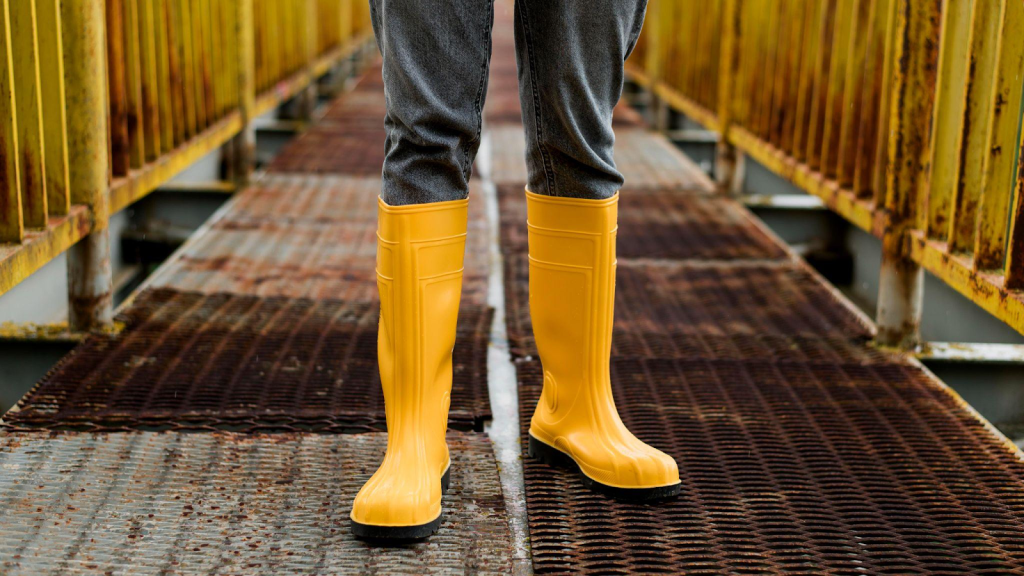
Shoes for safety are an important component of personal protective equipment (PPE) when it comes to the protection of workers working in hazardous settings. Falling objects, sharp edges, slips, and electric hazards are avoided by using the right footwear, thus avoiding severe injuries. In addition to safety, well-designed shoes have been proven to be comfortable, help in long hours, and improve productivity.
When selecting the appropriate safety shoe, it is important to know such properties as reinforced toe caps, slip-resistant soles, protection against punctures, electrical safety, as well as the ability to fit the shoe correctly. The following guide illuminates the factors that are necessary to take into consideration, as well as making sure that your safety shoes are up to the industry standard and the requirements of your working environment.
Why Shoes for Safety Matter
The workplace may be the source of foot injuries due to a number of hazards. Without the proper protective footwear, one can be hurt by falling objects, sharp tools, and exposed nails, and can be hurt by slippery floors, electrical hazards, and heavy equipment. The nature of shoes for safety is designed to handle these risks and to save the feet of the workers on a daily basis.
The right pair is not only protection equipment but also a shield between you and any possible harm that may cost you working hours or even permanent disability. When selecting the appropriate safety footwear, both safety and comfort are to be considered.
Protection Standards and Certifications
There are certain features that should be considered before they are assessed, one of which is that good shoes for safety should meet the standards of safety. EN ISO norms are used in the manufacture of safety footwear in most areas, including protective shoes EN ISO 20345. These standards establish degrees of impact resistance, slip resistance, and electrical protection, and other important safety features.
Certified shoes for safety will give the customer confidence that they have been subjected to strict standards and that they are of the right quality. These certifications and markings are important so that when choosing footwear to ensure that your shoes for safety are in line with your environment.
Reinforced Toe Caps
The reinforced toe cap is one of the characteristics of safety shoes that are well-crafted. This is the reinforcement that guards your toes against impact and compression injuries. Steel-toe caps are cost-effective and strong, and are not as heavy as the others, and they can transmit temperatures.
The composite toe caps are crafted using fiberglass or carbon fiber, and these are stronger yet lighter and non-conductive, which is suitable in areas that have metal sensors or where there is any form of electrical risk. Depending on the hazards that your team deals with on a daily basis, it is important to make the right choice of the toe cap material.
Slip and Trip Resistance
The most frequent reasons for workplace injuries are slips and falls. The surface of the floors in such industries as construction, manufacturing, agriculture, and logistics may be wet or oily, or be covered by some other substances that make slipping more likely.
Several of the quality shoes for safety have an outsole that is particularly designed to give maximum grip on these surfaces. An outsole with slip-resistance will significantly decrease the chance of fall-related incidence. Ensure that the shoes for safety you are wearing have a pattern and material that works well in both wet and dry conditions.
Puncture and Penetration Protection
There are sharp objects such as nails, metal shards, or broken glass in workplaces. The shoes for safety have a protective layer under the sole to ensure that the hazards will not penetrate the sole and harm the foot. This characteristic is very crucial in building industrial setups.
Midsoles are composed of steel or hi-tech textile fibers that provide extra protection without losing excessive weight and comfort. This penetration resistance is typically found in shoes that are meant to fit in higher levels of safety classifications.
Comfort and Ergonomics
Comfort should not be neglected, although protective features are quite important. Employees might be required to work long shifts wearing shoes for safety, and discomfort may result in distraction, pain in the feet, and even chronic health problems. Find shoes for safety that have a cushioned insole, with proper arch support, and that are ergonomic shoes that encourage natural foot movement.
Breathable linings and anti-sweat fabrics can be used to control the temperature of the feet, sweat, and blisters. Good quality shoes for safety can be designed in such a way that they increase the overall productivity of the workers, as they are comfortable even during the working day.
Electrical and Static Protection
The workers in some of the industries are exposed to electrical risks, electric shocks, or work in areas where delicate machines are involved. Antistatic or electrical hazard shoes for safety are used to minimize the possibility of the build-up of electrostatic or accidental shock.
The antistatic shoes release the static electricity safely to the ground, thus protecting the worker and the sensitive machinery. This is especially applicable to the workers who are employed in the production of electronics, power supply, and those who are subjected to the company of flammable materials.
Conclusion
The selection of the correct safety shoes is an essential measure in the safety of workers at work. Put emphasis on reinforced toe design, anti-slip sole, premium puncture-resistant midsole, comfort, and safety. Compare customization characteristics like electrical protection and weatherability according to your industry. Ergonomic design and proper fit can be used to make the body comfortable throughout the day, eliminating fatigue and improving productivity. Shoes for safety are not just picked, but there is also the provision of a safer and more efficient workplace culture.
Delta Plus has been offering personal protective equipment that is a blend of protection, comfort, and design, and that is why Delta Plus has taken decades to focus on the safety of the workers. Delta Plus provides quality equipment and proactive solutions to keep the workplaces safe, compliant, and productive, and to ensure that employees are not at risk of various hazards in the workplace on a daily basis with certified Shoes for safety and slip-resistant soles, as well as complete PPE solutions across the industries.