


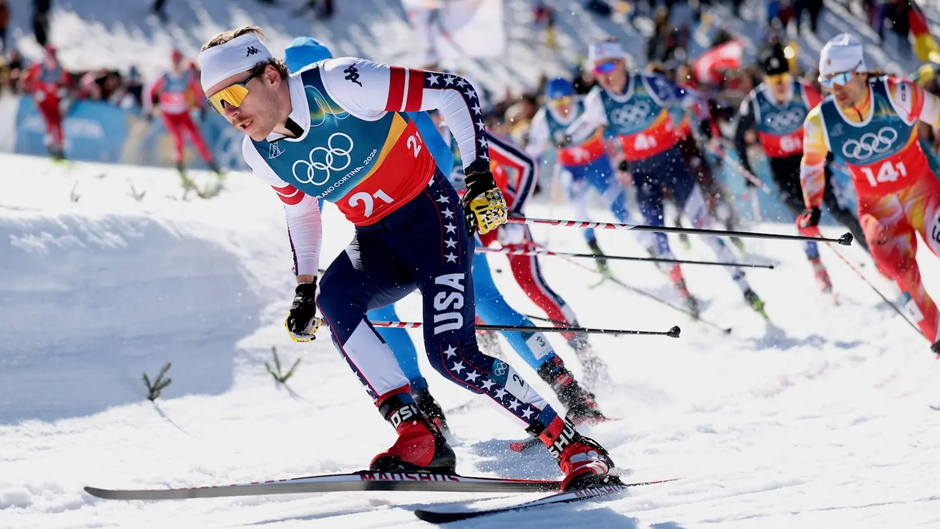
In elite cross-country skiing, where races range from 10 km to 50 km and margins are often under 5–10 seconds, ski preparation can determine up to 30% of performance. Several фавориты lost between 40 and 60 seconds because their skis either slipped on climbs or stuck on flat sections. In races lasting around 35–40 minutes, even a 1–2% loss of glide efficiency translates into decisive time gaps. When wax choice directly affects glide and speed, checking upcoming races through IPL schedule helps navigate available sports events on the platform.
Johannes Høsflot Klæbo adapted to mixed snow conditions and secured sprint gold by maximizing glide in the final 1.5 km, where equipment and technique become decisive. Over a 10 km race, that gap builds to 30–40 seconds, which is the difference between fighting for the podium and finishing outside the top 10. In these conditions, reading the snow becomes as important as physical form. Small setup errors scale quickly over distance. And those who adapt fastest gain a decisive edge. As ski preparation determines performance in changing snow conditions, using schedule IPL allows users to view event timing and match listings in one place.
How ski technicians adapt to constantly changing snow
Waxing teams typically test 5–8 combinations in the 2–3 hours before the race, measuring glide over 100–200 meter segments. In classic races, grip zones must balance traction and speed, and a miscalculation of just 1 layer can reduce uphill efficiency by 10–15%. During World Cup events, teams often recalibrate skis every 20–30 minutes as humidity and snow texture shift. In conditions around 0°C, the wrong wax can cause icing within 5–10 minutes of racing.
The technical factors that directly influence results include:
- Glide speed differences of 1–3% translating into 5–15 seconds over 10 km
- Grip efficiency affecting climb performance by up to 10–20%
- Temperature margins of ±1–2°C changing optimal wax selection
- Snow humidity shifts within 30–60 minutes impacting ski friction
- Testing cycles involving 5–8 ski pairs before final selection
These variables are measured, not guessed. Over distances like 30 km or 50 km, even a 1% efficiency loss accumulates into 60–120 seconds. At the elite level, that margin is the difference between gold and outside the top 20. At the Holmenkollen 50 km 2018, Hans Christer Holund benefited from perfect waxing in shifting snow conditions and finished nearly 1 minute ahead of rivals. Several top athletes lost time in the final 10 km as their skis slowed significantly in wetter snow. Over a race lasting more than 2 hours, late-stage glide becomes critical.
