


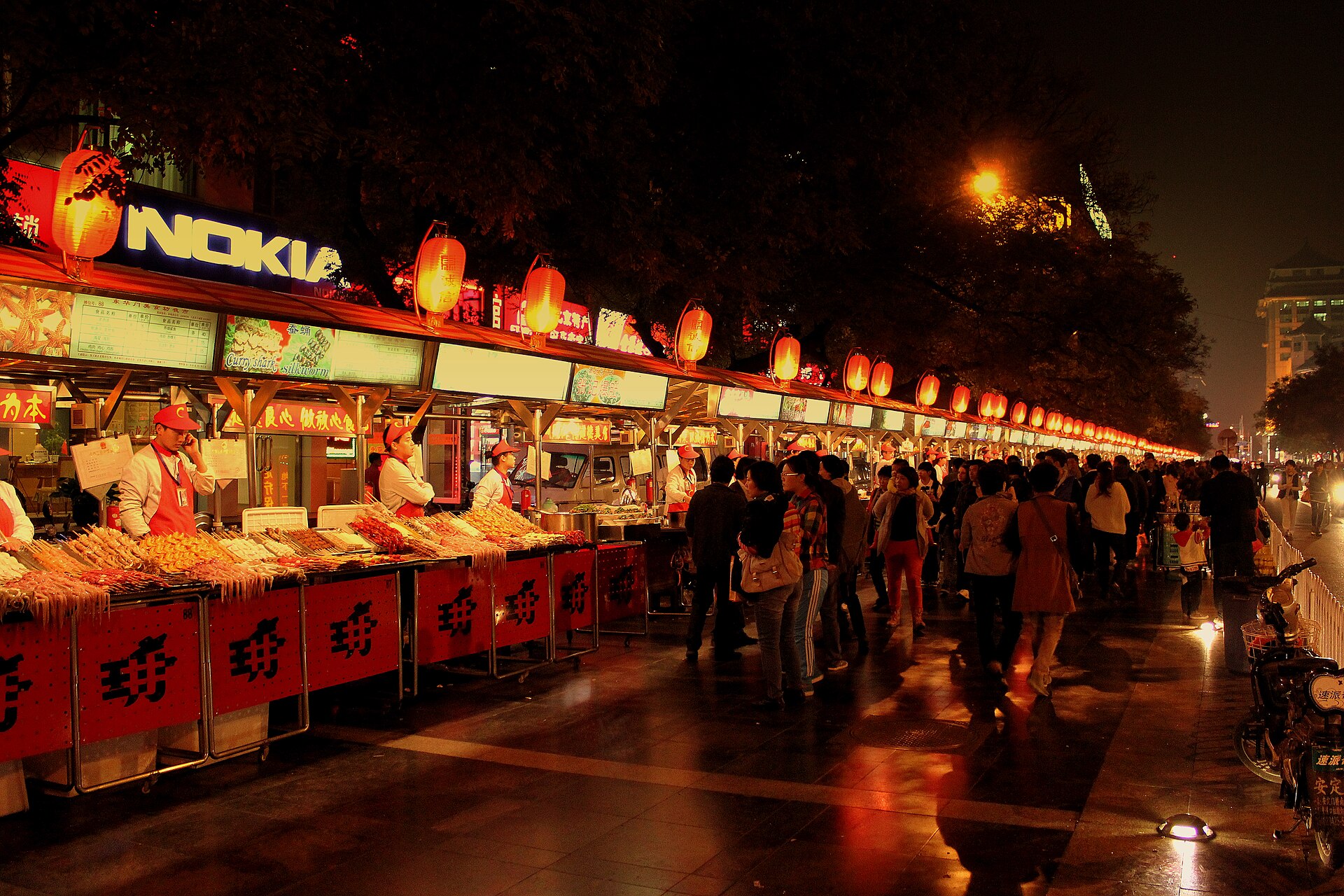
For a growing number of travellers, the itinerary no longer starts with a landmark. It starts with a meal. Culinary tourism, holidays planned primarily around eating and drinking, has grown into one of the strongest forces in global travel, with industry estimates putting its value above 80 billion dollars last year and projecting it to climb far higher over the coming decade.
The shift is easy to spot on the ground. Travellers who once ate wherever was nearest now book restaurant tables before flights, plan trips around food festivals, and choose destinations for a single famous market or a regional dish they cannot get at home.
From Fast Food to Heritage Flavours
The defining change is a turn toward authenticity. Instead of familiar international chains, travellers are hunting down meals rooted in local ingredients and tradition: family-run kitchens, street stalls with decades of history, and recipes handed down through generations. Food writers point to rising global interest in cuisines such as West African cooking, whose jollof rice, egusi soup and plantain dishes are appearing on menus far from home.
Local sourcing is part of the same story. Seasonal produce bought from nearby farms has become a selling point rather than a compromise, and a notable share of adventurous diners say they have deliberately moved away from imported ingredients in favour of whatever grows around them.
Wellness Reaches the Table
The other force reshaping food travel is health. Premium hotels and resorts now design menus explicitly around wellbeing, building dishes around ingredients such as turmeric, ginger, collagen-rich foods and black sesame, and marketing them as part of a longer, healthier life rather than mere indulgence.
Plant-forward menus have spread alongside this trend, particularly among younger travellers who link what they eat to sustainability. Many large hotel groups now run regional vegetarian programmes, meaning the wellness traveller and the food traveller are increasingly the same person, booking the same trip.
Where the Food Travellers Are Heading
Europe remains the biggest single region for culinary tourism, but Asia is setting much of the pace. Singapore, with its hawker centres, food festivals and extraordinary mix of cuisines in a single small city, has positioned itself as the region’s culinary capital and a stopover that food lovers extend on purpose.
Wherever they go, the pattern holds: a great meal is no longer a pleasant accident of travel. For millions of people it is now the plan itself, and destinations that understand that are winning the bookings.
